Best Padel Shoes

The right shoes matter more in padel than most beginners expect. The game is all sharp lateral movement, sudden stops and quick pushes off the back glass — and running shoes or worn sneakers leave you sliding, unstable and at real risk of a rolled ankle. A proper padel (or court) shoe grips the turf, locks your foot in place and protects your joints.

Padel-specific shoes are still relatively limited on Amazon US, so several of our picks are clay-court or all-court tennis shoes that work brilliantly for padel — we flag which is which. Below are the best options for every kind of player, followed by a plain-English guide to choosing the right pair. Not sure whether your tennis shoes will do? See our full breakdown of padel shoes vs tennis shoes.

In a hurry? The Asics Gel-Resolution X Padel is our best all-round padel shoe, while the Asics Gel-Dedicate 8 is the best value for beginners. Want a women’s-specific fit? The Babolat Sensa is our pick. Need a racket too? See our best padel rackets roundup.

Best Padel Racket Bags

A padel racket bag is the tour-style holdall that carries and protects everything — several rackets, shoes, balls and kit — usually with a thermal compartment that shields your paddles from the heat of a car trunk or a cold winter session. It is the bag for committed players, coaches and anyone who travels to tournaments.

Below are the best padel racket bags on Amazon US, followed by what actually matters when you choose one. Want something lighter to wear on your back? See our best padel backpacks guide.

In a hurry? The NOX Luxury Master Series is our best all-round racket bag thanks to its thermal protection, while the Head Tour Padel Bag is the best value for capacity. Prefer a lighter pack to wear on your back? See our best padel backpacks guide.

Padel Rules: The Complete Guide to Scoring, Serving & Wall Play

Padel rules are refreshingly simple — if you have ever watched tennis, you already know most of them. The scoring is identical, and the few things that make padel different (an underhand serve, and the fact that you can play the ball off the glass walls) are exactly what make it so much fun and so easy to pick up. This is the complete, beginner-friendly guide to how padel works, based on the official International Padel Federation (FIP) rules.

The 30-second version: padel is played as doubles, scored exactly like tennis (15–30–40–game), the serve is underhand and diagonal, and the ball stays live off the glass walls. New to it all? See what padel is, the padel court explained, and how to play.

What Is a Padel Court? Size, Dimensions & Layout Explained

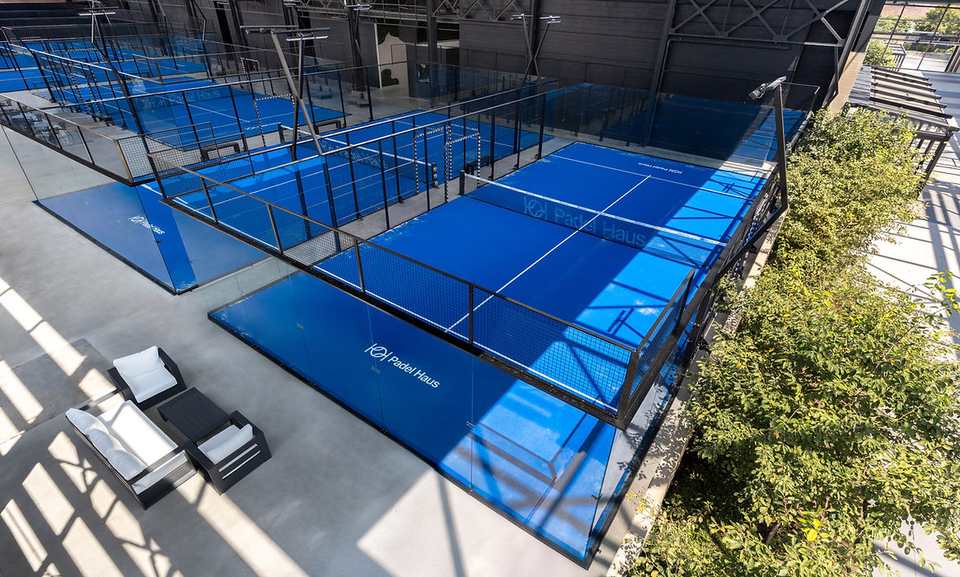
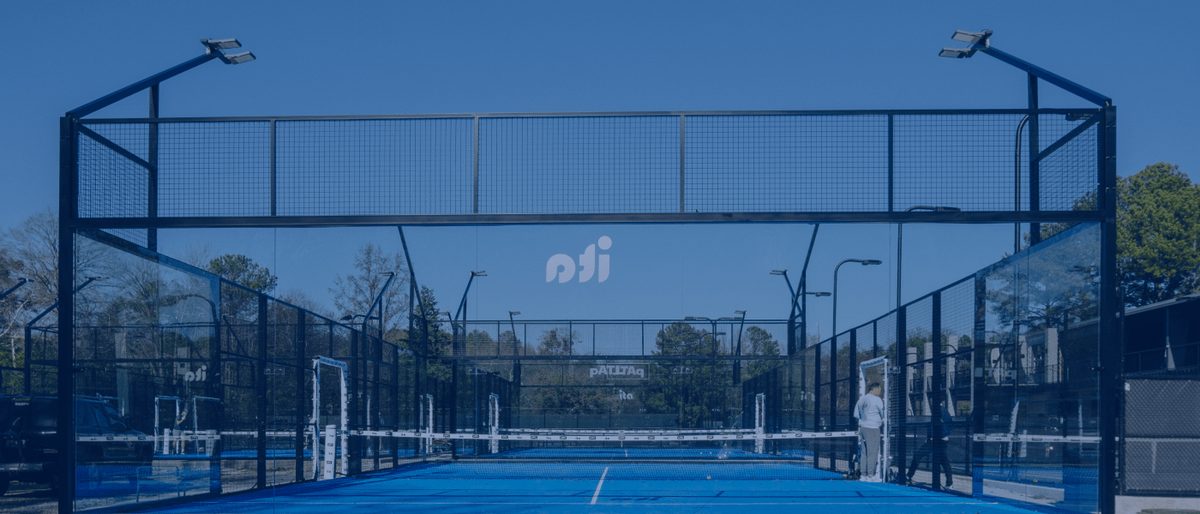
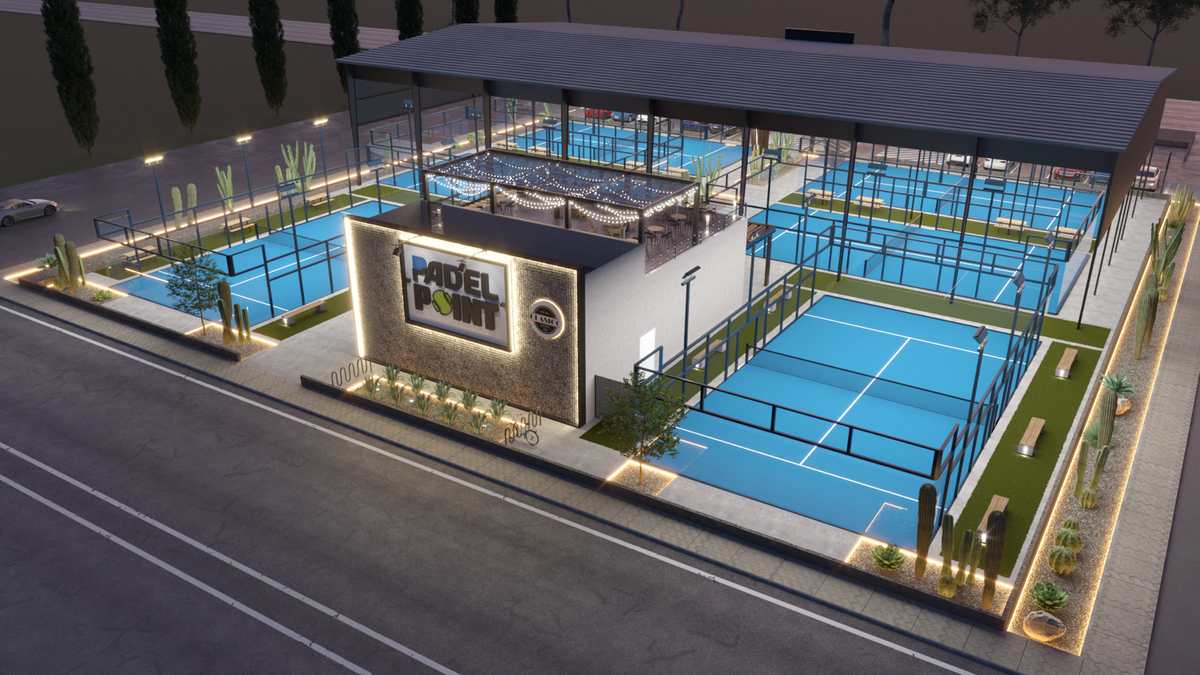
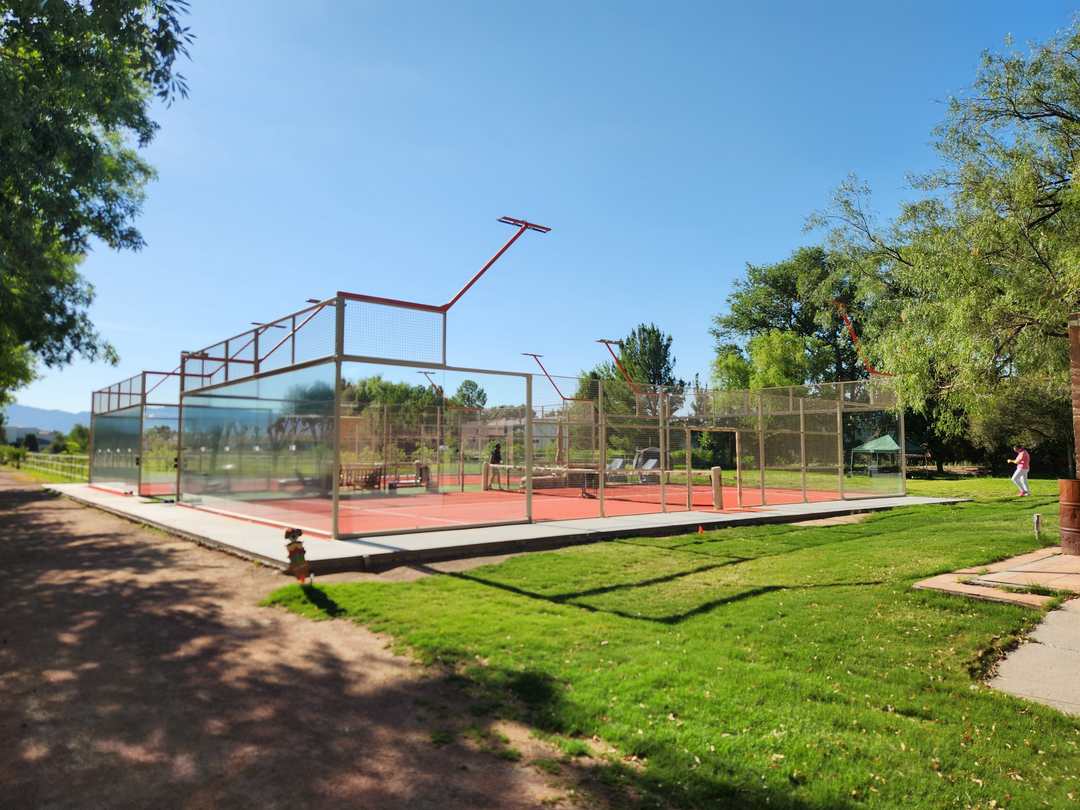
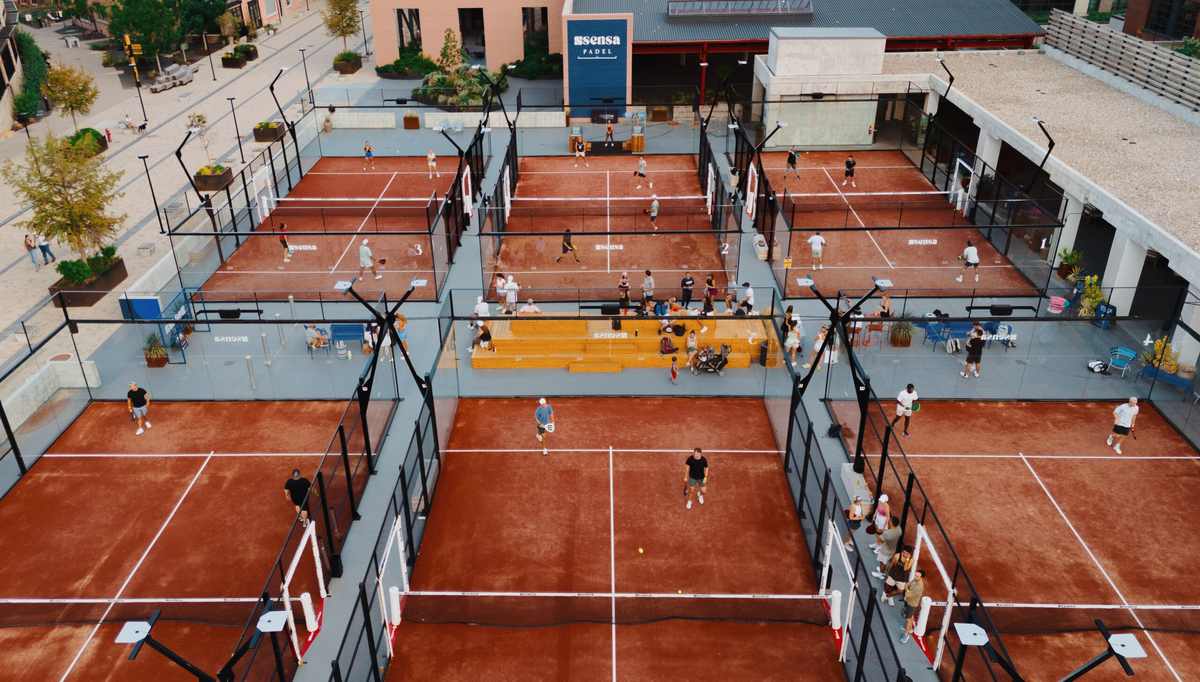
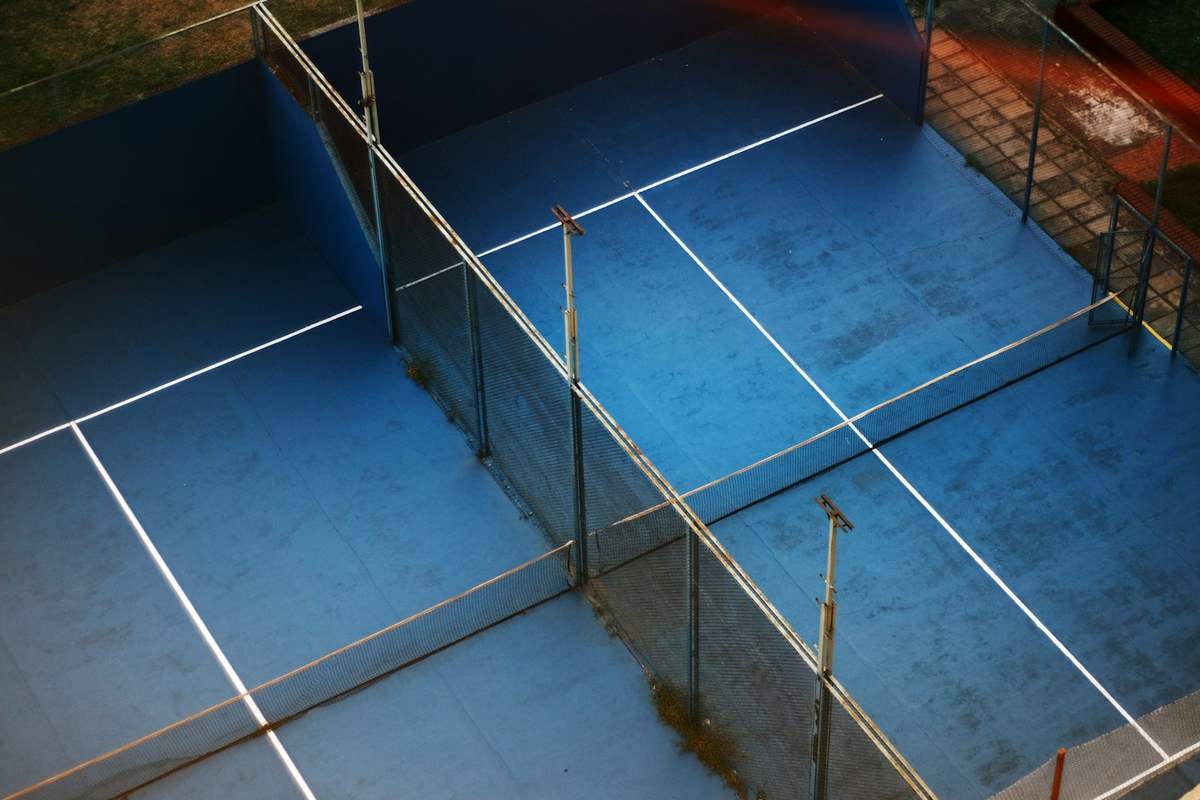
A padel court is the most distinctive thing about the sport — a fully enclosed glass-and-mesh box, exactly 20 metres long by 10 metres wide, where the walls are part of the game rather than just a boundary. If you have only ever watched, the size and layout can be confusing, so here is the complete breakdown: official dimensions in both metres and feet, net and service-line measurements, what the glass and mesh walls do, and how a padel court compares to a tennis or pickleball court.

Every figure below follows the International Padel Federation (FIP) regulations, which set the standard for clubs and tournaments worldwide.

The short version: a padel court is 20 m × 10 m (about 65.6 × 32.8 ft), enclosed by 3–4 m glass and mesh walls, with a net 0.88 m high at the centre. New to the game? Start with what padel is and how to play, then find a court near you in the US.

Best Padel Rackets For Beginners: Top Picks for New Players

We’ve researched and tested padel rackets across the US market, comparing what’s available across major retailers to find the five rackets that consistently deliver for new players. The picks below balance forgiveness, control, and budget — and every one is in stock and ready to ship today, so you can spend less time browsing and more time on court. If you want the cheapest way in, see our best budget padel rackets; if you need balls and a bag too, a padel starter set is the simplest start.


1. Head Zephyr — best overall for beginners

Head Zephyr padel racket
Head Zephyr. Image source: manufacturer.

Why it wins: A light, round racket with a huge forgiving sweet spot — the easiest way to learn good technique, and the best value under $200. (~$120)

  • Round shape — large central sweet spot
  • Lightweight ~360g, easy to swing
  • Even balance builds clean technique
  • Best value beginner racket

The Head Zephyr is the racket we recommend to most new padel players. It’s a round-shape racket with a wide, forgiving sweet spot in the centre of the face — exactly where beginner shots tend to land. The fibreglass + soft EVA construction is lightweight and easy on the elbow, and the price (typically under $200) is much friendlier than the diamond-shape pro rackets that dominate padel marketing.

The Zephyr’s defining feature is its even balance — weight distributed in the middle of the racket rather than the head. That makes it easier to swing, easier to defend at the net, and much harder to mishit. Beginners who start with a head-heavy racket often develop bad technique compensating for the weight; the Zephyr lets you learn the right way.

Trade-off: less raw power than diamond-shape rackets. You won’t smash winners as easily as someone with a Bullpadel Hack or an Adidas Metalbone. But for the first 6–12 months of your padel journey, that’s a feature, not a bug — controlled, accurate shots beat powerful but wild ones every time at beginner level.

Pros of the Head Zephyr

  • Wide, forgiving sweet spot
  • Lightweight (~360g) — easy to swing
  • Even balance helps build good technique
  • Under $200 — best value beginner racket

Cons of the Head Zephyr

  • Less power than diamond-shape rackets
  • You’ll outgrow it in 12–18 months as you improve
  • Plain styling vs flashier pro racket designs

→ Read our full Head Zephyr review


2. Babolat Contact — easiest racket to learn with

Babolat Contact padel racket
Babolat Contact. Image source: manufacturer.

Why it wins: A round, control-first racket with a soft, arm-friendly feel — ideal for beginners who win with placement, not power. (~$110)

  • Round shape — maximum control
  • Soft, comfortable feel
  • Forgiving for its price
  • Great for steady, tactical play

Babolat literally markets the Contact as the “Easy-to-Play Padel Racket” — and they’re not exaggerating. It’s a round-shape, low-density EVA core racket designed specifically for first-time players and casuals. If you’ve never held a padel racket before, this is the most forgiving option on the market.

The Contact’s construction prioritises comfort and forgiveness over raw performance. Fibreglass face, soft foam interior, droplet shape — the whole design is engineered around the idea that beginners will mishit a lot of balls. The 38mm thickness and slight droplet shape pushes the sweet spot up just slightly, which helps when you start learning offensive shots like the smash.

The Contact is a strong choice if you’re worried about elbow comfort. The soft materials absorb shock significantly better than carbon-faced rackets, which matters especially for players coming from tennis who already deal with elbow strain. Comfortable to play with for hours, which is exactly what new players need while they’re building stamina and technique.

Pros of the Babolat Contact

  • Marketed for absolute beginners — forgiving by design
  • Soft materials = comfortable for the elbow
  • Droplet shape with high sweet spot — easier smashes
  • Affordable for a brand-name racket

Cons of the Babolat Contact

  • Less durable than carbon-faced rackets
  • Limited control on advanced shots
  • You’ll likely upgrade within 6–12 months

→ Read our full Babolat Contact review


3. Wilson Carbon Force Team — best for advancing beginners

Wilson Carbon Force Team padel racket
Wilson Carbon Force Team. Image source: manufacturer.

Why it wins: A durable, versatile all-rounder from a trusted brand at an entry price — a great, hard-wearing first racket. (~$90)

  • Round/hybrid — forgiving
  • Durable Wilson build
  • Versatile for casual play
  • Lowest price on this list

If you’ve played a few sessions and want to step up from a pure beginner racket, the Wilson Carbon Force Team is the natural progression. It uses a teardrop shape — somewhere between the forgiving round and the powerful diamond — that gives you a wider sweet spot than diamond rackets but more attacking potential than pure round rackets.

The carbon fibre face is more durable than fibreglass and produces a crisper ball response. The soft EVA core keeps the racket comfortable on off-centre hits. Wilson’s design philosophy here is “blend of power and control” — which translates to “racket you can grow into” for an advancing beginner. You can keep this racket through intermediate play and only need to upgrade when you’re playing seriously.

The Carbon Force Team is slightly more demanding than the Head Zephyr or Babolat Contact. Off-centre hits feel sharper. The trade-off is real performance — you can actually smash with this racket, you have spin and bite on cut shots, and the build quality holds up to years of regular play.

Pros of the Wilson Carbon Force Team

  • Teardrop shape — bridges beginner and intermediate
  • Carbon fibre face — durable and responsive
  • You won’t outgrow it for 12–24 months
  • Wilson build quality — premium feel for the price

Cons of the Wilson Carbon Force Team

  • Less forgiving than pure round rackets
  • Slightly more expensive than entry-level options
  • Beginners with poor technique may not see its benefits

→ Read our full Wilson Carbon Force review


4. Adidas Adipower CTRL Team — best round-shape control racket

Adidas Adipower CTRL Team padel racket
Adidas Adipower CTRL Team. Image source: manufacturer.

Why it wins: A round, control-oriented Adidas racket with a soft feel — a forgiving, brand-name option for control-first beginners. (~$130)

  • Round shape — control-focused
  • Soft, comfortable response
  • Trusted Adidas build
  • Good step-up round racket

The Adidas Adipower CTRL Team is a round-shape racket built for control-first players. Adidas positions it as a starter version of the Alex Ruiz signature Adipower CTRL line — same shape and philosophy, lower price. It’s the racket to pick if you want to lock in the control side of your game from day one.

The round shape gives you a centre-of-face sweet spot, which is exactly what beginners need — most missed shots happen because the ball is off-centre, and a round racket makes “centre” the largest possible area. The Adipower CTRL Team uses EVA Soft Performance rubber for a forgiving feel and fibre glass for affordability. At ~360g it sits in the lightweight beginner range.

If you imagine a future where you play padel three times a week and want to develop into a controlled, tactical player rather than a wild smasher, the Adipower CTRL Team is the right starting place. The control DNA carries through the entire Adipower CTRL line, so when you eventually upgrade to the Multiweight or Pro versions, the racket feel will be familiar.

Pros of the Adidas Adipower CTRL Team

  • Round shape — maximum forgiveness
  • Control-first design — builds the right habits
  • Brand pedigree — same family as Alex Ruiz’s signature line
  • Lightweight at ~360g — easy to swing for new players

Cons of the Adidas Adipower CTRL Team

  • Limited power for offensive players
  • Less attacking potential than teardrop or diamond shapes
  • Stock can be inconsistent on Amazon US

Also worth considering (full reviews): the Head Vibe, Adidas Match 3.4, Wilson Optix V1 and Babolat Counter Origin — all forgiving, budget-friendly beginner rackets.


5. Adidas Drive — best budget all-rounder for new players

Adidas Drive padel racket
Adidas Drive. Image source: manufacturer.

Why it wins: A forgiving beginner all-rounder — round shape, soft EVA core and a wide sweet spot make it easy to control and confidence-boosting, at a low price. (~$90)

  • Round shape — wide, forgiving sweet spot
  • Fibreglass face for comfort
  • Soft Performance EVA core
  • ~360–375g, even balance — stable

→ Read our full Adidas Drive review


Factors to consider when choosing the best beginner Padel rackets

Before buying your next padel racket, there are some factors you need to consider. We’ll go through them below to help you make your next purchase an easy one!

Skill level

First, you must identify your skill level (e.g., beginner, intermediate, advanced, expert).

It will determine the right racket with the appropriate shape, balance, textured surface, weight, and technology to give you the control, power, grip, and spin you need and can handle.

Control + Grip size

Second, check the grip size and assess if it’s comfortable enough to hit that padel smash or more advanced shots. To get it right, here are some tips:

  • Choose padel rackets that are AT MOST 38 millimeters thick
  • A thinner grip means more effort to squeeze and secure the racket, make sure to play with the correct grip size as it’s crucial
  • The more comfortable your grip is, the more control you get from high-balance, medium-balance, or low-balance padel rackets

Speed

Aside from the grip, always be wary of the speed the padel rackets can provide after a soft hit or hard hit. Here is the general rule of thumb to remember:

  • Hard-surfaced padel rackets provide a firm place for the ball to bounce at a higher speed during fast and strong ball exchanges, making it preferable for advanced and expert players
  • Soft-surfaced Padel rackets provide slower speeds with hard-hitting power shots, which makes them suitable for beginners

Balance + Sweet spot

The fourth factor to consider is finding the perfect balance and sweet spots, which dictate how much control and ball output you can have. To clarify:

Different shapes of padel rackets and their respective balance and sweet spot.
Image showing the different shapes of padel rackets and their respective balance and sweet spot.
  • Padel rackets with high balance have small sweet spots, which makes them difficult to control for beginners (e.g., diamond balance)
  • Padel rackets with medium balance have medium sweet spots, which makes them manageable for most (e.g., head flash or teardrop balance)
  • Padel rackets with low balance have bigger sweet spots, which makes them easier to control for beginners (e.g., round balance)

Weight

Make sure to look at the weight aspect as well. On the one hand, heavier weight produces extra strength in every swing but makes it challenging to carry.

On the other hand, a light-weight padel racket is be best for beginners because it’s easy to swing and control.

Materials Used

You must also analyze the materials used, which can say so much about the quality and durability of your Padel racket. Here are some details:

  • An EVA soft rubber core Padel racket can give high memory, density, and power to advanced rackets
  • A fiberglass surface makes up a flexible and soft racket
  • A carbon fiber surface makes up a stiff, controllable, and light racket

Price

Of course, to determine the best price for the padel rackets, consider if their technology (e.g., spin blade technology), balance, power, and composition justify the expensive racket price.


Conclusion

In conclusion, our top five beginner-friendly padel rackets have been carefully selected to provide newcomers with the best possible start in this exhilarating sport.

Each racket offers unique features tailored to help beginners develop their skills and enjoy a comfortable, rewarding experience on the court.

When choosing your beginner’s racket, remember to consider factors such as control, grip size, balance, weight, materials used, and price to ensure the perfect match for your needs.

With options like the Wilson Carbon Force Team as the best overall pick, the Babolat Contact for the best value, and the budget-friendly Nox X-One Evo, there’s a perfect racket for every aspiring padel player.

So go ahead, take into account these essential factors, select the ideal racket from our list, and get on with your padel journey!


Frequently Asked Questions – Best Padel Rackets for Beginners

How much does a padel racket for beginners cost?

A Padel racket for beginners can cost $50 to $225, depending on the shape (e.g., round format, teardrop shape), materials (e.g., fiberglass, carbon), and brand.

What is the difference between padel 3k and 18k in padel rackets?

The difference lies in the thread count, which defines the softness or hardness of the padel racket. On the one hand, 3000 (3k) threads are softer than 18k. On the other hand, 18,000 (18k) threads have a hard surface that produces more power.

What features should I look for in a beginner’s padel racket?

As a beginner, it’s essential to look for a racket that offers control, balance, and maneuverability. Opt for a racket with a round shape, low balance, and a large sweet spot to make it easier to handle and control. Additionally, consider the weight and materials used.

How important is the weight of a padel racket for beginners?

The weight of a padel racket plays a crucial role in determining how comfortable and easy it is to handle, especially for beginners. Lighter rackets are generally more accessible to control and swing, making them ideal for those new to the sport. However, it’s essential to find a balance between weight and power, as heavier rackets can provide extra strength in your swings.

What materials should I consider for my beginner’s padel racket?

Analyzing the materials used in a padel racket can give you an idea of its quality and durability. For beginners, EVA soft rubber cores can offer high memory, density, and power. A fiberglass surface creates a flexible and soft racket, while carbon fiber surfaces provide stiffness, control, and lightweight characteristics. Consider these materials when choosing your first padel racket to ensure a suitable balance of control, power, and durability.


Best Drop Shot Padel Rackets

Drop Shot is one of padel’s original specialist brands, and its Canyon and Explorer lines have built a loyal following among players who want a distinctive feel. Pablo Lima and Lucas Campagnolo headline the range, but Drop Shot also makes some of the most comfortable, forgiving frames around for players still finding their game.

The Canyon Pro Attack and Canyon Pro Control are among the most-searched Drop Shot rackets, so below we break the current line-up down by what each racket is actually best for — power, control, comfort and spin — and point you to the closest in-stock model for each.

In a hurry? The Drop Shot Explorer Pro Control is our pick for control players, while the Canyon Pro Comfort is the easiest place for a beginner to start. For power, Pablo Lima’s Canyon Pro 2.0 leads the range. Not set on Drop Shot? See our full best padel rackets roundup across every brand.

Padel Clothes: What to wear on the Padel court

Skills and technique are indeed what makes padel interesting. They are the best weapons every padel player brings.

But did you know that padel clothing in tournaments also matters?

Not only does it boost your confidence and self-esteem. It also helps you feel comfortable and ready for the tournament.

Clothing is meant to help players move easily and quickly. Hence, in choosing your attire, it’s vital to select garments that are appropriate for padel. 

If you’re clueless about what suitable clothing you must add to your shopping list, worry not! 

We’ll recommend GREAT options that will surely make you feel comfortable to ace the best performance.

The 6 Best Padel Racket Brands for Amateur Players

Amateur padel players don’t need to pay $400 for a pro-tour signature racket. What they need is a racket from a brand that engineers specifically for amateur play — one that builds in forgiveness, comfort, and durability without compromising on the materials that make padel rackets actually work.

Six brands consistently deliver the best amateur padel rackets in the US market. We’ve researched their amateur-friendly offerings across major retailers — and picked the racket each brand makes that best fits a club-level amateur game.

What is the Best Grip for a Padel Racket?

There are many accessories for padel rackets — including grips. The handles on padel rackets already come with a grip; “the undergrip”.

However, you can add an overgrip or undergrip to make them more comfortable, which can help improve your padel play!

  • Overgrips go over the existing padel grip and help the racket fit more comfortably into your hand. Overgrips are more common to change, so it’s important that you understand what a padel overgrip is and when you should change it, and how it can help your skill.
  • Meanwhile, undergrips go under the existing padel grip and absorb vibrations.

Alongside these, it’s vital to know how to change your padel grip as well.

But in this article, we’ll talk about what the best grip for your padel racket is!

X-Grip Padel vs. Hesacore: Which Is Better?

Great grips changes the entire padel game. You may not think much of it, but the wrong grip will throw you off guard, decrease power, and make you prone to error.

Whether you are an amateur or professional, using a grip is an added help for a better game. The most known ones are X-Grip and Hesacore grip. The question is, which one should you use?