
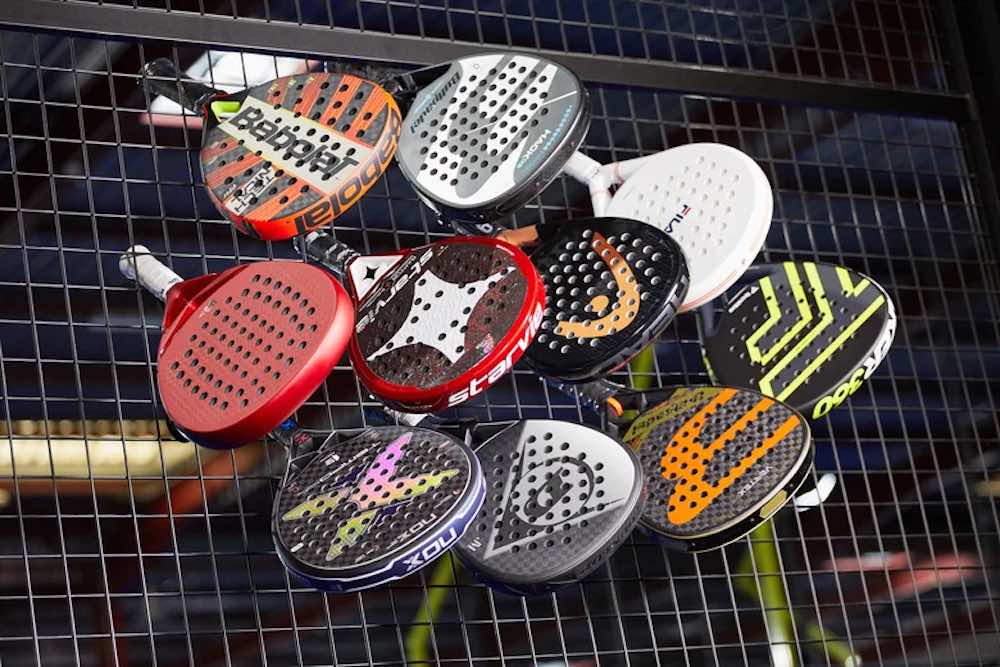
The best padel racket for most players is the Babolat Air Veron, a teardrop-shape racket that balances power and control and suits everyone from improving players to advanced ones. But the right racket depends on your level, your style, and whether your arm can handle a stiff, powerful frame, so we have picked a best-in-class option for every kind of player.
We chose these six rackets across the categories that actually matter, overall, beginner, control, power, comfort for sore arms, and budget, using current 2025 and 2026 models with their head shape, weight, and balance in mind. Below each pick you will find who it is for and why, followed by a full buying guide and a side-by-side comparison.
The 6 Best Padel Rackets at a Glance
- Best Overall: Babolat Air Veron
- Best for Beginners: Head Zephyr
- Best for Control: Babolat Contact
- Best for Power: Adidas Metalbone HRD 3.4 (Ale Galán, 2025)
- Best for Tennis Elbow: Wilson Blade LS V4
- Best Budget: Wilson Carbon Force Team
Below we break down each pick, then explain exactly how to choose the right racket for your level and style. New to padel gear? Start with our explainer on padel racket types & shapes.
1. Best Overall: Babolat Air Veron
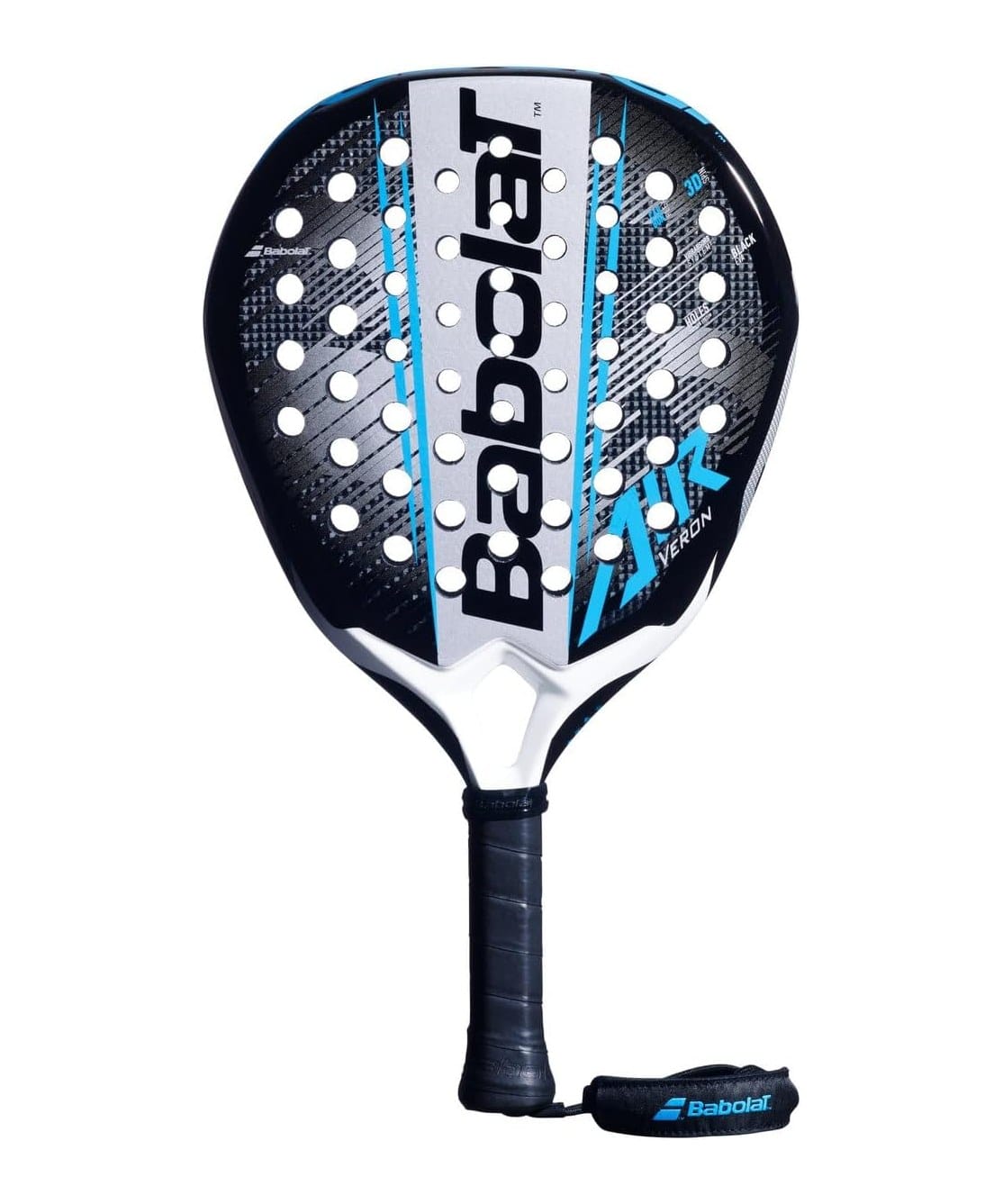
Why it wins: Babolat’s do-everything teardrop: a CarbonFlex face and an even balance at about 355 g make it fast, versatile and comfortable, with attacking bite when you want it. (~$182)
- Teardrop shape, power and control balanced
- CarbonFlex face (carbon and fibreglass)
- About 355 g with an even balance, quick through the air
- Versatile all-court racket for intermediate to advanced players
The Air Veron is the racket we would hand most players who have moved past their first season. The teardrop head splits the difference between a forgiving round racket and an aggressive diamond, so you get real put-away power without a punishingly small sweet spot. That versatility is exactly why it tops this list.
Babolat’s CarbonFlex face blends carbon and fibreglass, so the strike stays comfortable, and the even balance keeps it quick at the net. It is less explosive than a diamond and less soft than Babolat’s Vertuo line, which is the trade for being this versatile. If you only buy one racket and want it to grow with your game, this is the safe, do-everything choice.
→ Read our full Babolat Air Veron review
2. Best for Beginners: Head Zephyr
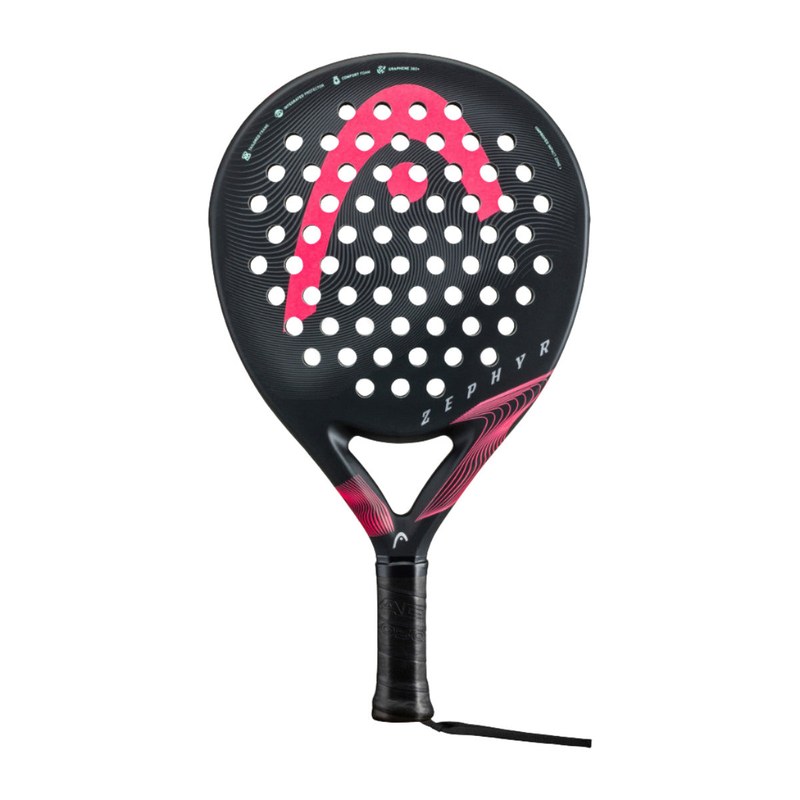
Why it wins: Light, round, and supremely forgiving — the easiest racket to learn good technique on, and the best value under $200. (~$120)
- Round shape — huge central sweet spot
- Lightweight ~360g, easy to swing
- Even balance builds clean technique
- Best value beginner racket
If you are new to padel, start here. The Zephyr’s round head puts the sweet spot dead-centre where beginners actually make contact, so mishits still go where you want them. The light, even balance makes it easy to maneuver while you learn the volleys and the wall game.
You will likely outgrow it in 12 to 18 months as your game sharpens, but for the price it is the best on-ramp into the sport. See our full best padel rackets for beginners guide for more options.
→ Read our full Head Zephyr review
3. Best for Control: Babolat Contact
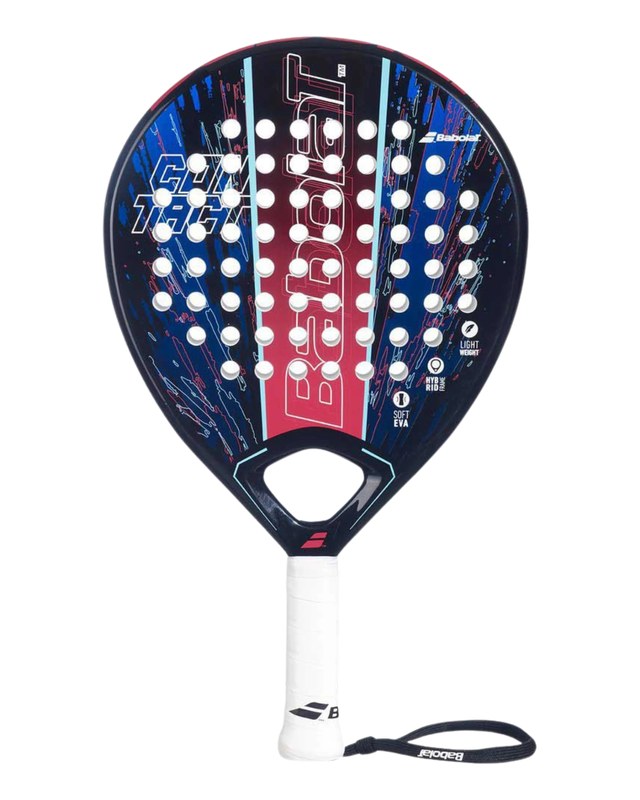
Why it wins: A round, control-first racket for players who win with placement and consistency rather than raw power. (~$90)
- Round shape — maximum control
- Soft feel, comfortable on the arm
- Forgiving for its price
- Great for defensive, patient players
The Contact is built for the player who would rather place the ball than blast it. The round head and soft core deliver predictable, controllable shots and a comfortable feel that is easy on the elbow, which makes it a favourite for steady, tactical doubles play.
It is also one of the better-value control rackets on the market, a sensible pick for an improving player who is not ready for an aggressive diamond shape.
→ Read our full Babolat Contact review
4. Best for Power: Adidas Metalbone HRD 3.4 (Ale Galán, 2025)
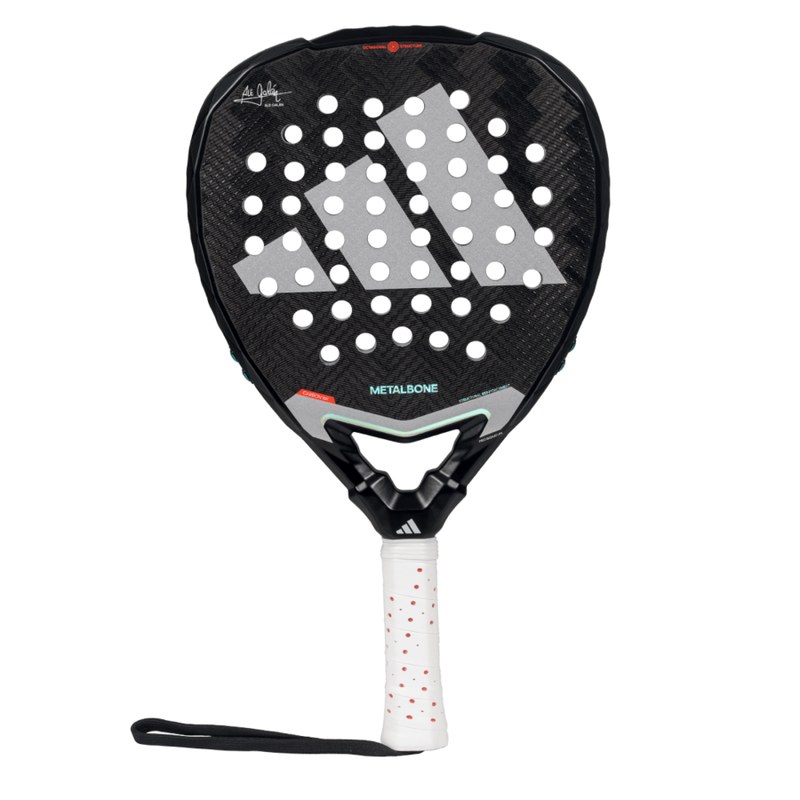
Why it wins: Ale Galán’s diamond-shape weapon — explosive power and bite for advanced players who finish points at the net. (~$263)
- Diamond shape — top-end power
- Rough surface for extra spin
- Carbon build, high balance point
- Adidas’ flagship pro racket
The Metalbone is a pro-level diamond racket built to end points. The high balance and stiff carbon faces deliver serious power on the smash, and the textured surface grips the ball for heavy spin. This is the racket Ale Galán actually competes with.
It is unforgiving, the sweet spot sits high and small, so it rewards good technique and punishes mishits. Only pick it if you are an advanced player; everyone else will get more out of a hybrid or round shape. See our advanced rackets guide for the full power lineup.
5. Best for Tennis Elbow: Wilson Blade LS V4
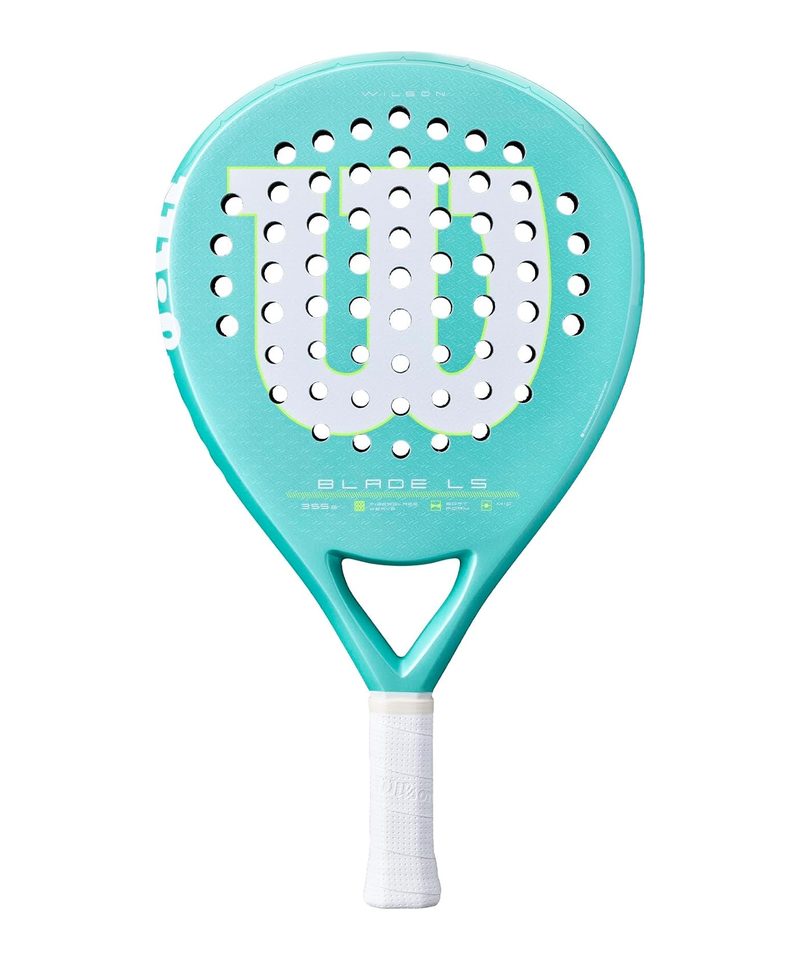
Why it wins: A light, soft teardrop with a fiberglass face and Soft ECO foam, made to be easy on the arm while keeping some pop. (~$219)
- Soft fiberglass face and Soft ECO foam core
- About 355 g with a low 260 mm balance, easy to swing
- Teardrop shape keeps a usable sweet spot and some power
- Aimed at intermediates who want comfort
If padel is aggravating your elbow, racket choice matters a great deal. The Blade LS V4 pairs a soft fiberglass face with Soft ECO foam and a low balance, so it feels light in the hand and sends less harshness up the arm than a stiff carbon power racket. Wilson aims it at intermediate players who want an easy, comfortable swing.
This is based on Wilson’s spec sheet rather than our own court time, and no racket can promise to fix arm pain, but on paper it gives up some power for comfort, which is the right trade when an arm is sore. For the full list of arm-friendly options, see our best padel racket for tennis elbow guide.
→ Read our full Wilson Blade LS V4 review
6. Best Budget: Wilson Carbon Force Team
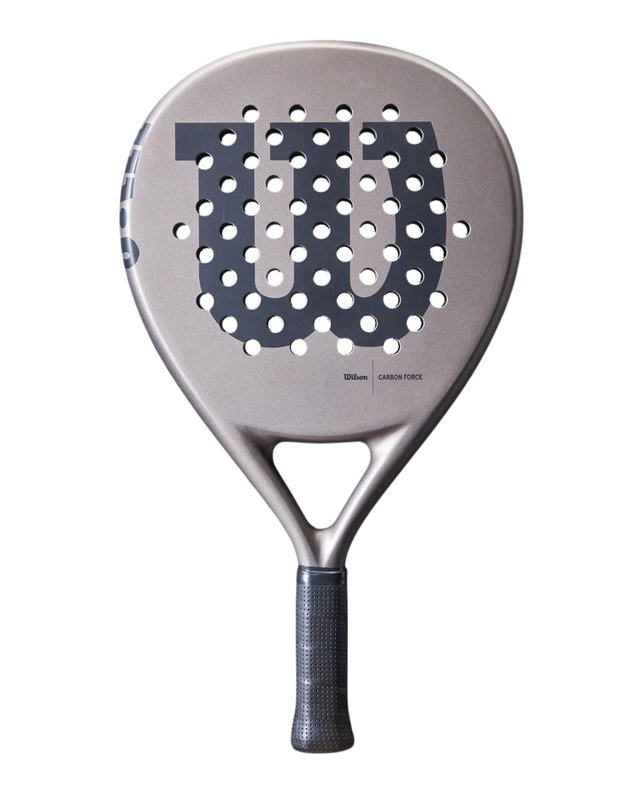
Why it wins: A durable, versatile all-rounder from a trusted brand at an entry price — the best racket you can buy on a tight budget. (~$110)
- Round-to-hybrid, forgiving
- Durable Wilson build
- Versatile for casual play
- Entry price from a major brand
You do not need to spend $300 to get a good padel racket. The Carbon Force Team is a forgiving, durable all-rounder that handles everything a casual or improving player throws at it, at a price that makes it an easy first purchase or a knockaround spare.
It will not match a pro racket for power or feel, but for the money it is hard to beat, and Wilson’s build quality means it lasts.
→ Read our full Wilson Carbon Force review
How to Choose a Padel Racket
Three things decide how a racket plays: its head shape, its weight, and its balance. Get these right for your level and you will enjoy the game far more.
Head Shape: The Most Important Choice
The shape sets the trade-off between control and power by moving the sweet spot up or down the face:
| Shape | Sweet spot | Power vs control | Best for |
|---|---|---|---|
| Round | Centre (large) | Control | Beginners, control players |
| Teardrop | Mid (medium) | Balanced | Improving / intermediate |
| Diamond | High (small) | Power | Advanced, aggressive players |
If you are unsure, go rounder than you think. A forgiving sweet spot helps far more than a few extra watts of power you cannot yet aim.
Weight and Balance
Most padel rackets weigh 360 to 385g. Lighter rackets (around 360g) are easier to maneuver and gentler on the arm; heavier ones add power but tire you out and can aggravate the elbow. Balance matters just as much: a head-light racket is quick and controllable, while a head-heavy one hits harder but is slower to swing. Beginners and anyone with arm trouble should favour lighter, head-light, round rackets.
Match the Racket to Your Level
- Beginner — light, round, even balance. See our beginner rackets guide.
- Intermediate — teardrop or hybrid for balance. See our intermediate rackets guide.
- Advanced — diamond for power, if your technique can handle it. See our advanced rackets guide.
- Sore arm? Prioritise a soft, light frame. See best rackets for tennis elbow.
Padel Racket Comparison
| Racket | Best for | Shape | ~Price |
|---|---|---|---|
| Babolat Air Veron | Overall | Teardrop | $182 |
| Head Zephyr | Beginners | Round | $120 |
| Babolat Contact | Control | Round | $90 |
| Adidas Metalbone HRD 3.4 | Power | Diamond | $263 |
| Wilson Blade LS V4 | Tennis elbow | Teardrop (light) | $219 |
| Wilson Carbon Force Team | Budget | Round/Hybrid | $110 |
More Padel Rackets We Have Reviewed, by Level
The six picks above are where most players should start. We have also reviewed more than 130 rackets, and these are the ones to look at next if a pick is out of stock, over budget or not quite your style. Every link goes to a spec-based review with pros, cons, who it suits and alternatives. For full rankings by level, see our best rackets for beginners, intermediate players and advanced players, plus the budget and tennis elbow guides.
Beginner and budget
- Head Coello Vibe: an oversized beginner teardrop with a Power Foam core (~$100)
- Bullpadel Indiga W: a light, soft round racket with a low balance (~$110)
- Wilson Optix V2 Lite: a light, round, forgiving beginner racket (~$139)
- Babolat Alkes: a very light 335 g round racket (~$99)
Intermediate
- Bullpadel Ionic Control: a forgiving round control racket with a low balance (~$199)
- Bullpadel Ionic Light: a light, versatile hybrid (~$149)
- NOX Equation Hard: a round, carbon-framed control racket (~$175)
- Head Gravity Motion: a soft, round control racket with a fiberglass face (~$200)
Advanced
- Bullpadel Vertex 05: Juan Tello’s all-round diamond with a large sweet spot for a diamond (~$300)
- Bullpadel Hack 04: Paquito Navarro’s power diamond (~$250)
- Head Extreme Motion: a 360 g high-balance diamond, lighter than the Extreme Pro (~$255)
- Head Coello Pro: Arturo Coello’s 370 g high-balance power diamond (~$375)
Looking for a Specific Brand?
Loyal to a brand or want to compare a full range? We have dedicated guides to the best rackets from each major manufacturer: Adidas, Babolat, Bullpadel, Drop Shot, Dunlop, Head, Joma, Nox, Siux, StarVie, Tecnifibre, Varlion, and Wilson. New to the sport entirely? Start with what is padel and how to play padel.
Frequently Asked Questions About Padel Rackets
For most players it is the Babolat Air Veron, a teardrop-shape racket that balances power and control and works for improving and advanced players alike. Beginners are better served by a round racket like the Head Zephyr, and players with arm pain by a soft, light frame like the Wilson Blade LS V4.
A light, round racket with an even balance and a large central sweet spot, like the Head Zephyr. Round rackets are the most forgiving and the easiest to learn good technique on. Avoid diamond-shape power rackets until your technique is solid.
The shape moves the sweet spot. Round rackets have a large central sweet spot and favour control (best for beginners). Diamond rackets have a small, high sweet spot and favour power (best for advanced players). Teardrop and hybrid shapes sit in between.
You can get a good beginner racket for $90 to $150. Intermediate players typically spend $150 to $250, and pro-level rackets run $250 to $350+. Spending more buys better materials and feel, but a beginner gains nothing from an advanced power racket.
A light, soft racket with a low balance, such as the Wilson Blade LS V4. Heavy, stiff diamond rackets transmit the most shock to the arm. Pairing a soft racket with a slightly thicker overgrip and softer balls also helps.
Most weigh 360 to 385g. Lighter rackets (around 360g) are easier to swing and kinder to the arm, which suits beginners and anyone with elbow issues. Heavier, head-heavy rackets add power but are more tiring and harder to control.
Once you have your racket, round out your kit with the best padel balls and the best padel shoes and a padel bag, then find a court in our guide to padel in the US. New to padel or on a budget? See our best budget padel rackets and complete padel starter sets.

Lucas Sánchez is the founder of SimplePadel. Born and raised in Spain, Lucas has been living in the US and UK for the last 20 years and currently calls Miami his home. While he’s never played professionally, the dream is still alive.
Lucas loves nothing more than playing (and talking) about padel, and he considers himself lucky to have a wife and family that share his love for the game.