Padel Rules: The Complete Guide to Scoring, Serving & Wall Play

Padel rules are refreshingly simple — if you have ever watched tennis, you already know most of them. The scoring is identical, and the few things that make padel different (an underhand serve, and the fact that you can play the ball off the glass walls) are exactly what make it so much fun and so easy to pick up. This is the complete, beginner-friendly guide to how padel works, based on the official International Padel Federation (FIP) rules.

The 30-second version: padel is played as doubles, scored exactly like tennis (15–30–40–game), the serve is underhand and diagonal, and the ball stays live off the glass walls. New to it all? See what padel is, the padel court explained, and how to play.

Golden Point in Padel: The Sudden-Death Rule Explained

Traditional padel scoring, like tennis, can drag a deuce game out for minutes – repeatedly going from 40-40 to advantage and back. In 2020, the World Padel Tour introduced a rule that put an end to that: the gold point. One point at 40-40 decides the game. No advantage, no repeat deuces, just sudden death.

The gold point (punto de oro, also called the golden point) is a sudden-death scoring rule in padel. When the score reaches 40-40 (deuce), there is no advantage play. The next point wins the game. The receiving team chooses which side of the court to receive on, and whoever wins that single point takes the game. The rule was introduced by the World Padel Tour in 2020, adopted by the International Padel Federation shortly after, and is now used across most professional tours including Premier Padel.

This guide covers exactly how the gold point rule works, who benefits from it, why professionals were divided when it was introduced, and when it’s used in amateur play. It also covers the newer “bronze point” and “silver point” variations some tours have experimented with.

Padel Serve Rules: Complete Guide to Serving in Padel

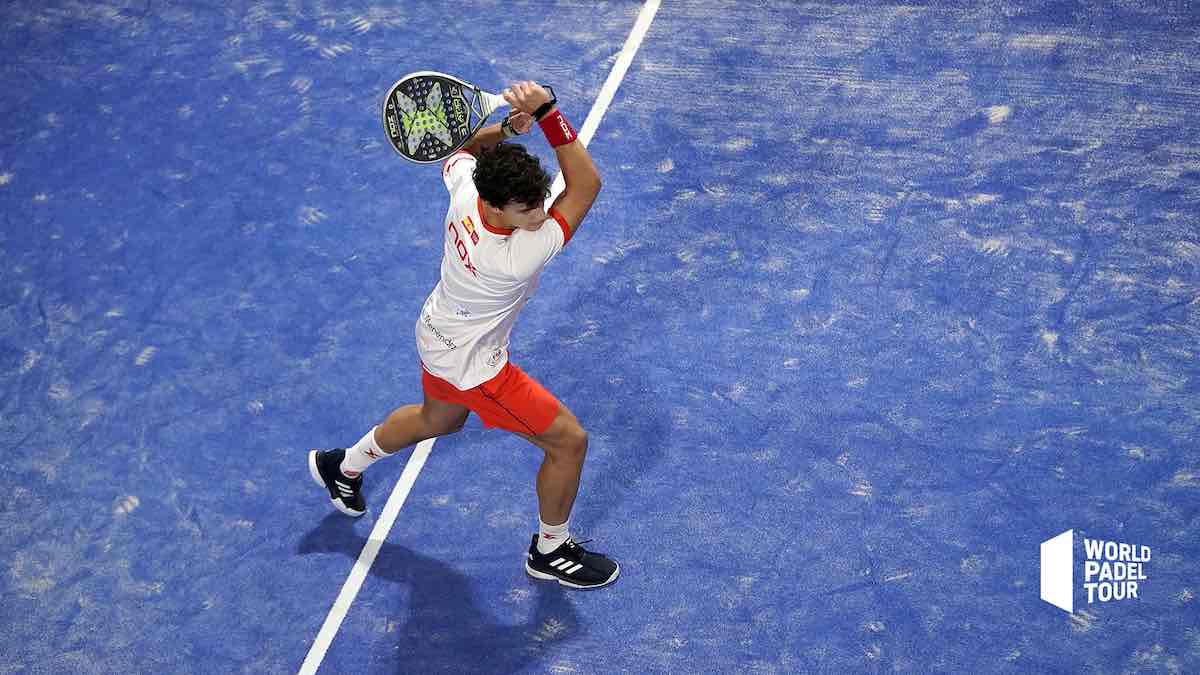
The serve is the one shot in padel you always start a point with, and the one beginners get wrong most often. Unlike tennis, a padel serve has to be underarm, below the waist, bouncing off the floor first, and landing diagonally in the opponent’s service box. If any of those conditions slip, the serve is a fault.

A legal padel serve is hit underarm, struck below the waist (at or below 1.06 m from the ground under current FIP rules), after letting the ball bounce once on the server’s side of the court, and landed diagonally in the opponent’s service box on the first bounce. The server stands behind the service line, with at least one foot on the ground, and must not step on or over the line before contact. Each server gets two attempts per point. A ball that touches the net and lands in the service box is a let and is replayed.

This guide covers every padel serve rule you need to know: how to stand, what counts as a fault, when a let is called, how the tie-break rotation works, and the 2024 FIP rule changes that clarified the serve height. It also explains the two most common serve variations (underarm and backhand) and the foot-fault situations that catch every new player out.

Practising your serve? It is far easier with a racket that suits you and fresh balls that bounce true. See our picks for the best padel rackets for beginners and the best padel balls, or start with a control-focused, round-shape racket like the Babolat Contact.

Padel Americano: How to Play, Scoring Rules & Best Apps

A padel Americano is the fastest way to get a group of players on court, mix partners every round, and crown an individual winner at the end. It’s the format US clubs reach for when 8, 12, or 16 players want a social tournament that runs in a couple of hours rather than a full day.

A padel Americano is a rotating-partner tournament format where every point counts toward your individual total. Instead of fixed doubles teams, you switch partners each round until you’ve played alongside everyone in the group. The player with the most total points at the end wins, regardless of who they were paired with.

This guide walks through how an Americano tournament actually works, the scoring system, the most common variations (Mexicano, Mixed Americano, Team Americano), how to organize one at your club, and the best apps for running it. Our guide on how to play padel covers the basics if you’re brand new to the sport.

Heading to an Americano? Bring your own gear so you are ready every round. See the best padel rackets for beginners, the best padel balls, and a padel bag to carry it all — or grab a versatile, durable all-rounder like the Wilson Carbon Force Team.

How to Play Padel: A Complete Beginner’s Guide (Rules, Scoring & Tips)

Padel is one of the fastest-growing sports in the United States right now — and if you’ve never played before, you’re in the right place. Originally invented in Mexico in 1969, padel has exploded globally and is now reaching every corner of the US, from California to Florida to New York.

This guide covers everything a complete beginner needs to know: the rules, the court, the equipment, and how scoring works. By the end, you’ll be ready to step on the court with confidence.

Ready to get on court? All you need to start is a racket and a tube of balls. See our picks for the best padel rackets for beginners and the best padel balls — or grab a light, forgiving first racket like the Head Zephyr.

Padel vs. Pickleball vs. Paddle Tennis: What’s the Difference?

Padel, pickleball, and paddle tennis are three racket sports that have exploded in popularity across the US — but they play very differently. Padel has grown from a niche sport to a mainstream game with thousands of courts and a professional league in the US, while pickleball has been the fastest-growing sport in the country for several years running. On the surface they look similar, but once you step on the court the differences are obvious.

Just comparing the two fastest-growing options? See our in-depth head-to-head: padel vs pickleball. This guide adds paddle (pop) tennis to the mix. You can also compare padel head-to-head with tennis and squash.

PadelPickleballPaddle Tennis
Court size65.6 ft × 32.8 ft (enclosed)44 ft × 20 ft (open)60 ft × 27 ft (open)
WallsYes — glass & mesh walls in playNoNo
BallPressurised rubber ballPerforated plastic (wiffle-style)Depressurised rubber ball
RacketSolid foam/carbon paddle, no stringsSolid composite paddleSolid perforated paddle
ScoringTennis scoring (games, sets)First to 11 pointsTennis scoring
Doubles?Always played in doublesSingles or doublesSingles or doubles
Serve typeUnderarm onlyUnderarm onlyUnderarm only
US popularityFast growing — 1,000s of courtsFastest growing sport in the USNiche, primarily East/West Coast

Other similar sports that use racquets and tennis balls include Padel Ball, Beach Tennis, Squash, etc.

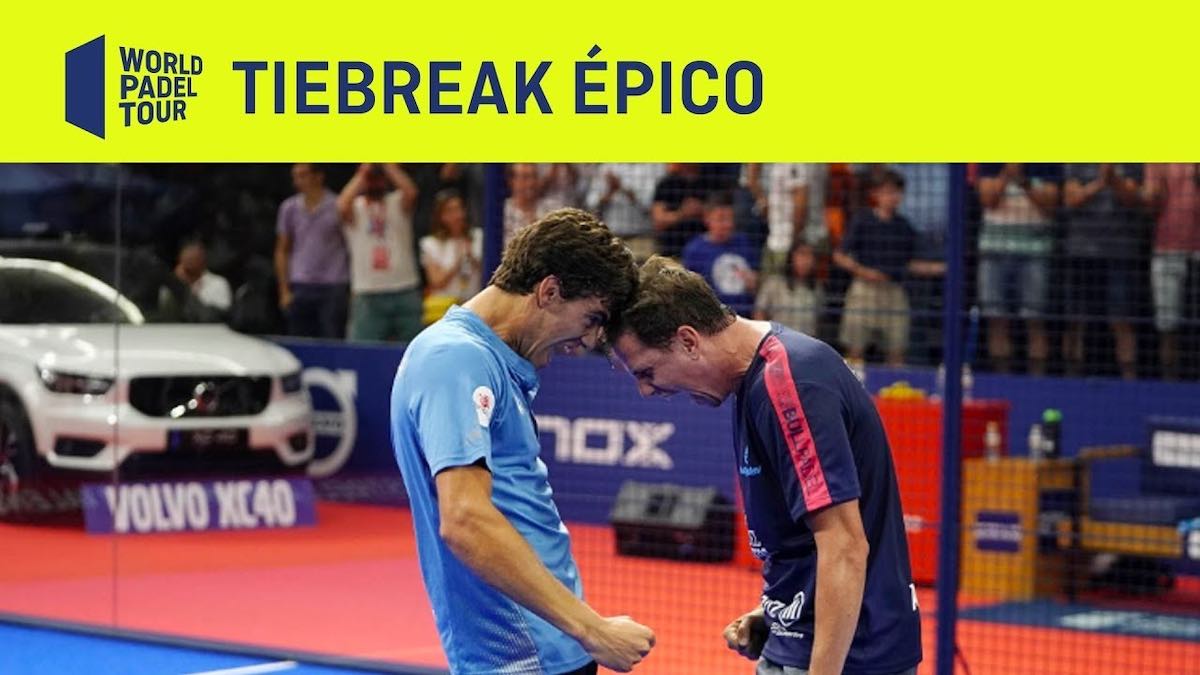
What Is a Tiebreak in Padel?

Padel is highly similar to tennis. There are few distinctions, like how a padel court (33 x 66 feet) is 1/3 of a tennis court.

Tennis is checkers, while padel is chess.

Lee Sponaugle, President of All Racquet Sports

But tennis and padel rules are essentially the same. If you need a full refresher on the basics, check out our beginner’s guide to how to play padel.

Following that, the tiebreak games are also the same. If both teams tie at 6-6 in a set (six games), the tiebreak winner wins with a 7-6 score.

Let’s learn more, shall we?

The Ultimate Guide to Positions in Padel

Positioning is the invisible skill that separates club players who win from club players who struggle — and the good news is it’s entirely learnable. You don’t need a better forehand or a harder smash. You need to understand where to stand, why to stand there, and how to move with your partner as a unit. Master that, and everything else in your game gets easier.