
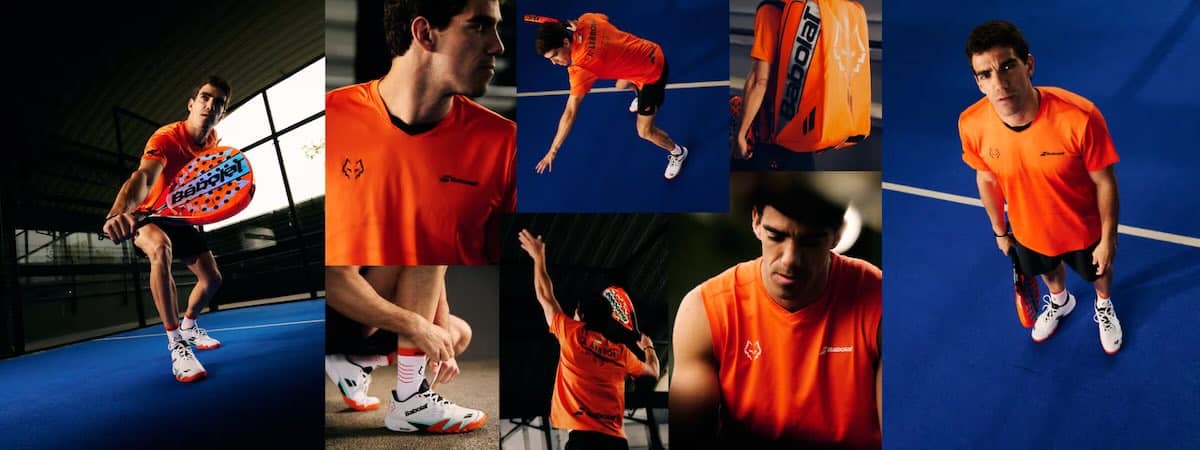
The Babolat Technical Viper is Juan Lebrón’s signature racket — a diamond-shaped power frame with 3K carbon faces and a head-heavy balance, built for advanced players who finish points with brute pace.
Babolat built the Technical Viper for the front of the court: a stiff, head-heavy diamond that turns clean contact into put-away pace. It sits at the top of Babolat’s 2026 power range, above the softer, fibreglass Technical Vertuo and the control-focused Counter line — and it’s the frame Juan Lebrón leans on to finish points.
This review covers its build, specs and on-court feel, and who it’s for. See also our best Babolat padel rackets guide.
Babolat Technical Viper at a glance
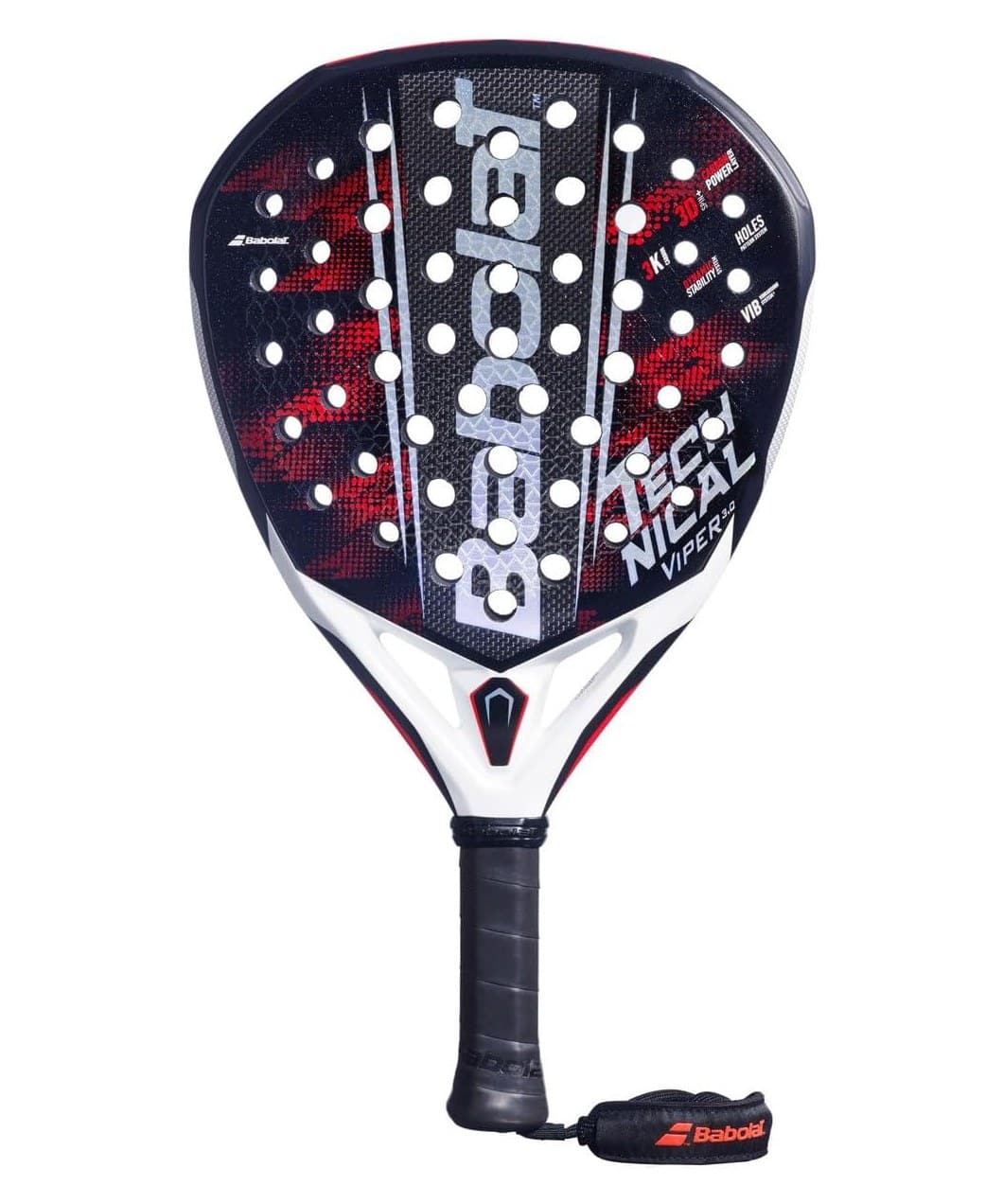
Why it wins: Juan Lebrón’s signature power diamond — 3K carbon with a Carbon Power Layer for explosive smashing, built for advanced attackers. (~$273)
- Diamond shape — maximum power, head-heavy
- 3K carbon faces + Carbon Power Layer
- High balance with Dynamic Stability System
- ~365–375 g — Juan Lebrón’s racket
Main features of the Babolat Technical Viper
The Technical Viper is Babolat’s power weapon, tuned to Juan Lebrón’s attacking game:
- 3K carbon hitting faces with a stiff, explosive response
- Carbon Power Layer inside the rubber for extra pop on smashes
- Diamond shape with a high, head-heavy balance
- Vibrabsorb (SMAC) damping + 3D Spin+ textured surface
- ~365–375 g playing weight for advanced players
Specification of the Babolat Technical Viper
Here are the full specs of the Babolat Technical Viper:
- Shape: Diamond
- Weight: ~365–375 g
- Balance: High
- Core: X-EVA + Carbon Power Layer
- Faces: 3K Carbon
- Player level: Advanced
- Type of play: Power
- Pro: Juan Lebrón
Our review of the Babolat Technical Viper
The Technical Viper hits with serious authority. The diamond head and high balance load the top of the frame, so smashes and high volleys explode off the strings, and the Carbon Power Layer adds a noticeable kick of pace through the ball. The 3D Spin+ surface bites well for kicked serves and topspin.
As with any diamond, the trade-off is forgiveness — the sweet spot sits high and mishits punish you, so it rewards clean technique and timing. For an advanced player who lives at the net, it’s one of the most explosive palas Babolat makes.
Pros
- Explosive smashing power
- Carbon Power Layer adds real pop
- Strong spin grip from 3D Spin+
- Lebrón pedigree
Cons
- Demanding, high sweet spot
- Harsh on off-centre hits
- Advanced players only
Who is the Babolat Technical Viper for?
The Technical Viper is for advanced players with strong technique who want a genuine power weapon. It’s Juan Lebrón’s diamond — head-heavy, stiff and built to finish points hard at the net — so it draws players chasing his setup.
It is not a forgiving racket: the high balance and demanding sweet spot will punish mishits and tire a developing arm. Beginners and improvers should start elsewhere.
How the Babolat Technical Viper plays
The diamond head and very high balance make it a heavy-hitting finishing weapon — serious power and weight behind the smash.
The 3K carbon face and X-EVA core with a carbon power layer give a stiff, explosive response, and the surface helps generate aggressive spin.
The trade-off is the usual diamond one: a smaller, higher sweet spot and less forgiveness, so it rewards clean contact and good footwork. On control and defence it’s demanding rather than easy.
Babolat Technical Viper vs the alternatives
Most of the real decision is which Viper. The Air Viper is the lighter, faster-handling version of this diamond — same power identity, easier to swing; the Counter Viper is the softer, more controllable sibling; and the Technical Veron is the round-shape alternative if you want more control and a bigger sweet spot.
For a softer, more comfortable version of this diamond, see the Babolat Technical Viper Soft.
Cross-brand, it lines up against power diamonds like the Adidas Adipower. Go Technical Viper for maximum power, the others for more comfort or control.
Is the Babolat Technical Viper worth it?
For an advanced power player with the technique to use it, the Technical Viper is worth the flagship price — it’s one of the hardest-hitting frames going and carries genuine pro pedigree.
If you find it too demanding or too heavy, the lighter Air Viper or the more forgiving Counter Viper deliver much of the Viper feel with less punishment. Buy the Technical for power; buy down the line for comfort.
Conclusion
The Technical Viper is one of the most explosive palas Babolat makes — if you have the technique to drive a true diamond, it rewards you with elite smashing power and biting spin from the 3K carbon face and Carbon Power Layer. It asks plenty in return: the high sweet spot and stiff response punish anything less than clean contact, so it’s strictly an advanced-player weapon. For aggressive net players who close points, it’s a genuine flagship; control players and improvers will be happier on a softer frame.
The Babolat Technical Viper is a brilliant power diamond for advanced attackers and Juan Lebrón fans. See how it stacks up against the other flagships in our best padel rackets guide.

Lucas Sánchez is the founder of SimplePadel. Born and raised in Spain, Lucas has been living in the US and UK for the last 20 years and currently calls Miami his home. While he’s never played professionally, the dream is still alive.
Lucas loves nothing more than playing (and talking) about padel, and he considers himself lucky to have a wife and family that share his love for the game.