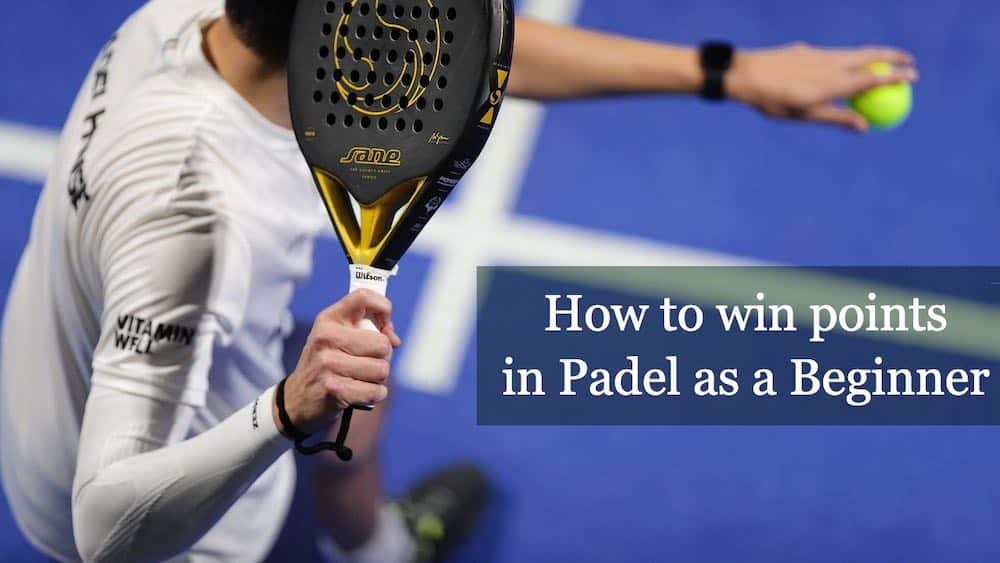
Padel is easy to pick up and brutal to master. The scoring is the same as tennis, the court is smaller, the walls are in play, and the paddle feels nothing like a tennis racket. If you’ve just started and you’re losing more points than you’d like, the good news is that most beginner mistakes are fixable with a handful of deliberate adjustments.
The fastest way to win more points in padel as a beginner is to cut unforced errors, play the lob and the wall rebound, stay with your partner, and forget about power. Consistency wins at the club level – not smashes.
This guide is a set of padel tips and strategies that actually move the needle if you’re new to the sport. We’ll cover positioning, the must-learn shots, the beginner mistakes that cost most points, and how to build a basic game plan that wins against players at your level. If you’ve never played before, start with our guide on how to play padel.
10 Padel Tips for Beginners (Quick Summary)
If you only have a minute, here’s the short version. The rest of the guide goes into each tip in detail.
- Use the continental grip (also called the hammer grip). It’s the only grip you need as a beginner.
- Play with your partner, not next to them. Move as a unit; cover the court as a 2-person team.
- Fight for the net. The team at the net wins most points at club level.
- Master the lob. It’s the cheapest way to push the opponents off the net.
- Use the walls. Let balls bounce, wait, and hit them cleanly off the rebound.
- Forget about power. Consistency beats smashes at every level below advanced.
- Serve into the body or down the T. Don’t try to ace – just start the point under control.
- Keep the ball low at the net. Avoid floaters – they set up easy smashes for the other team.
- Aim at the middle of the court. Confuses your opponents, causes miscommunication.
- Cut unforced errors in half. Most beginner points are given away, not taken.
Learn the Basics of Padel Positioning
Positioning is 80 percent of padel at the beginner level. The difference between a player who’s been playing for three months and a player who’s been playing for three years is usually not shot technique – it’s where they stand and when they move.
Move with your partner
Padel is always doubles. The biggest mistake new players make is treating the game as two singles matches side by side. It isn’t. The two of you are a single unit. When your partner moves left, you move left. When they move forward to the net, you move forward.
Imagine an elastic band between you and your partner. It can stretch, but it shouldn’t break. If one of you is at the net and the other is at the back glass, that band is broken and the opponents can punish the gap down the middle.
Fight for the net
At club level, the team at the net wins the majority of points. The net position lets you take the ball early, volley downward, and keep the pressure on the opponents at the back. Your goal every point is to get your team from the back of the court to the net as fast as you can, then stay there.
Pick a side and know its job
Most padel players are either a right-side player (deuce side) or a left-side player (ad side). The right side sets up points and takes the easier shots down the line. The left side is the “finisher” – most smashes and key backhand shots land there. If you’re a natural right-hander, you’ll usually start on the right and move to the left as you get more comfortable with the backhand.
Offense and defense
Offense in padel isn’t about hitting hard. It’s about taking the ball early, keeping your opponents off the net, and forcing them into awkward positions at the back wall. Defense is about staying patient: let their smashes come off the back glass, wait for the rebound, and lob deep to reset the point. For more on this, our guide on padel court positions covers it in detail.
Master the Basic Shots Before Anything Fancy
There are a lot of shots in padel – bandeja, vibora, kick smash, chiquita – and none of them matter if you don’t have the basic four locked in first. If you can hit a clean forehand, backhand, volley, and lob, you can beat 80 percent of beginners and most intermediate players without ever learning a flashy shot.
Forget about power
Padel is a game of angles and patience, not speed. Swing at around 50 to 60 percent of your max and you’ll win more points than if you swing at 100 percent. A soft, placed shot to the corner is worth three smashes that fly long.
The walls make power actively dangerous. A smash that would win the point in tennis comes back at you off the back glass in padel, and now you’re the one scrambling at the back wall.
The serve sets the tone
You don’t need to ace your opponent. As a beginner, your job on serve is simple: get the ball in, keep it low, and aim for either the T (the centerline) or straight at their body. Both force awkward returns. If you want to go deeper on this, our padel serving rules guide and our post on how to hit an ace in padel both cover the technique.
A second serve with a little spin (see our guide on padel spin and shot effects) is much harder to return than a flat second serve at the same pace.
Aim at the middle (the “husband and wife” shot)
Instead of aiming at one player, aim at the gap between the two opponents. Either they hesitate (“yours!” “no, yours!”) and the ball drops, or one of them hits a rushed return that sets you up for an easy follow-up. At club level, the middle shot wins more points than any corner shot.
Use the lob
The lob is the single most undervalued shot in amateur padel. Played well, it pushes the opposing team off the net and forces them back to the glass. Played badly, it’s a free smash for the opponents – so aim deep and give it enough height.
Good rule of thumb: if you’re stuck at the back and can’t win the point with a drive, lob. If you’re at the net and the opponents are making life hard, lob them back so you have more time to reset. Our guide to all the shots in padel goes into the specifics.
Cut Unforced Errors to Win More Points
At the beginner level, most points aren’t won – they’re given away. The fastest path to a better win rate is simply making fewer mistakes.
Play patient, wait for the opening
A typical beginner point lasts 2 to 4 shots because someone panics. Try to make your team the one that hits the third, fourth, fifth shot in a rally. If you can keep the ball in play longer than the opponents, you’ll win points without having to hit a great shot – the opponents will make the mistake for you.
Master the walls
The walls are padel’s defining feature. Most new players panic when a ball heads for the back glass. Don’t. Let it bounce, wait for the rebound, and hit it cleanly on the way up. Our guide on how to play off the walls in padel has drills for getting used to the bounce.
Same goes for shots into the side glass. Get comfortable with the bounce at the club level you play at (different paddle tennis courts in the US have slightly different glass characteristics) and you’ll stop “giving up” on balls that are actually very playable.
Common beginner mistakes
The most common mistakes we see at US clubs during beginner sessions:
Wrong grip
Padel uses the continental grip (also called the hammer grip). Hold the paddle like you’re shaking hands with it. If you’re switching grips between forehand and backhand like a tennis player, you’re making life harder for yourself. One grip, every shot.
Wrong court position
Most beginners camp around the service line, which is the worst place to be in padel. It’s too far from the net to volley effectively and too close to the back wall to let balls bounce off the glass. Commit to either the net or the back – never the middle.
Too close to the ball
New players tend to crowd the ball, which jams their swing. Give yourself space. Step around and slightly away from the ball so you can swing freely. If you’re hitting the ball with a bent arm, you’re too close.
Panicking at the back glass
Balls that bounce off the back wall often come back slower and more controlled than balls hit direct. Don’t swing early – let the ball come off the glass, then hit a controlled shot.
Basic Padel Strategy for Beginners
Strategy in padel isn’t complicated. At the beginner and early-intermediate level, a simple game plan repeated consistently beats a flashy game plan you can’t execute yet.
Target the weaker player
Identify which opponent is less comfortable in the first two points of a match. Aim most of your returns at that player for the rest of the set. It’s not rude – it’s padel. Every team you’ll face will do the same to you.
Attack the weaker side
Most players have a weaker side (usually the backhand). Hit there. If their backhand volley is shaky, feed them balls at the net that force them to hit a backhand volley.
Lob under pressure
If you’re pinned at the back or your partner is, don’t try to hit a winner. Lob deep. Push the opponents off the net, reset the rally, and try again.
Keep volleys low
A high volley at the net is a gift to the opponents – they smash it. Aim for knee height or lower on every volley. Dink the ball if you have to. Low volleys force low-to-high returns that come back as slow floaters you can put away.
Slow the game down when you’re losing
If the opponents are dominating, change the pace. Lob more. Use more spin. Take your time between points. Breaking rhythm is one of the most effective strategies in padel, especially against players who rely on power.
Recommended reading:
The Ultimate Guide to Positions in Padel – covers net vs baseline play, left vs right, and how to move as a pair.
How to Improve Faster
Book a coaching session
A single one-hour coaching session will fix grip, swing, and footwork issues that you’d otherwise reinforce over months of free play. Most US padel clubs have coaches – $50 to $90 for a private hour is the going rate, and it’s the best value in padel if you’re serious about improving.
Play with better players
You only get better by playing up. Players at your level won’t push you out of your habits. Players a level above you will force you to move faster, hit harder, and think earlier. Most padel clubs run open sessions where you get mixed with players across levels – jump in.
Join an Americano night
Americanos rotate your partner every round, so you get exposure to a wider range of playing styles than a normal doubles match. Our guide on how to play an Americano tournament covers the format in detail.
Warm up properly
Cold players hit cold shots. Spend five minutes warming up the body and five minutes hitting balls at the net before you start a match. You’ll play better from the first point and avoid the most common padel injuries. Our padel warm-up guide has a good routine.
Have the Right Equipment
You don’t need top-of-the-line gear as a beginner, but the wrong gear will hold you back.
Choose the right paddle for your level
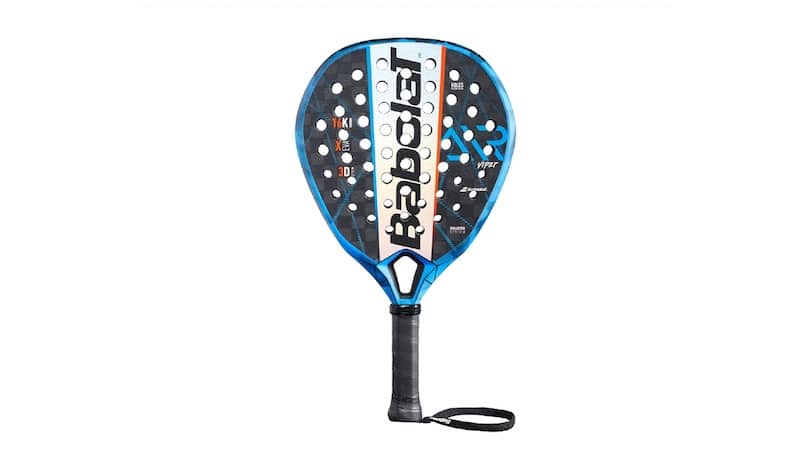
As a beginner, look for a padel paddle in the 355 to 375 g weight range with a round or teardrop shape and a medium-to-soft feel. Round paddles are the most forgiving – they have a larger sweet spot and don’t punish off-center hits as badly as diamond-shaped paddles do.
Diamond paddles look cool and hit harder, but they’re brutally unforgiving if you’re still finding your sweet spot. See our guide on best padel rackets for beginners and on the paddle sweet spot for more detail.
Wear actual padel shoes
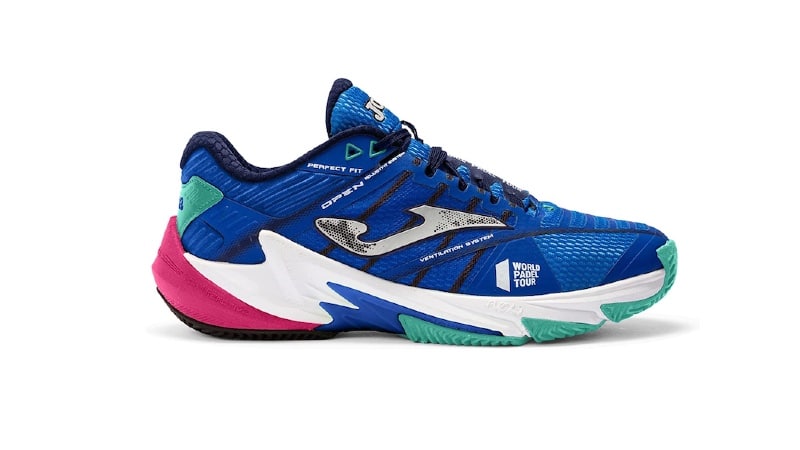
Running shoes are a bad idea on a padel court. The lateral movement will roll your ankle eventually. Tennis shoes work in a pinch, but actual padel shoes have a “fishbone” sole pattern designed for artificial turf and give you noticeably better grip and stability. See our padel shoes guide for what to look for.
Wear the right clothes
Anything breathable and stretchy works. Our guide on what to wear on the padel court covers the basics. Don’t overthink this one.
In Summary
Winning more points in padel as a beginner comes down to four things: cut unforced errors, take the net, play with your partner as a unit, and learn the lob. None of that requires advanced technique. It just requires patience and a game plan.
Keep playing, keep watching better players, and book at least one lesson in your first month. In 8 to 12 weeks, you’ll be comfortable on court and playing real rallies. The players who push through that early frustration are the ones who stick with padel for years.
Frequently Asked Questions – Padel Tips for Beginners
Use the continental grip, stay next to your partner, fight for the net, master the lob, and stop trying to hit winners. At the beginner level, consistency wins every match. Cutting unforced errors in half will have a bigger impact on your win rate than any new shot.
Most beginners hit a comfortable club level in 8 to 12 weeks of weekly play. Mastering footwork, the wall bounces, and shot selection takes longer – roughly 12 to 24 months of regular play to feel like a confident intermediate. A coaching session or two in your first month accelerates the curve significantly.
The lob. It resets the point when you’re under pressure, pushes the opposing team off the net, and gives you time to take the net yourself. A good lob is more valuable than any smash at the beginner level.
Trying to hit too hard. Padel’s walls mean a big smash often comes back at you. Beginners win far more points by playing patient, placing the ball, and letting the opponents make mistakes than by trying to end every rally with a winner.
Both, but take at least one lesson first. A single hour with a coach will fix grip, swing, and footwork issues that you’d otherwise reinforce over months of free play. After that, playing matches against slightly better players is the fastest way to keep improving.
The continental grip, also known as the hammer grip. Hold the paddle like you’re shaking hands with it. Use the same grip for forehand, backhand, volley, and serve. You don’t need to switch grips between shots like you would in tennis.

Lucas Sánchez is the founder of SimplePadel. Born and raised in Spain, Lucas has been living in the US and UK for the last 20 years and currently calls Miami his home. While he’s never played professionally, the dream is still alive.
Lucas loves nothing more than playing (and talking) about padel, and he considers himself lucky to have a wife and family that share his love for the game.
6 replies on “10 Padel Tips for Beginners: How to Win More Points”
[…] After going through our effective warm-up and stretching exercises above, you’ll have the best opportunity for winning your next padel game. […]
[…] let you score a point without causing stress on your arm joints, index finger, and […]
[…] They can use their forehand to return service when the ball hits the wall. This can be a good start for beginners. […]
[…] As the name implies, the Counter Veron Babolat padel racket is designed to COUNTER aggressive players, offering enough power and control to turn the tide on your opponents. […]
[…] two games have completely distinct scoring systems. Padel uses the same scoring style as […]
[…] How to win more points as a beginner […]