Patricia Nguyen is a former pickleball player who joined SimplePadel as a Content Writer in late 2022. She lives in Texas with her two dogs and is an avid fan of the sport. Her favorite player is Ale Galán, whom she believes to be the best defensive padel player that ever played the game.
New Balance sells a genuine clay/padel-oriented shoe in Europe — the FuelCell 796 line in a colorway literally named “Padel” — but it is not sold on Amazon.com. Search Amazon US for “New Balance padel shoes” and what comes back is New Balance’s hard-court and clay-court tennis shoes, not a shoe marketed for padel.
This guide is honest about what that means in practice: the New Balance tennis shoes that cross over reasonably well to a padel court, how they compare to a purpose-built padel shoe, and when you are better off buying from a brand that actually sells dedicated padel footwear in the US.
Padel has one of the lowest gear barriers of any racket sport — you don’t need expensive equipment to start, and most clubs will lend or rent you the basics for a first session. But knowing what you actually need (versus what you don’t) saves money and stops you turning up without something essential. This guide covers the full beginner kit, what each item does, and a specific pick for every category that’s available on Amazon US.
If you’d rather buy everything in one go, see the best padel starter sets — several bundle a racket, balls and a cover at a combined discount that usually beats buying separately.
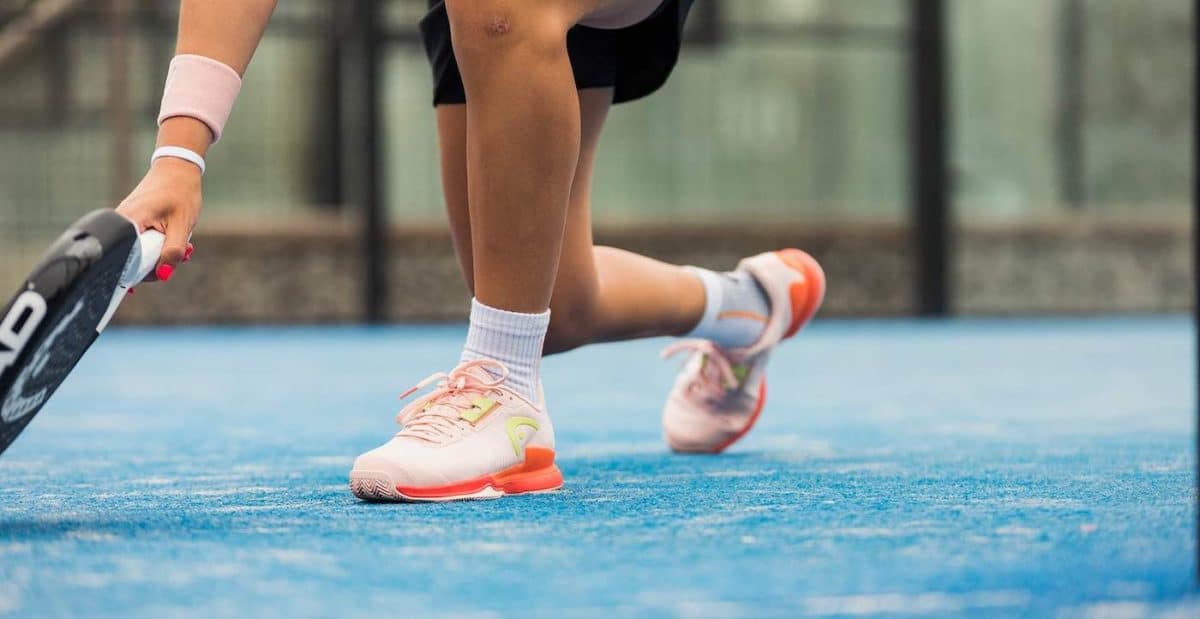
The right shoes matter more in padel than most beginners expect. The game is all sharp lateral movement, sudden stops and quick pushes off the back glass — and running shoes or worn sneakers leave you sliding, unstable and at real risk of a rolled ankle. A proper padel (or court) shoe grips the turf, locks your foot in place and protects your joints.
Padel-specific shoes are still relatively limited on Amazon US, so several of our picks are clay-court or all-court tennis shoes that work brilliantly for padel — we flag which is which. Below are the best options for every kind of player, followed by a plain-English guide to choosing the right pair. Not sure whether your tennis shoes will do? See our full breakdown of padel shoes vs tennis shoes.
An ace in padel is rare. Much rarer than tennis. The serve is underhand, the receiving team starts in a balanced position, and the court is enclosed — there’s nowhere to hide a serve from a competent returner. At the pro level, true aces are rare enough that commentators name them. Watching Paquito Navarro hit a clean ace at Premier Padel Madrid 2024 (down the T, off the side glass) was a highlight of the entire week.
But aces ARE possible at amateur level — and your serve doesn’t need to be a weapon to win you free points. A well-placed serve that ends the rally on the third or fourth ball is functionally an ace’s cousin. This guide covers both: the rare, clean ace that ends the point on the serve itself, and the more achievable goal of using your serve as a setup that wins the point quickly.
If you’re new to padel itself and unfamiliar with how the underhand serve works at all, start with our guide to what is padel for the foundations.
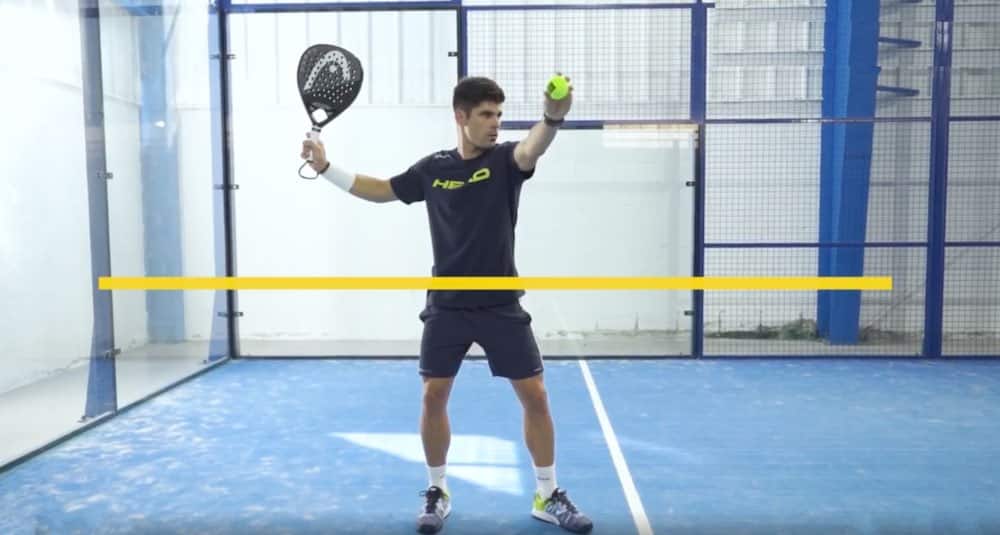
The serve is the one shot in padel you always start a point with, and the one beginners get wrong most often. Unlike tennis, a padel serve has to be underarm, below the waist, bouncing off the floor first, and landing diagonally in the opponent’s service box. If any of those conditions slip, the serve is a fault.
A legal padel serve is hit underarm, struck below the waist (at or below 1.06 m from the ground under current FIP rules), after letting the ball bounce once on the server’s side of the court, and landed diagonally in the opponent’s service box on the first bounce. The server stands behind the service line, with at least one foot on the ground, and must not step on or over the line before contact. Each server gets two attempts per point. A ball that touches the net and lands in the service box is a let and is replayed.
This guide covers every padel serve rule you need to know: how to stand, what counts as a fault, when a let is called, how the tie-break rotation works, and the 2024 FIP rule changes that clarified the serve height. It also explains the two most common serve variations (underarm and backhand) and the foot-fault situations that catch every new player out.
Practising your serve? It is far easier with a racket that suits you and fresh balls that bounce true. See our picks for the best padel rackets for beginners and the best padel balls, or start with a control-focused, round-shape racket like the Babolat Contact.
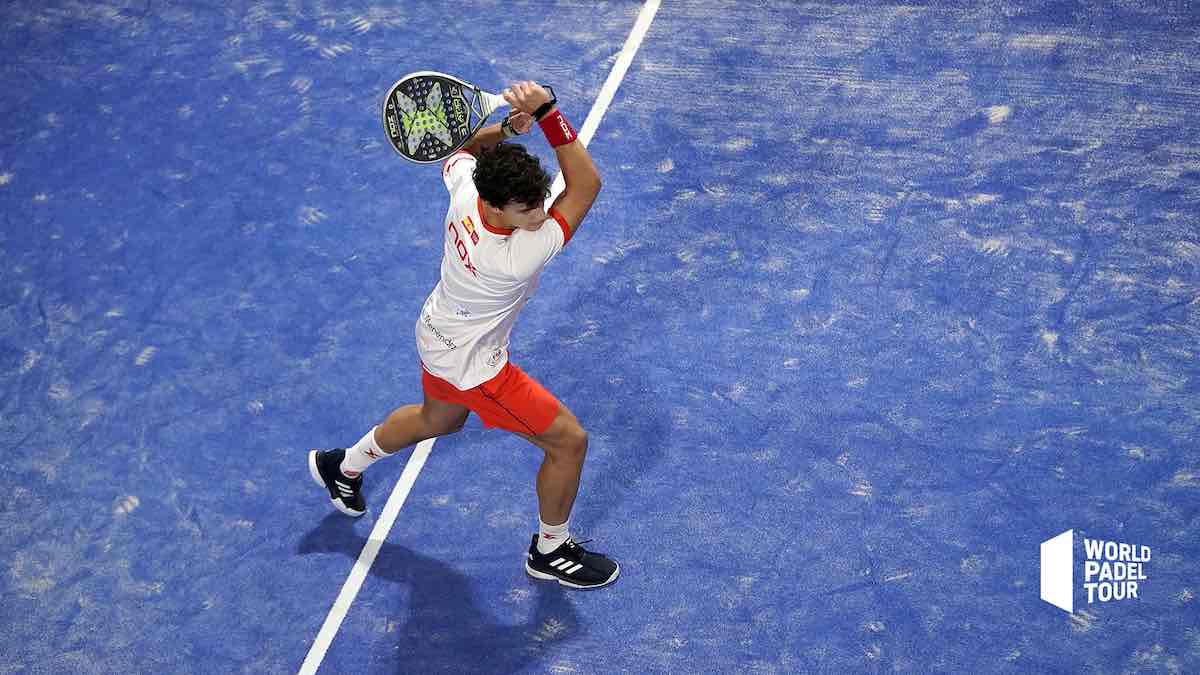
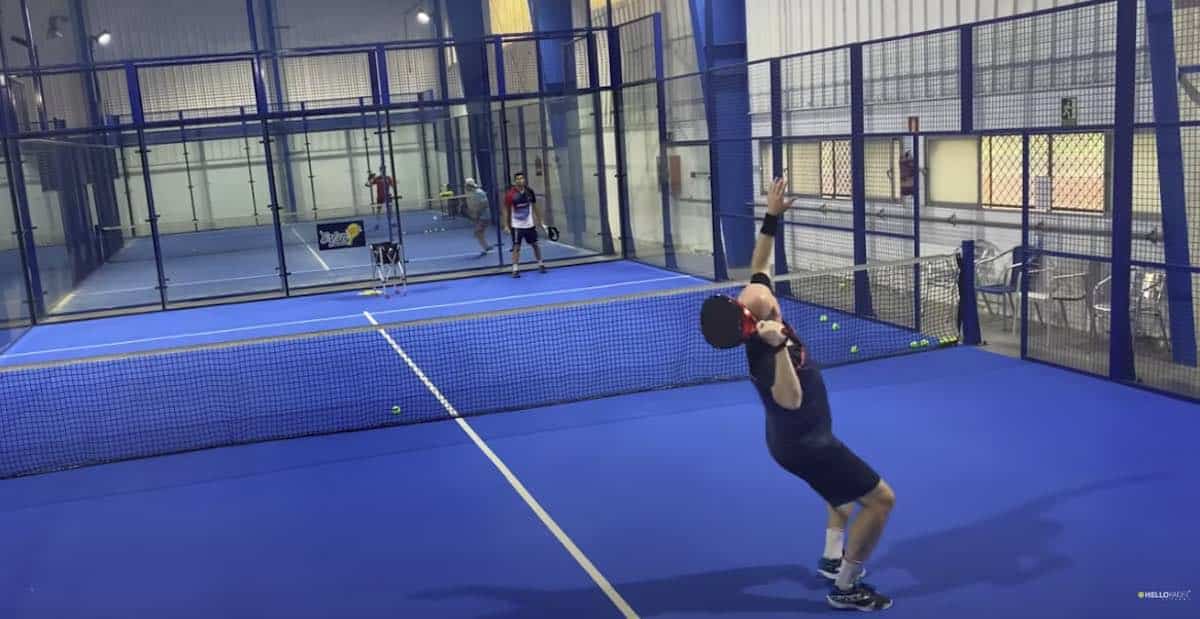
The kick smash is the most spectacular shot in padel — the only one that can definitively end a point even at the pro level. It’s also the most overhit shot at amateur level. Watch any club night anywhere and you’ll see beginners trying to murder lobs with flat smashes that bounce off the back glass straight back into their own chests. The kick smash is the answer to that. Done right, the ball clears the back glass entirely and rolls into the parking lot. Done wrong, you set yourself up for a counter that ends the point against you.
Most beginners get this shot wrong for one reason: they go for power instead of spin. They watch Galán launch a ball into row Z at Premier Padel Madrid and think the answer is a bigger swing. It isn’t. The kick smash is a topspin shot first and a power shot a distant second — the spin is what makes the ball bounce out of the cage, not the speed. If you’re new to padel itself and not just the kick smash, start with our guide to what is padel for the basics first.
This article is the un-watered-down version: how the shot actually works, when to use it, when not to, and the specific mistakes I see at every US club I’ve played at. No “comprehensive guide” filler.
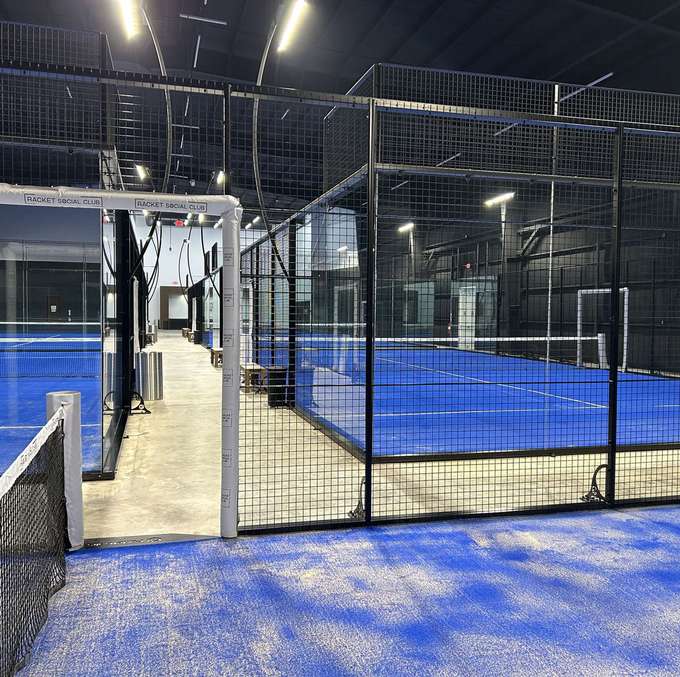
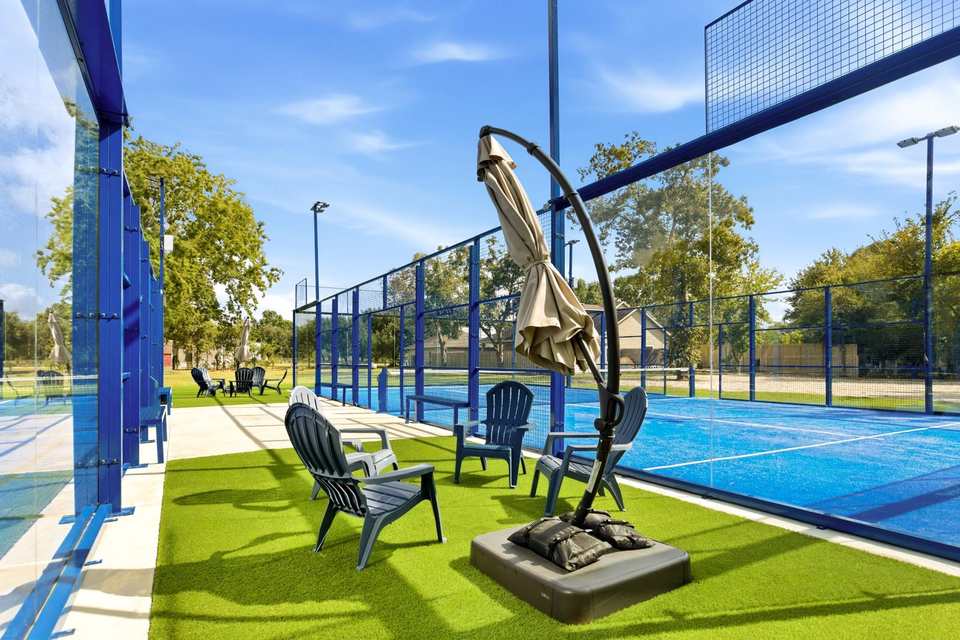
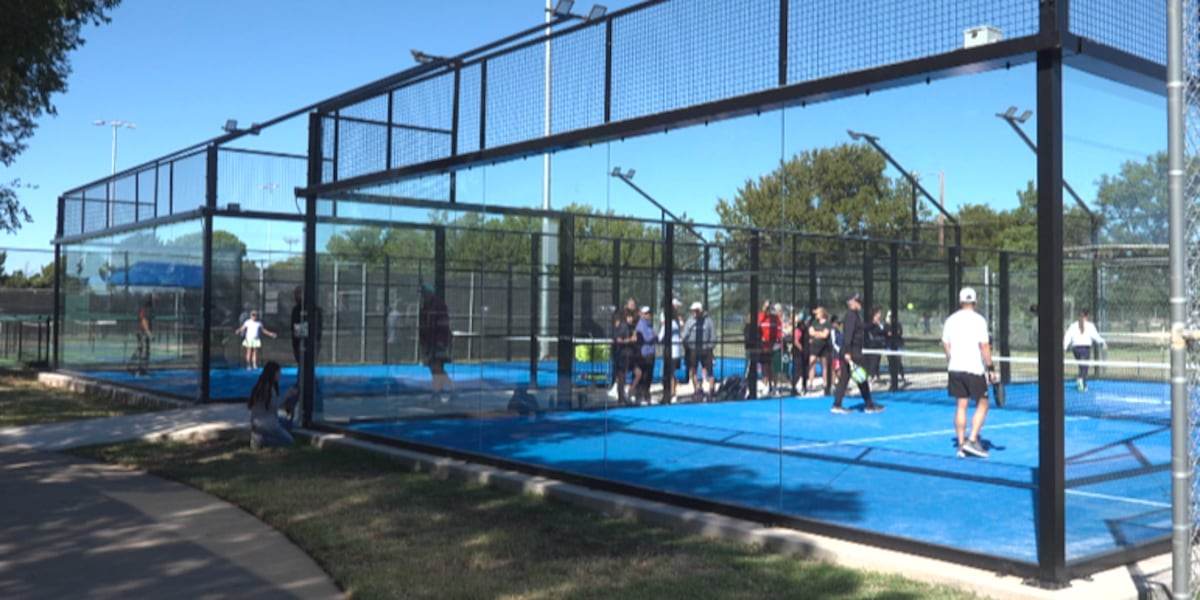
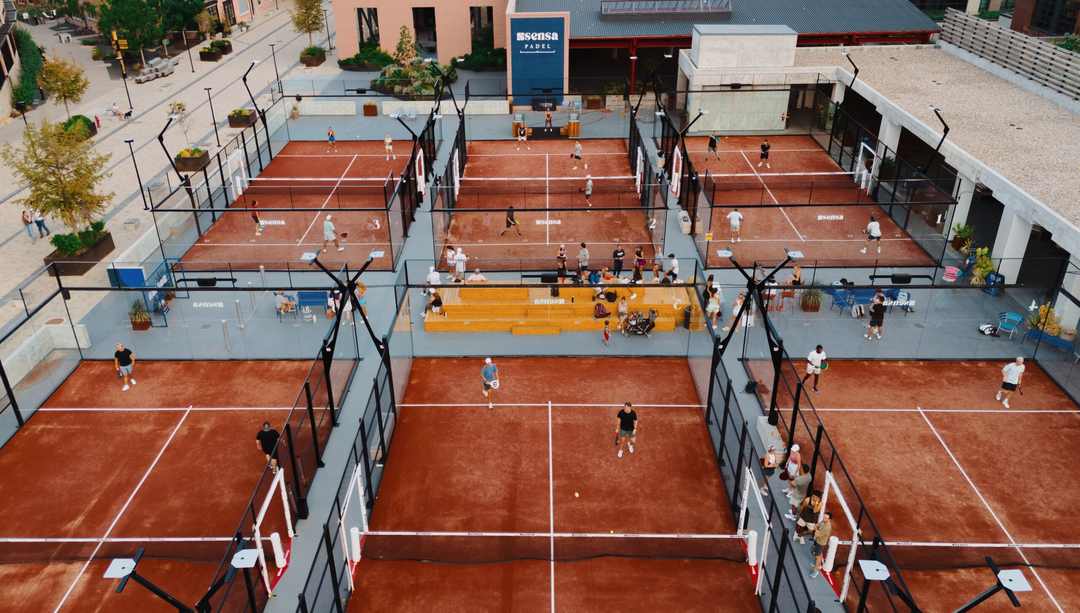
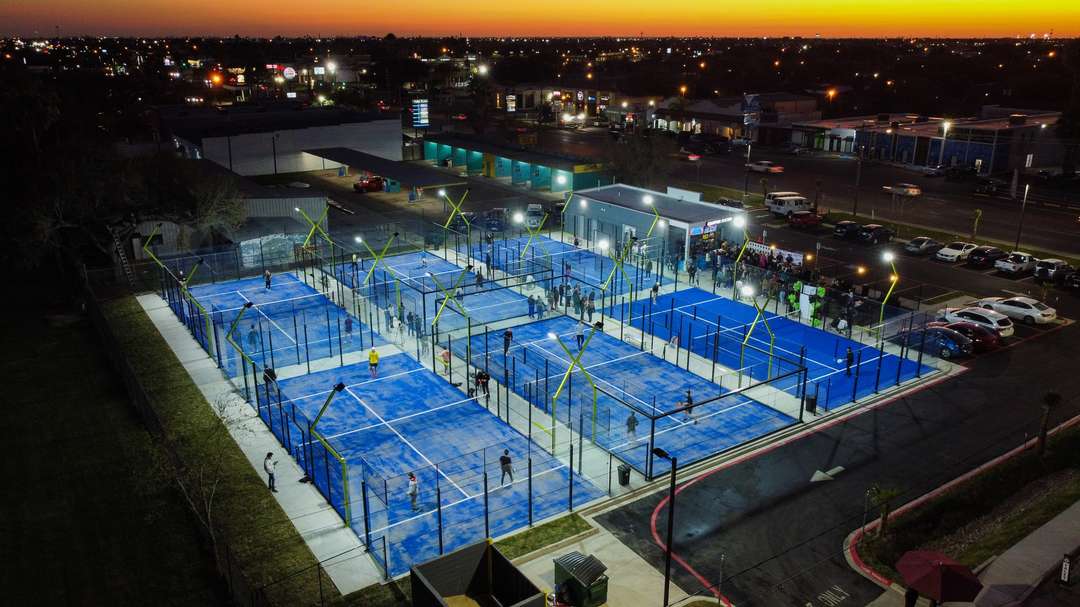
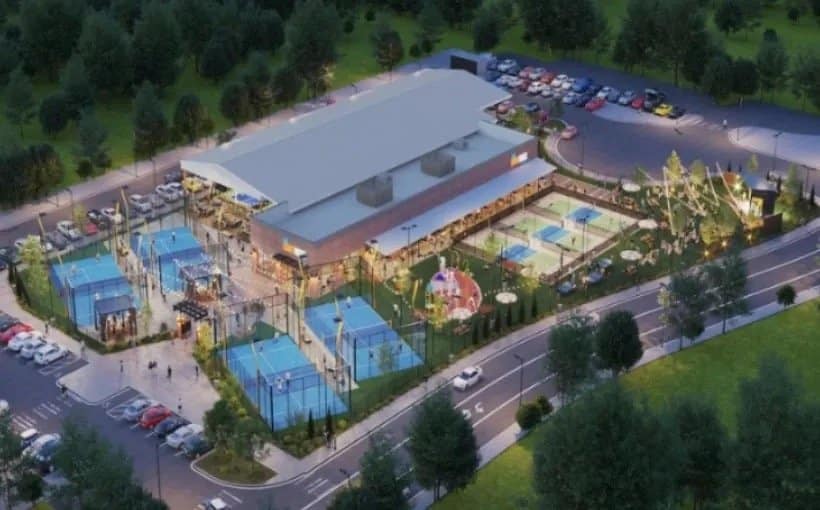
Texas has a fast-growing padel scene. As of Q2 2026, there are 60 padel clubs and 264 courts across the area. The biggest scenes are in Austin, Houston, El Paso, and San Antonio. Below you’ll find every club mapped, rated, and profiled — from premium venues to grassroots community spots.
If you’re new to the sport, start with our complete beginner’s guide to padel or browse the national US padel hub to find a court in another state. Whether you’re chasing your first rally or a premium glass court for league play, this guide covers it.
Texas at a Glance
60
Clubs
264
Total Courts
50
Indoor
132
Outdoor
5★
Top Rated
Jump to a City
Click any city to jump straight to its clubs. Cities marked deep-dive have a full standalone guide.
Ratings sourced from Google Reviews as of Q2 2026. Cities with a dedicated deep-dive page (marked above) aren’t listed here — see the city guide for full details.
Club Profiles
Grouped by city, ordered by club count. Cities marked deep-dive have a full standalone guide — click through for the complete club list.
Brookhaven Country Club is a private Invited Clubs country club in Farmers Branch, TX (Dallas-Fort Worth metro) — and one of the largest racquet sports facilities in the nation.
The first indoor padel facility in Dallas — Net Racquet Club brought the sport indoors in the heart of the DFW metroplex, giving North Texas players a dedicated home for year-round padel.
DPC offers a full range of programs for players of all skill levels: – Open play sessions – Clinics for beginners and intermediate players – League play and competitions – P.
Padel, soccer, and food all in one spot — IMGN Park is a multi-sport outdoor venue in Mission, Texas, serving up a unique blend of court sports and community vibes in the Rio Grande Valley.
A community-run tennis facility in Amarillo's parks system that recently added padel — 2 outdoor courts make this the only padel option in the Texas Panhandle.
There are currently 60 padel clubs in Texas, with 264 total courts. The clubs section above lists every facility with its address, court count, contact details, and amenities.
How many padel courts are there in Texas?
As of Q2 2026, Texas has 264 padel courts across 60 clubs.
Is padel growing in Texas?
Yes. Padel has been one of the fastest-growing sports in the United States since 2022, and Texas is part of that boom.
Do I need a membership to play padel in Texas?
Most clubs offer pay-per-play options. Some private country clubs require membership — check each club's profile above for booking details.
Which is the best padel club in Texas?
It depends what you're looking for. The summary table above sorts by Google rating — the highest-rated clubs are flagged 'Highly Rated'. Click any rating to see live reviews.
Explore More US Padel Guides
Padel is exploding across the United States. See where else you can play, find the best clubs in each state, or browse our city deep-dives.
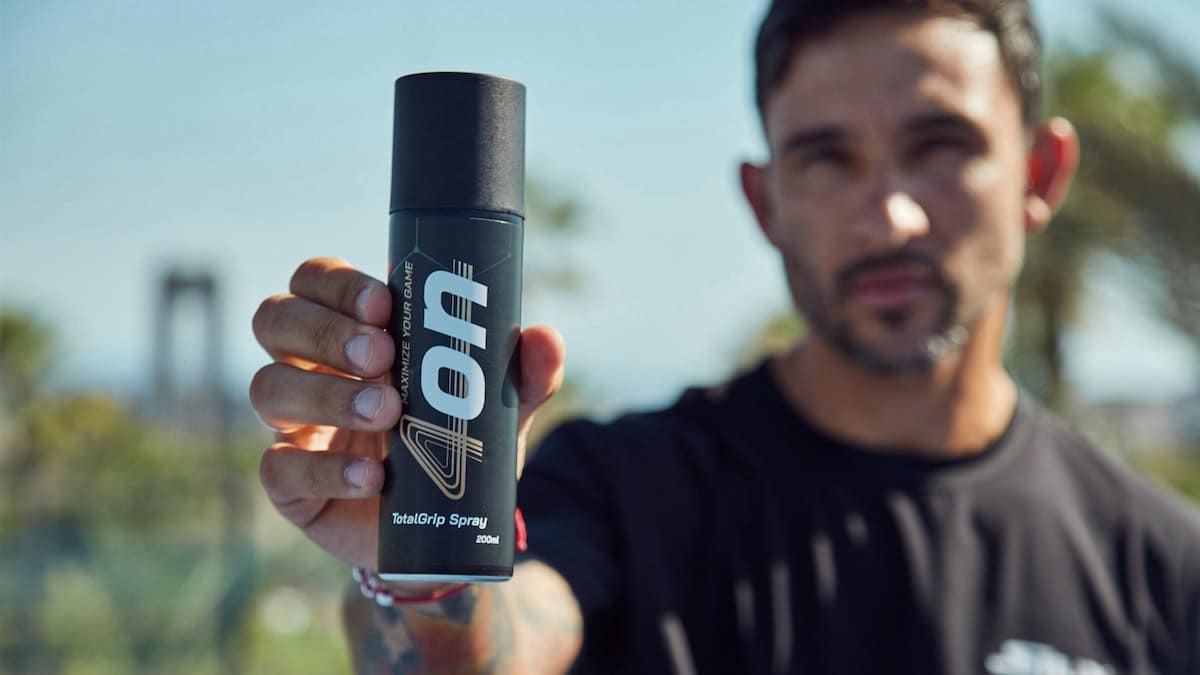
Are you sweaty or have trouble getting a good grip on the rack? If so, try this product, which immediately gives you maximum grip! I didn’t believe it worked until I tried it myself. It is 🤯!
4on TotalGrip spray is a cutting-edge non-slip product that prevents hand sweat from making your top grip slippery and is ideal for use in wet, sweaty, hot conditions.
Spray the product directly onto the grip of your padel racket, a little at a time, until you achieve the desired effect.
Read on to learn how this product will revolutionize your game too.
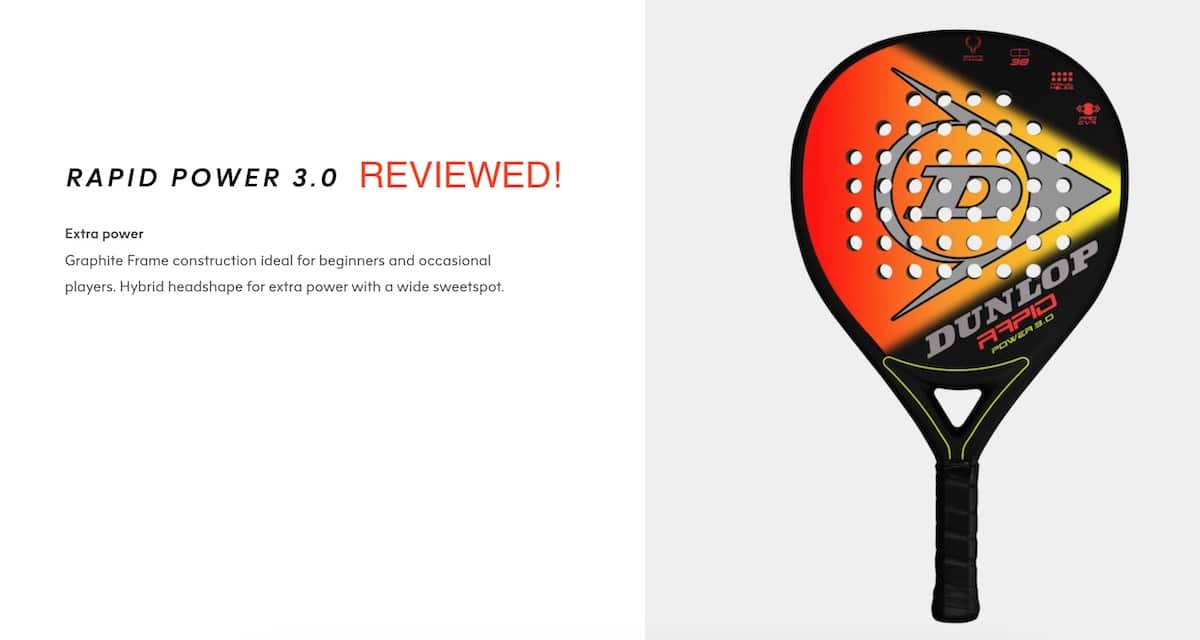
Whether you’re just starting with padel or is one of the more occasional players, the Dunlop Rapid Power padel racket is a great option to consider when you’re buying your first paddle!
This racket is designed for comfort, power, and control to help you learn and develop the skills needed and create your own playing style.
It’s teardrop shaped and has medium balance for easy of use and stability, switching between attacking and defending to control tempo of games. Read our full review and test!