Padel vs Racquetball: What’s the Difference?

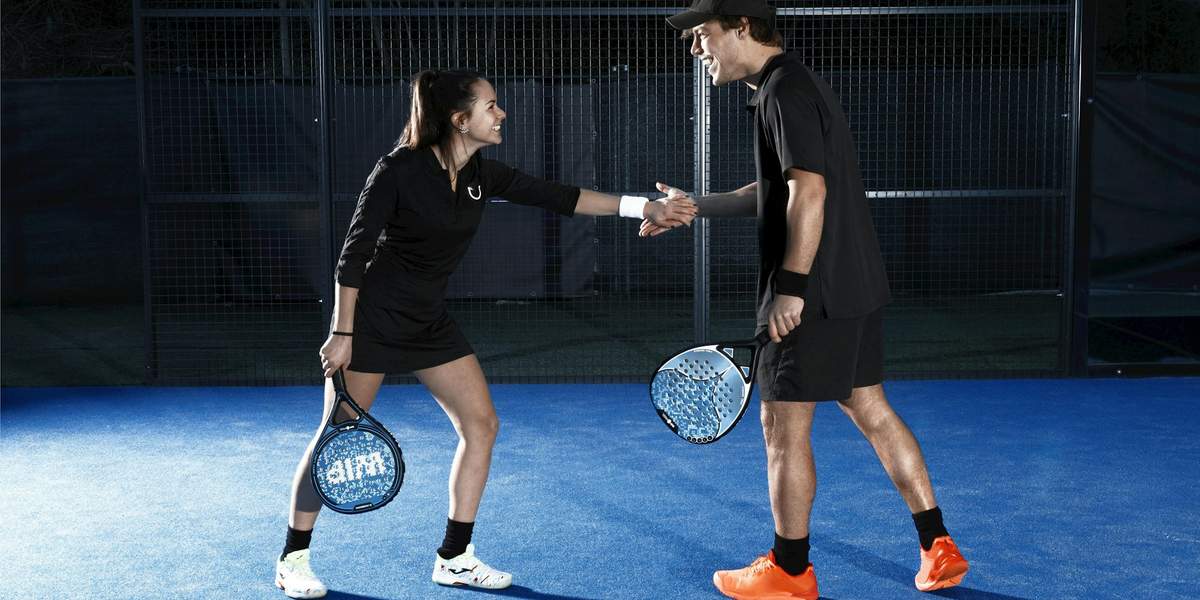
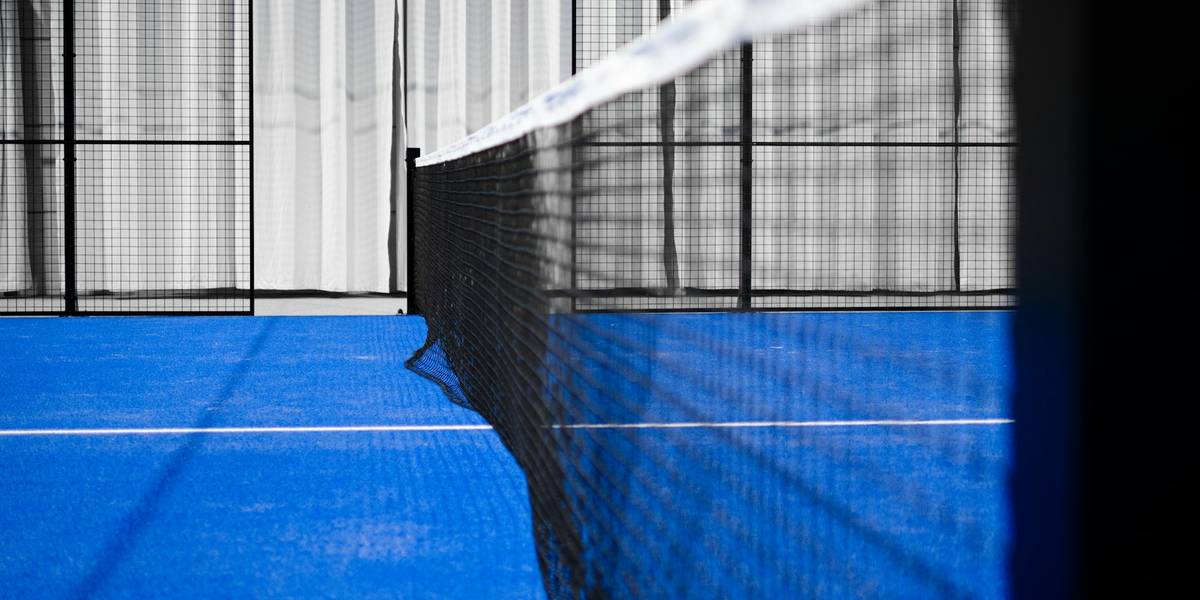
Padel vs racquetball: they are not the same sport, although both are played inside walls. Padel is a doubles game over a net on a 20 x 10 m court with a solid, stringless racket and a pressurized ball, and the walls are used after the ball bounces. Racquetball is a no-net game in a sealed 40 x 20 x 20 ft box with a strung racquet and a fast hollow rubber ball, and the ceiling is live. Racquetball players often find padel’s walls familiar and its pace friendlier.

This guide compares the courts, equipment, serve and scoring, and explains what carries over if you are switching. For other comparisons, see padel vs squash, padel vs paddleball and padel vs pickleball.

Thinking of trying padel? A racket and a tube of balls is all you need. See our picks for the best padel rackets for beginners, or start with a value pick such as the Wilson Carbon Force Team.

Padel vs Platform Tennis: What’s the Difference?

Padel vs platform tennis: they are different sports that look alike. Both are played by two pairs on a small, fully enclosed court where the walls stay in play, both use a solid perforated bat instead of a strung racket, and both score like tennis. The big differences are the court and enclosure, the ball, the serve and the season. Platform tennis was invented in Scarsdale, New York, in 1928 as an outdoor winter game, while padel came out of Mexico and Spain and is played year-round, indoors and out.

If you know one and are curious about the other, the rules below are the ones that matter. Platform tennis has long been most closely associated with the New York area and the wider Northeast, where padel is now arriving alongside it. If you are new to padel, start with our complete guide to what padel is.

Thinking of trying padel? All you need to start is a racket and a tube of balls. See our picks for the best padel rackets for beginners and the best padel balls, or start with a forgiving pick such as the Babolat Contact.

Padel Levels and Ratings Explained: WPR, Playtomic and USPA

Padel levels describe how strong a player is, so clubs and apps can put similar players on court together. There is no single national scale in the US. Four systems are in common use and they answer different questions: World Padel Rating (WPR) and Playtomic level estimate your skill from match results, NPRP is a self-rated scale that many clubs use for social play, and USPA and FIP rankings are points tables for tournament players.

This guide explains how each system works, what the numbers mean, and how a beginner can find a sensible starting level. If you have not started yet, our beginner guide to how to play padel is the place to begin.

Short answer for new players: use whichever system your club or booking app uses, be honest about your starting point, and let results move you. Most new players are better off rating themselves low than high. Pair the right level with the right racket using our beginner racket guide.

Padel Accessories Guide: What to Buy Beyond the Racket

Most players start padel with a racket, a tube of balls and a pair of shoes. After that, a short list of cheap padel accessories does more for your game and your kit than another expensive purchase: a racket protector, a fresh overgrip, a cover for the racket, a wristband and, above all, a wrist cord you can trust. This guide ranks them by how much they matter and what to skip.

In a hurry? Start with a racket protector tape, a spare overgrip (our overgrip guide explains which) and a wristband. Everything else can wait.

Padel Balls vs Tennis Balls: What’s the Difference?

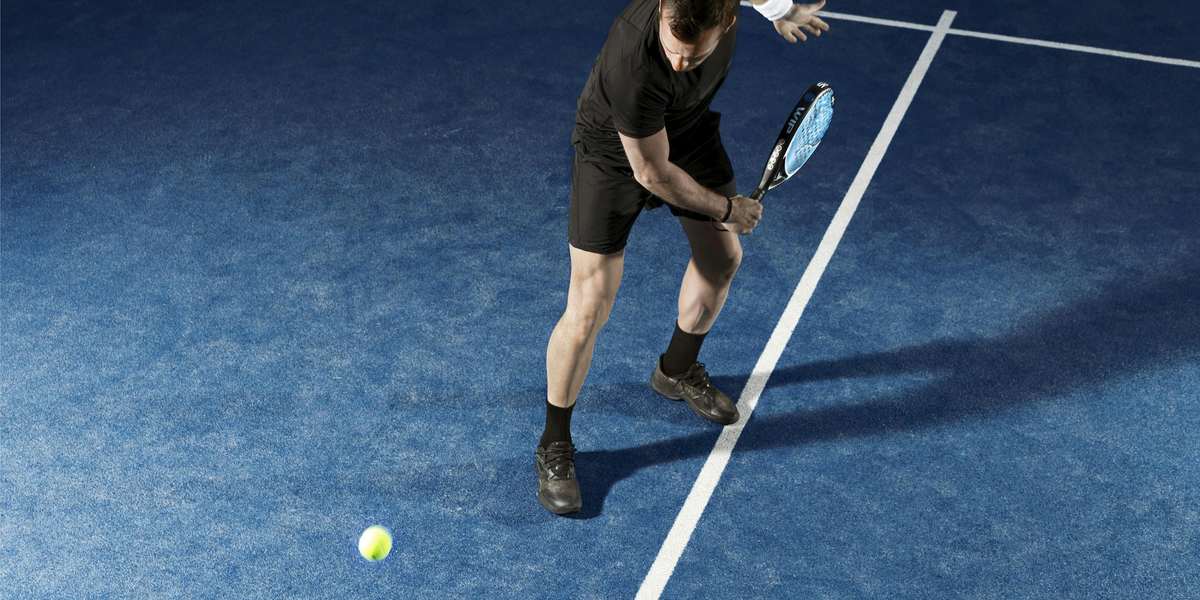
Padel ball vs tennis ball: they look almost identical, but they are not the same ball. A padel ball is a felt-covered pressurized rubber ball that is slightly smaller and held at a noticeably lower pressure than a tennis ball. The two weigh the same and pass almost the same drop test on paper, yet in play a tennis ball feels livelier and comes off the glass faster.

Below you will find the rulebook numbers side by side, what the differences mean on a padel court, and whether tennis balls are a fair substitute. If you just need balls, the best padel balls guide covers every option.

Need padel balls now? The Wilson Premier Padel Speed ball and the Wilson Padel X3 are both widely available in three-ball tubes. Our full guide compares more options.

Best Padel Starter Sets

The easiest way to start padel is to buy everything in one box. A starter set bundles a racket (or two), a few balls and a bag or case, so you can show up to the court ready to play without piecing a kit together. For beginners — and for gifts — it is the simplest, best-value way in.

We’ve picked the best padel starter sets on Amazon for every situation: a complete kit for one player, a proper two-racket set for couples and friends, the cheapest value 2-pack, and a step-up racket-and-bag combo. Every set below is beginner-friendly and in stock.

In a hurry? The Hikeen set is the best all-in-one for one player, the Franklin Axel set is the best pick for two, and the Jouryvue 2-pack is the cheapest way to get a pair playing. Prefer just a paddle? See our best budget rackets.

Best Budget Padel Rackets

You do not need to spend $300 on your first padel racket — and most beginners shouldn’t. The US padel boom has filled Amazon with capable carbon paddles for $30–$90, and a forgiving budget racket is genuinely the smarter choice while you are still learning the swing. The trick is knowing which cheap rackets play well and which are toys.

We’ve picked the best budget padel rackets across two groups: the value-leading Amazon-native carbon paddles that dominate the best-seller lists, and the most affordable frames from real brands (Adidas, Babolat, Wilson) for players who want a known name. Every pick below is forgiving, beginner-friendly and available on Amazon.

In a hurry? The GRANDCOW is our best all-round budget pick, the SportsBlue is the cheapest carbon paddle here, and the Adidas Drive is a good-value pick from a major brand. Want the full picture? See our best padel rackets roundup, or grab a complete padel starter set.

Padel Rules: The Complete Guide to Scoring, Serving & Wall Play

Padel rules are refreshingly simple — if you have ever watched tennis, you already know most of them. The scoring is identical, and the few things that make padel different (an underhand serve, and the fact that you can play the ball off the glass walls) are exactly what make it so much fun and so easy to pick up. This is the complete, beginner-friendly guide to how padel works, based on the official International Padel Federation (FIP) rules.

The 30-second version: padel is played as doubles, scored exactly like tennis (15–30–40–game), the serve is underhand and diagonal, and the ball stays live off the glass walls. New to it all? See what padel is, the padel court explained, and how to play. For the deciding-point formats, see the golden point and the padel tiebreak.

What Is a Padel Court? Size, Dimensions & Layout Explained

A padel court is the most distinctive thing about the sport — a fully enclosed glass-and-mesh box, exactly 20 metres long by 10 metres wide, where the walls are part of the game rather than just a boundary. If you have only ever watched, the size and layout can be confusing, so here is the complete breakdown: official dimensions in both metres and feet, net and service-line measurements, what the glass and mesh walls do, and how a padel court compares to a tennis or pickleball court.

Every figure below follows the International Padel Federation (FIP) regulations, which set the standard for clubs and tournaments worldwide.

The short version: a padel court is 20 m × 10 m (about 65.6 × 32.8 ft), enclosed by 3–4 m glass and mesh walls, with a net 0.88 m high at the centre. New to the game? Start with what padel is and how to play, then find a court near you in the US.