What Is the Pro Padel League (PPL)? Teams, Champions & 2026 Season

The Pro Padel League (PPL) is North America’s first professional padel league: a city-based, franchise team competition launched in 2023 and built on the model of US pro sports leagues like the NBA and Major League Soccer. By 2026 it has grown to 10 franchises across the US, Canada and Mexico, attracted celebrity owners from Frances Tiafoe to polo icon Nacho Figueras, and closed a $15 million funding round. Here is how the league works, who plays in it, who has won it, and how to follow the 2026 season.

Padel vs Pickleball: What’s the Difference?

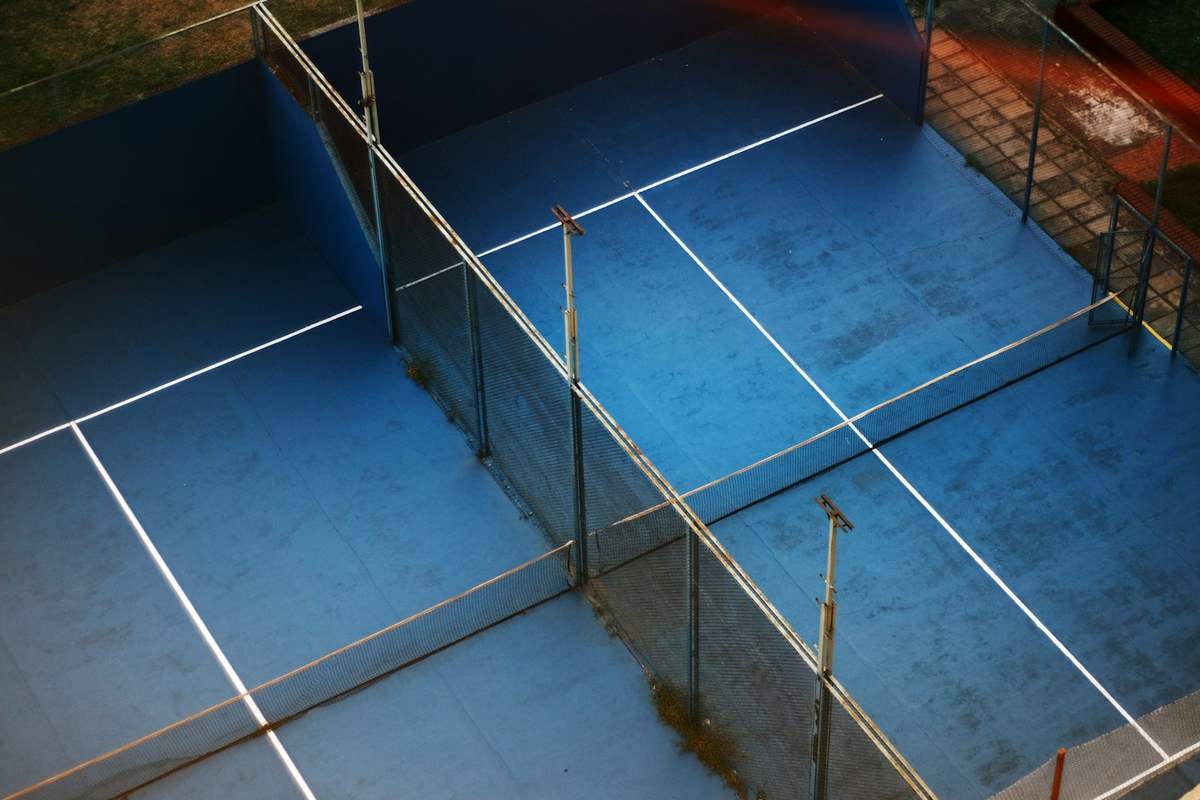
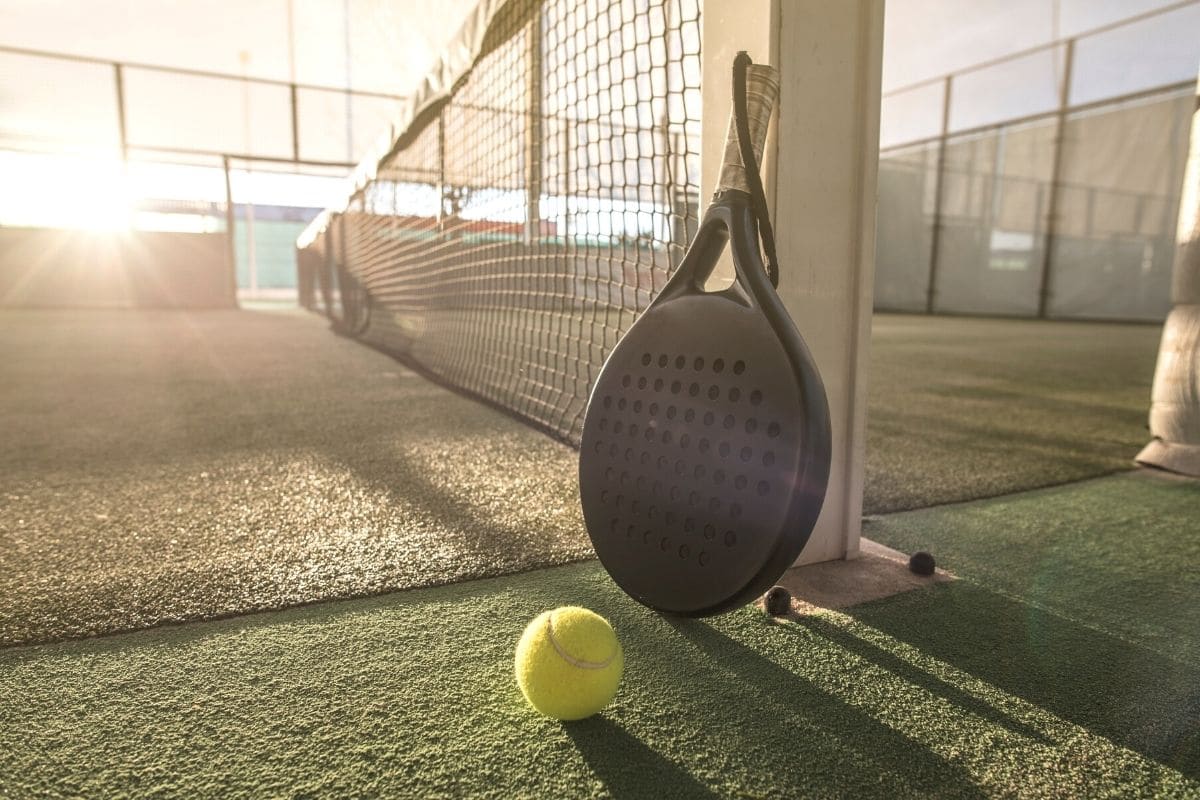
No, padel and pickleball are not the same sport. Padel is played on an enclosed glass court where the walls are in play, with a stringless racket and a ball much like a tennis ball. Pickleball is played on a small open court with no walls, using a solid paddle and a hard, perforated plastic ball. They look similar at a glance and are both doubles-friendly and beginner-friendly, but they play completely differently.

Both are exploding across the US right now, which is exactly why people mix them up. This guide breaks down every difference that matters, the court, the racket and paddle, the ball, the rules, the learning curve, the workout, and which is more popular, so you can decide which one to play (or whether to play both).

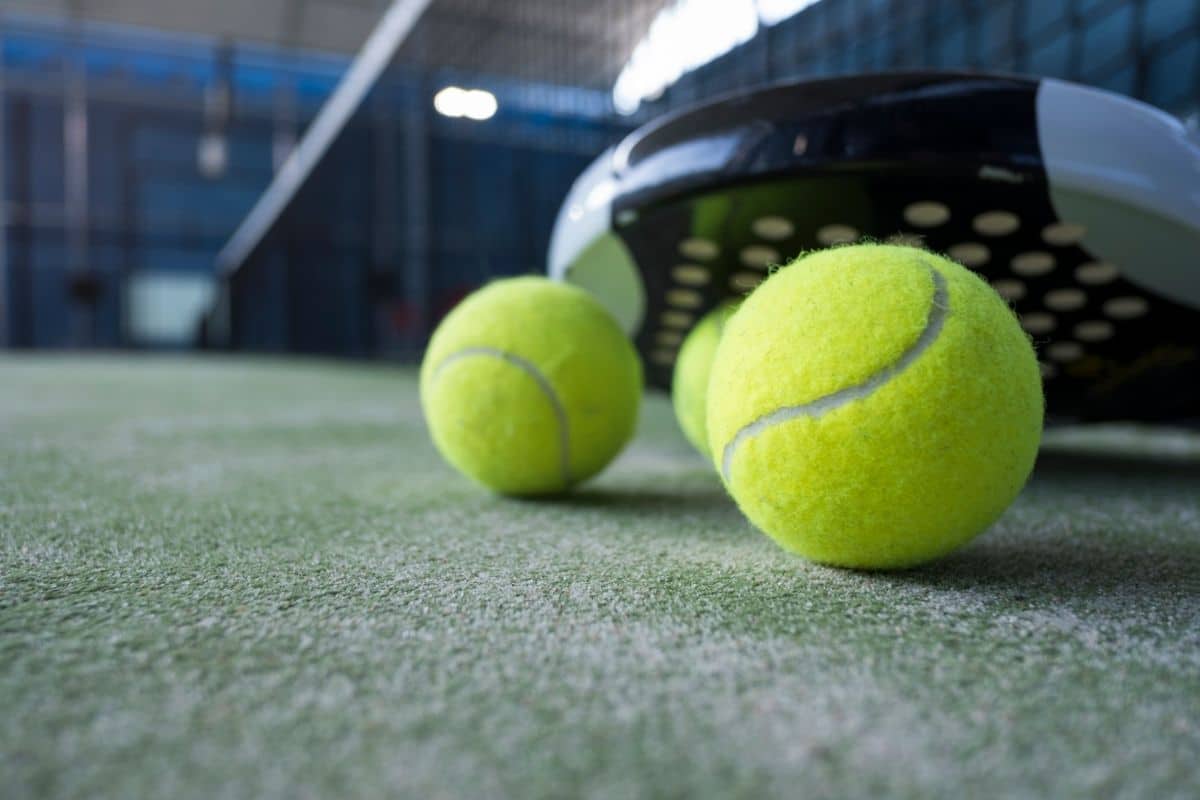
Thinking of trying padel? All you need to start is a racket and a tube of balls. See our picks for the best padel rackets for beginners and the best padel balls — or grab a control-focused, round-shape pick like the Babolat Contact.

Best Padel Racket Bags

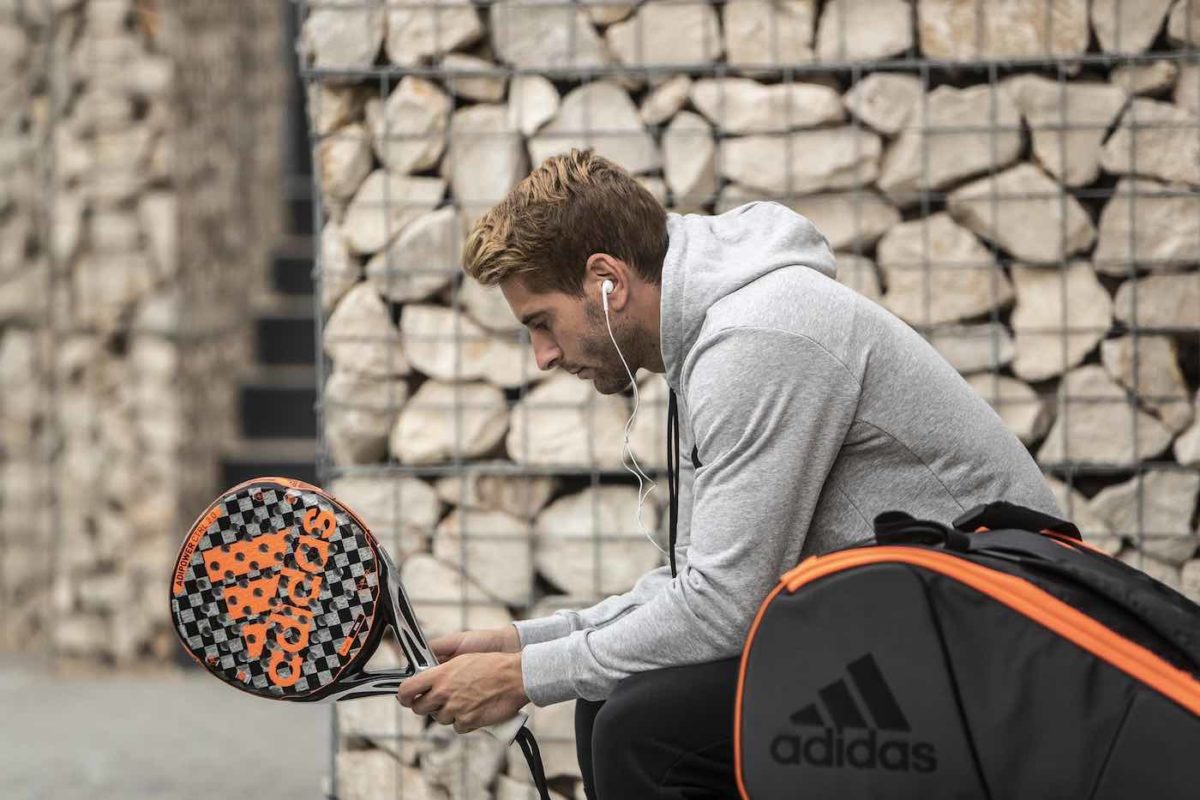
A padel racket bag is the tour-style holdall that carries and protects everything — several rackets, shoes, balls and kit — usually with a thermal compartment that shields your paddles from the heat of a car trunk or a cold winter session. It is the bag for committed players, coaches and anyone who travels to tournaments.

Below are the best padel racket bags on Amazon US, followed by what actually matters when you choose one. Want something lighter to wear on your back? See our best padel backpacks guide.

In a hurry? The NOX Luxury Master Series is our best all-round racket bag thanks to its thermal protection, while the Head Tour Padel Bag is the best value for capacity. Prefer a lighter pack to wear on your back? See our best padel backpacks guide.

Padel Clothes: What to wear on the Padel court

Skills and technique are indeed what makes padel interesting. They are the best weapons every padel player brings.

But did you know that padel clothing in tournaments also matters?

Not only does it boost your confidence and self-esteem. It also helps you feel comfortable and ready for the tournament.

Clothing is meant to help players move easily and quickly. Hence, in choosing your attire, it’s vital to select garments that are appropriate for padel. 

If you’re clueless about what suitable clothing you must add to your shopping list, worry not! 

We’ll recommend GREAT options that will surely make you feel comfortable to ace the best performance.

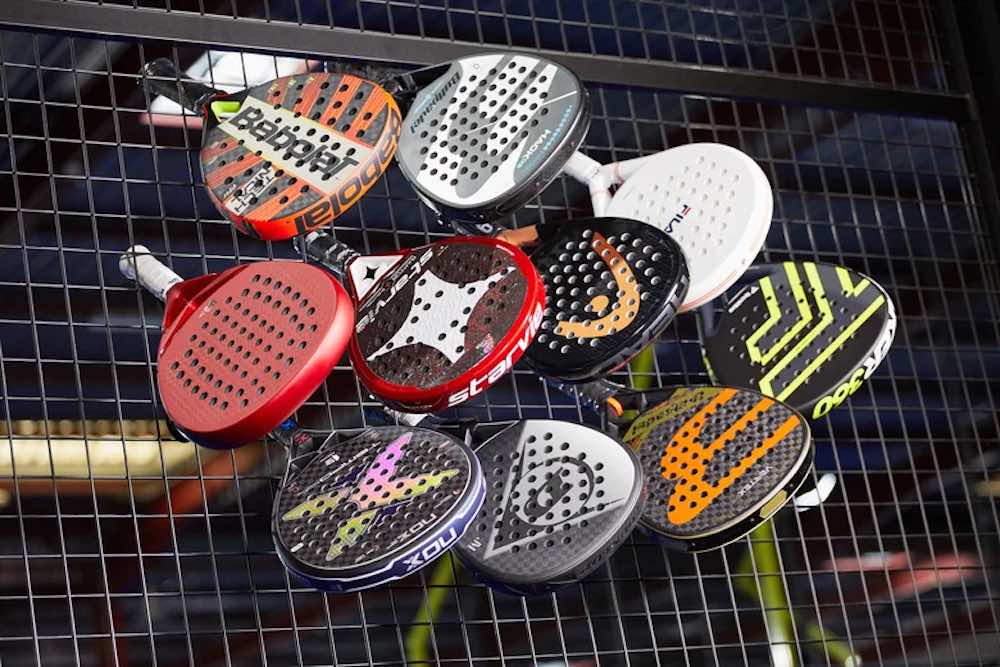
The 6 Best Padel Racket Brands for Amateur Players

Amateur padel players don’t need to pay $400 for a pro-tour signature racket. What they need is a racket from a brand that engineers specifically for amateur play — one that builds in forgiveness, comfort, and durability without compromising on the materials that make padel rackets actually work.

Six brands consistently deliver the best amateur padel rackets in the US market. We’ve researched their amateur-friendly offerings across major retailers — and picked the racket each brand makes that best fits a club-level amateur game.

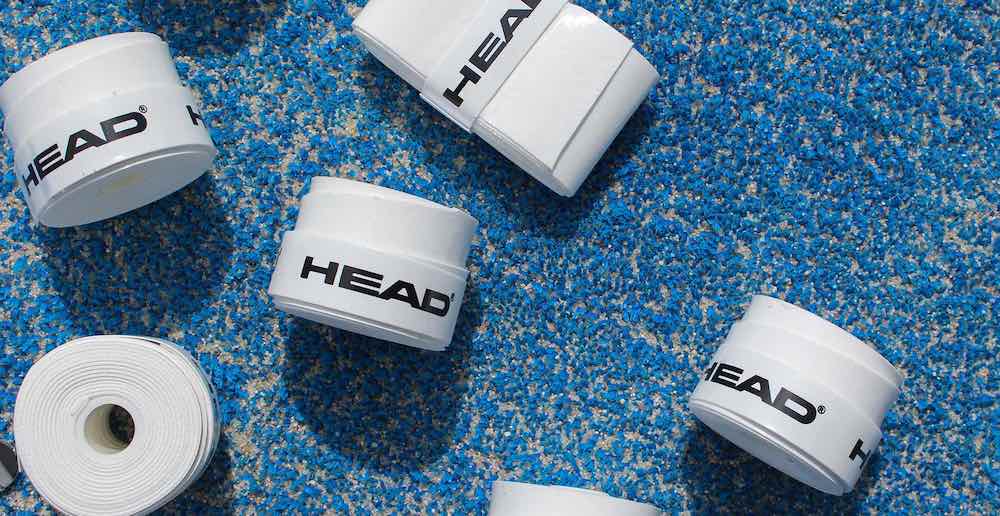
What is the Best Grip for a Padel Racket?

There are many accessories for padel rackets — including grips. The handles on padel rackets already come with a grip; “the undergrip”.

However, you can add an overgrip or undergrip to make them more comfortable, which can help improve your padel play!

  • Overgrips go over the existing padel grip and help the racket fit more comfortably into your hand. Overgrips are more common to change, so it’s important that you understand what a padel overgrip is and when you should change it, and how it can help your skill.
  • Meanwhile, undergrips go under the existing padel grip and absorb vibrations.

Alongside these, it’s vital to know how to change your padel grip as well.

But in this article, we’ll talk about what the best grip for your padel racket is!

The 5 Best Padel Rackets for Advanced Players

Advanced padel players need rackets that match their game — heavier, more head-balanced, more power-driven than what beginners or intermediates should be using. The wrong racket at this level isn’t just suboptimal; it actively holds back the kind of shots that make advanced play look easy.

We’ve researched the top advanced padel rackets across the US market — comparing what’s available across major retailers — and picked the five that consistently deliver for tournament-level players. All are available on Amazon US. For the full picture across every level and brand, see our best padel rackets guide.

Best Dunlop Padel Rackets

Dunlop brings serious racket-sport heritage to padel, and its range is a quietly sensible one — strong on value and easy-to-play frames, with a genuine carbon flagship in the Aero-Star at the top. It is a brand that rewards players who care more about how a racket plays than whose name is on it.

Below we break the current Dunlop line-up down by what each racket is actually best for — power, control, all-court versatility and value — so you can match a paddle to your level and style rather than guessing.

In a hurry? The Dunlop Rapid Power 4.0 is our best all-round pick for club players, while the Aero Star Pro Light is the best-value choice for a beginner. Not set on Dunlop? See our full best padel rackets roundup across every brand.

The Different Shots of Padel Explained

Padel is one of the fastest-growing sports in the United States right now — and for good reason. It’s social, strategic, and wildly fun. But if you want to hold your own on court, you need to understand the different padel shots and what each one actually does. Whether you’re picking up a racket for the first time at a new club in Miami or Austin, or you’ve been playing tennis for years and want to make the switch, this guide breaks down every padel shot you’ll need — from the basic serve to the tricky vibora.

Padel is different from tennis in one crucial way: the walls are in play. That means shots that would be out in tennis — balls bouncing off the back glass, off the side panels — are completely legal here. That single rule transforms every shot into a multi-dimensional decision. You’re not just hitting a ball over a net; you’re thinking about where it bounces, how it comes off the glass, and what angle it creates for your opponent.

Let’s go through every padel shot you need to know, how to execute it, and when to pull it out of your bag.

Most Common Padel Injuries: Prevention, Recovery & When to See a Doctor

Padel is easier on the body than tennis, but it’s not injury-free. The rapid changes of direction, the walls forcing awkward body positions, and the volume of overhead shots all take a toll over time. Most padel injuries are preventable with warm-ups, proper technique, and the right gear – but the common ones still come up at every club.

The most common padel injuries are ankle sprains, tennis elbow (“padel elbow”), shoulder strains (especially from smashes and bandeja shots), knee injuries, lower back strain, and calf strains. Most are caused by poor warm-up, bad technique, or worn-out equipment (especially shoes). The good news is they’re almost all preventable with a proper 10-minute warm-up, decent padel shoes with a fishbone sole, and taking time to learn good shot mechanics.

This guide covers the seven most common padel injuries, their symptoms, how to prevent each one, realistic recovery timelines, and when you should see a doctor rather than keep playing through it.