Padel Rules: The Complete Guide to Scoring, Serving & Wall Play

Padel rules are refreshingly simple — if you have ever watched tennis, you already know most of them. The scoring is identical, and the few things that make padel different (an underhand serve, and the fact that you can play the ball off the glass walls) are exactly what make it so much fun and so easy to pick up. This is the complete, beginner-friendly guide to how padel works, based on the official International Padel Federation (FIP) rules.

The 30-second version: padel is played as doubles, scored exactly like tennis (15–30–40–game), the serve is underhand and diagonal, and the ball stays live off the glass walls. New to it all? See what padel is, the padel court explained, and how to play.

What Is a Padel Court? Size, Dimensions & Layout Explained

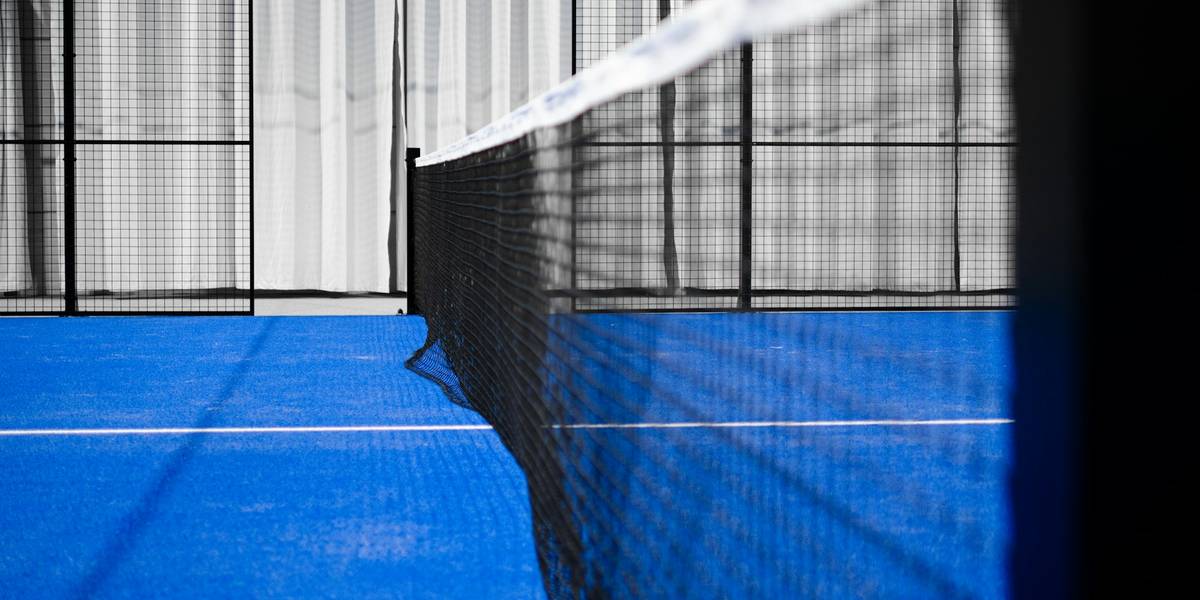
A padel court is the most distinctive thing about the sport — a fully enclosed glass-and-mesh box, exactly 20 metres long by 10 metres wide, where the walls are part of the game rather than just a boundary. If you have only ever watched, the size and layout can be confusing, so here is the complete breakdown: official dimensions in both metres and feet, net and service-line measurements, what the glass and mesh walls do, and how a padel court compares to a tennis or pickleball court.

Every figure below follows the International Padel Federation (FIP) regulations, which set the standard for clubs and tournaments worldwide.

The short version: a padel court is 20 m × 10 m (about 65.6 × 32.8 ft), enclosed by 3–4 m glass and mesh walls, with a net 0.88 m high at the centre. New to the game? Start with what padel is and how to play, then find a court near you in the US.