

Most players start padel with a racket, a tube of balls and a pair of shoes. After that, a short list of cheap padel accessories does more for your game and your kit than another expensive purchase: a racket protector, a fresh overgrip, a cover for the racket, a wristband and, above all, a wrist cord you can trust. This guide ranks them by how much they matter and what to skip.
In a hurry? Start with a racket protector tape, a spare overgrip (our overgrip guide explains which) and a wristband. Everything else can wait.
Padel accessories at a glance
Cost is shown as a tier so the table stays accurate when prices move: low is a few dollars, medium is a few tens of dollars, and high is a real outlay.
| Accessory | Why it matters | Priority | Cost |
|---|---|---|---|
| Overgrip | Secure grip, sweat control and handle thickness | Essential | Low |
| Wrist cord | Required in official play and protects players nearby | Essential | Comes with the racket |
| Racket protector tape | Stops the frame chipping on glass, floor and fence | High | Low |
| Racket cover or bag | Protects the racket in transit | High | Medium |
| Eye protection | Guards against ball and racket impact | Recommended | Medium |
| Wristband | Keeps sweat off the handle | Nice to have | Low |
| Ball pressurizer | Slows the loss of pressure in opened balls | Optional | Medium |
| Ball machine | Solo practice with a feeder | Skip for now | High |
Overgrips: the accessory you will buy most
An overgrip is the thin, tacky wrap you put over the handle. It is the cheapest accessory and the one that wears out first, and it changes how the racket feels in your hand more than any other. Change it when it gets slick or starts to peel. Our guide to overgrips and when to change them covers the top options, undergrips, overgrips and grip size explains how they differ, and the step-by-step grip tutorial shows how to fit one.
Racket protector tape
Protector tape is a strip of clear, textured tape along the outer edge of the racket head. Padel frames scrape the floor, the glass and the fence far more than a tennis racket does, and without protection the paint chips and the carbon underneath can start to fray. A protector costs very little next to the racket it shields.
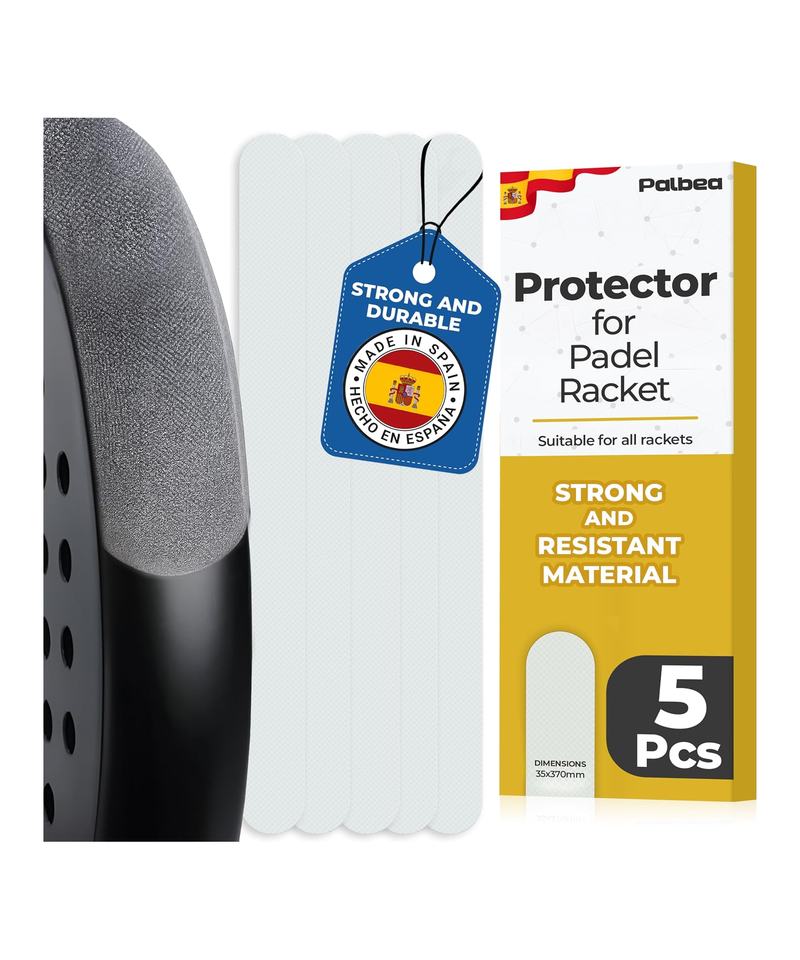
Why it wins: A low-cost, padel-specific protector that shields the frame from scrapes without much added weight. (~$10)
- Clear tape with a rough micro-grid texture
- Sold in packs of 1, 2, 3 or 5
- Listed at about 7 g in weight
- Removable and replaceable
The rulebook allows items stuck to the racket when they limit deterioration, reduce vibration or distribute weight, and a protector fits the first of those. The tape adds a few grams to the head, so on a very head-heavy racket apply it and check the feel before a match.
How to fit it
- Clean and dry the frame edge so the tape sticks
- Start at the throat and press the tape along the top of the head
- Smooth out bubbles as you go, with no gaps at the ends
- Replace it when it lifts, cracks or wears through
Racket covers and bags
A cover protects one racket for the walk to the court, and a bag carries the rest of your kit. If you carry a single racket and a tube of balls, a cover is enough. If you carry shoes, clothes and a second racket, look at our best padel racket bags and padel backpacks.
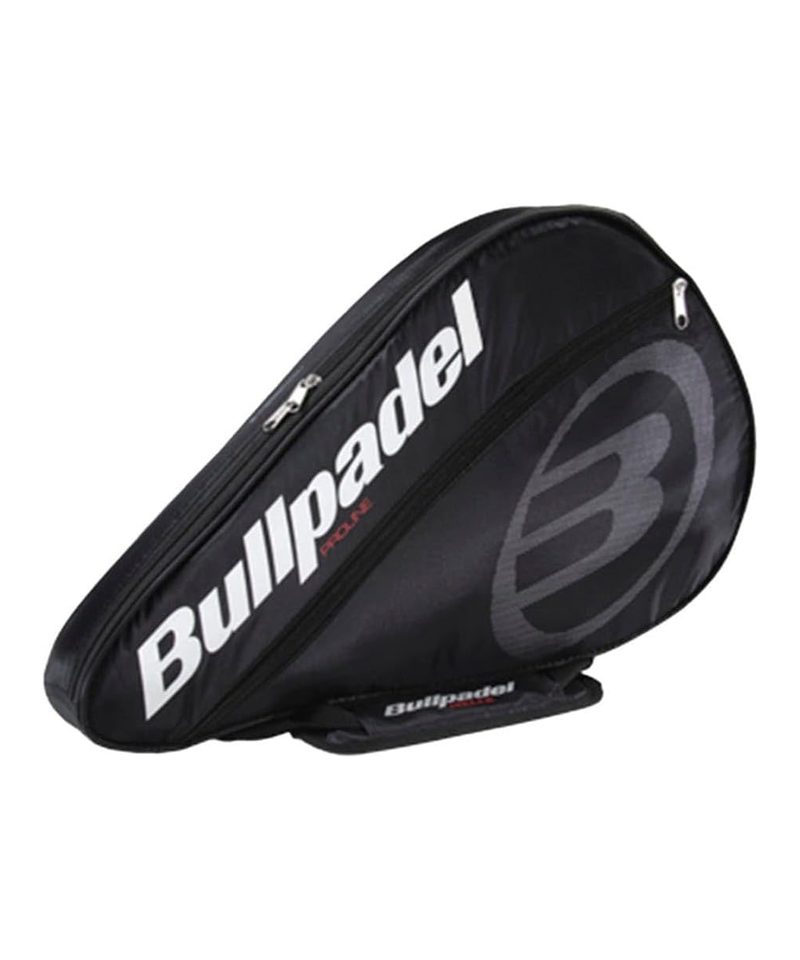
Why it wins: A branded cover that protects the racket on the way to and from the court. (~$29)
- Bullpadel Pro cover in black
- Made from durable materials
- Sized for a padel racket
- Keeps the frame clear of other kit
Wherever you store the racket, keep it out of hot cars. Manufacturers generally advise against leaving rackets in extreme heat, which is hard on foam cores and glue.
The wrist cord: required, and easy to forget
Every padel racket has a short cord fixed to the handle that goes around your wrist. It is not decoration. The international rules require a non-elastic cord of no more than 35 cm, and using it is obligatory in official play. If the cord breaks or you drop the racket during a point, your pair loses that point. Cords wear at the knot and the stitching, so check yours from time to time and read our piece on why you should change racket straps. The full rulebook summary is in our padel rules guide.
Wristbands and sweatbands
Sweat on the handle is the fastest way to lose control of the racket. A pair of wristbands soaks up sweat before it reaches the grip, and they cost a few dollars. Tennis wristbands work perfectly well for padel, and our guide to what to wear on the padel court covers the rest of the kit.
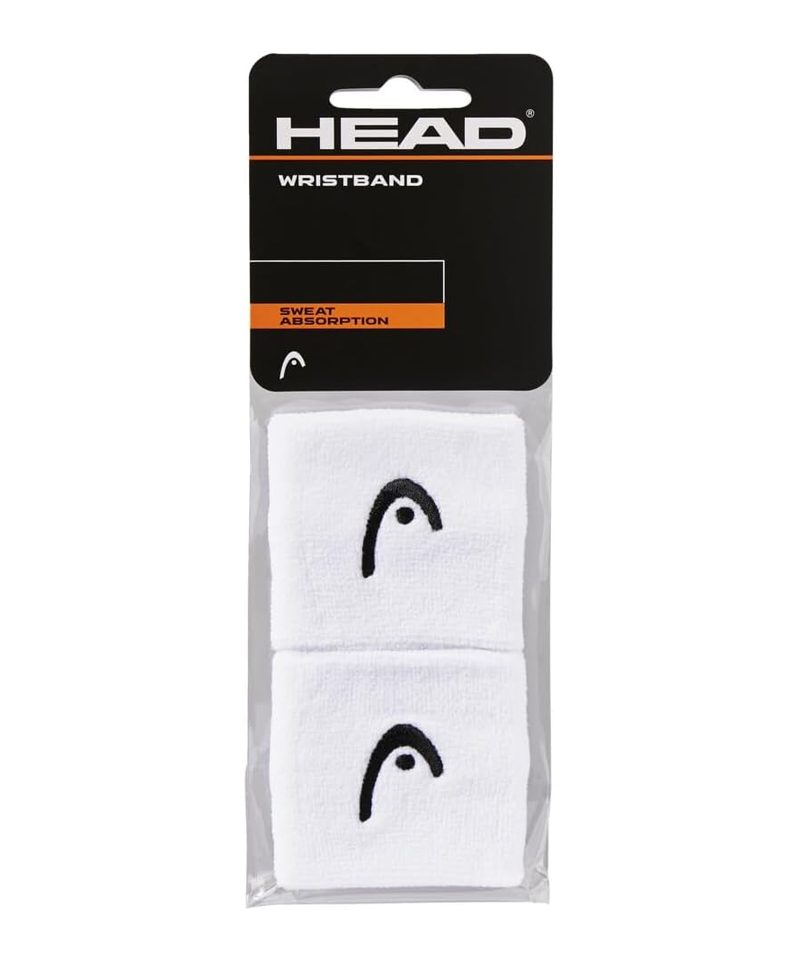
Why it wins: A simple pair of absorbent wristbands that suits padel as well as tennis. (~$7)
- 2.5 inch absorbent wristbands
- Sold as a pair
- Unisex, one size
- Works with any racket
Eye protection
Padel is played in an enclosed space at close range, so the ball and the occasional racket edge can reach your face. Eye protection is the one accessory that guards against a serious injury rather than an annoyance. Our padel glasses guide explains the difference between impact-rated protection and ordinary sunglasses, and which options are actually worth buying.
Ball care and pressurizers
Padel balls are pressurized, and once a tube is open the pressure starts to leak away. A pressurizer holds opened balls under pressure between sessions and can extend their life. Most on the market are designed for tennis balls, so check the fit before you rely on one. Storing opened balls in a cool place and using fresh balls for matches matters more than the gadget. Our guide to padel balls vs tennis balls explains what makes the two different, and our best padel balls guide covers which to buy.
What to skip for now
A padel ball machine is a coaching or club purchase, not a first accessory, and a racket you play with weekly will benefit more from a good protector, fresh grip and a decent cover than from any gadget. Add extras only when you have a specific problem to solve.
The bottom line
Buy an overgrip, a protector and a wristband first, keep your wrist cord in good shape, and add a cover once the racket travels. The rest is optional. If you are still choosing the basics, our padel equipment checklist covers the racket, balls and shoes, and our best padel rackets roundup covers the racket itself.
Frequently asked questions about padel accessories
An overgrip and a working wrist cord are essential. A racket protector, a cover and a wristband are cheap upgrades that protect your equipment and your grip. Eye protection is strongly recommended. Our equipment checklist covers the core kit.
It is not required, but it is worth it. Padel frames hit the floor, glass and fence often, and a strip of protector tape costs far less than a chipped or frayed frame. Some new rackets ship with a strip already fitted.
In official play, yes. The rules require a non-elastic cord of up to 35 cm attached to the handle and worn on the wrist, and a player who breaks the cord or drops the racket loses the point. Club and social games are more relaxed, but you should use it anyway.
Fit a protector tape to the frame edge, keep the racket in a cover or bag, avoid hitting the racket against the glass or floor when you can, and keep it out of hot cars. Check the tape and cord for wear every few sessions.
Some, yes. Wristbands and sweatbands work fine, and overgrips are interchangeable in principle. Protector tape and covers should be made for padel rackets so the shape and size fit, and pressurizers should be checked against padel ball size.
There is no fixed schedule. Replace it when the edges lift, when it cracks, or when you can see the frame through it. Heavy users may need to replace it more often.
They can help if you play with the same balls for weeks, but they are optional. Fresh balls for matches and cool storage matter more, and many pressurizers are built for tennis balls, so check the fit.
In a cover or bag, at room temperature, away from direct sun and hot cars. Avoid leaving it in a damp bag after a session, because moisture and heat are hard on the grip and the frame.

Kevin Anderson is a Content Writer for SimplePadel. He joined the company during summer 2022. For SimplePadel, he spealizes in testing rackets and writes a lot of our padel racket reviews.
Kevin loves to own the net position and considers himself an attacking-minded player. He often claims that he has the reach of a monkey – thanks to his 6’5″ stature. In his spare time, he enjoys cooking and following the USPA closely.