Valid Padel Point or Not? Dubious Padel Points Explained

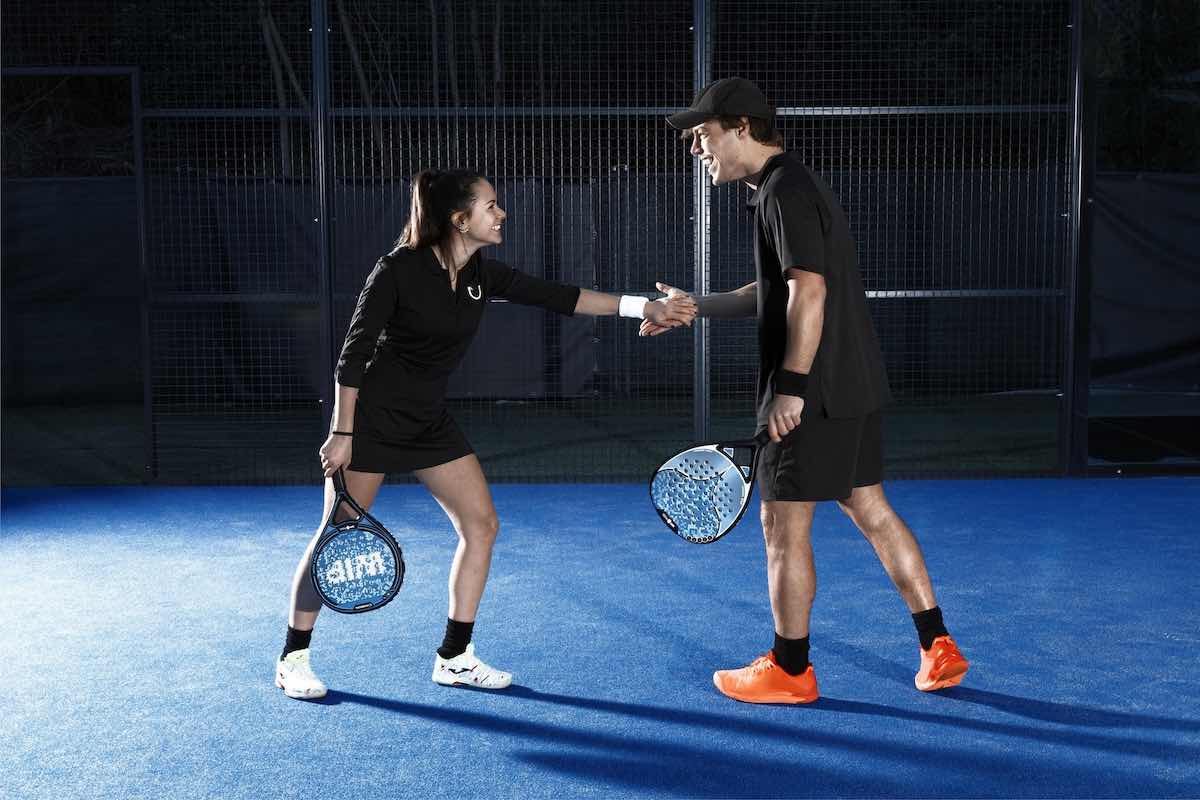
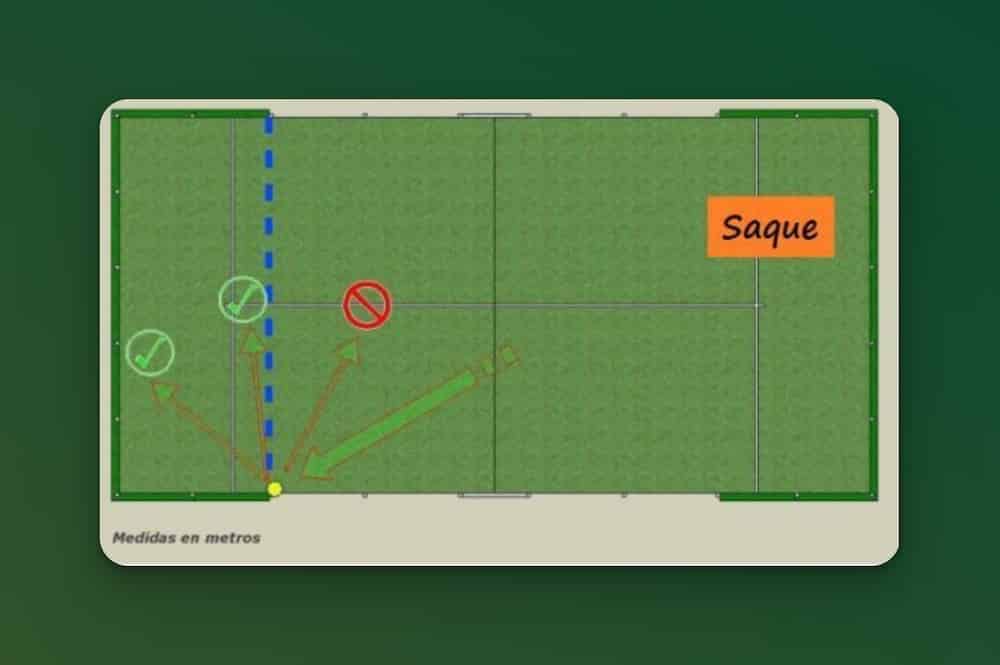
Padel has rules that don’t exist in any other racket sport. Balls bouncing off glass walls and flying back into play, shots leaving through fence openings, players reaching across the net — situations that would be immediately clear in tennis are genuinely ambiguous in padel. As the sport takes off across the US, more players at clubs in New York, Chicago, Miami, and Los Angeles are stepping onto a padel court for the first time and discovering just how different the point-scoring system feels. This guide cuts through the confusion and gives you clear, confident answers to padel’s trickiest situations.

Whether you’re settling a disputed point mid-match or just trying to get your head around the rules before you play, this is the reference you need. For a full introduction to how the game works, start with the complete beginner’s guide to padel.

How to Build a Padel Court

Padel is a major sport worldwide, and it has exploded in popularity across the United States since 2022. Courts are now available in most major cities, including Miami, New York, Los Angeles, Dallas, and Chicago.

Often known as padel tennis, it’s a popular social sport that individuals of all ages and skills may enjoy.

You may be unsure about the best method to follow when planning to create a padel court or start a club. This post will show you how to accomplish it one step at a time — covering everything from permits and planning approvals to choosing the right dimensions, materials, and surface, all the way through step-by-step installation and long-term maintenance.

Padel courts will almost certainly require a building permit. However, this depends on the nation and region. Before you begin, make sure to verify with your local authorities.

Kids Padel: Get them to share your interest in playing Padel

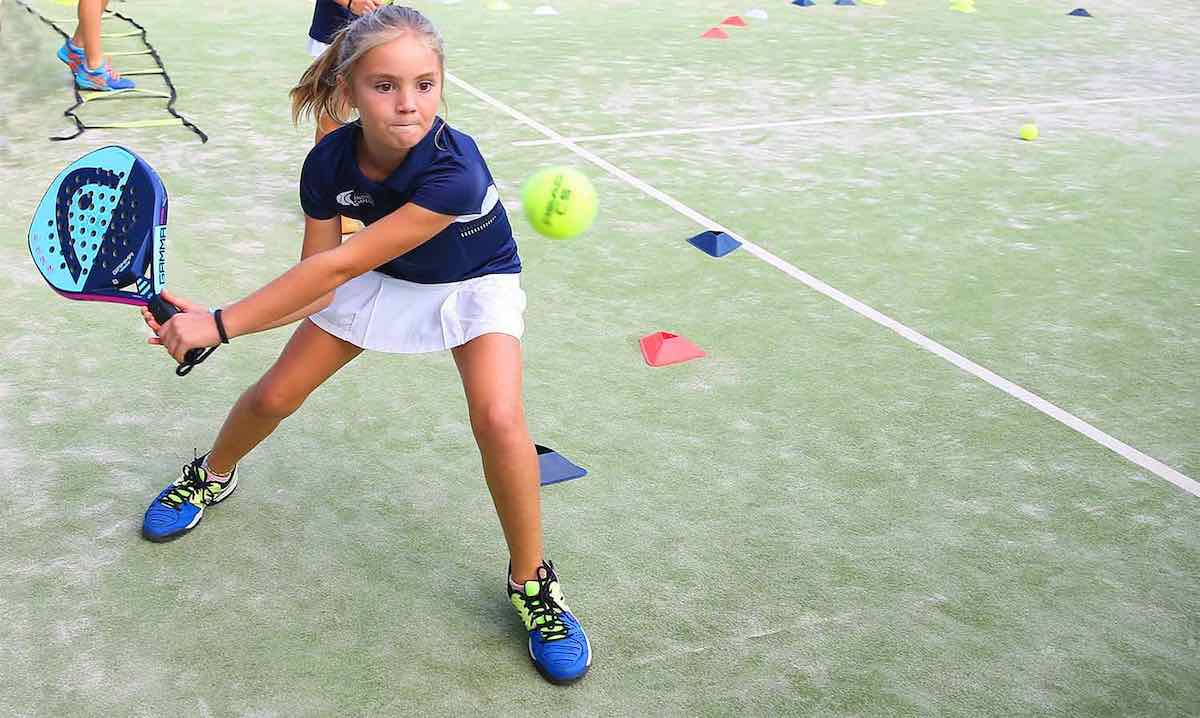
Padel is a competitive sport that helps children learn a new skill, gain confidence and make friends on and off the court.

It brings many benefits like physical coordination and balance and is a fun activity that can boost self-esteem. The question is, what is the best age to introduce children to the sport?

Let’s look go over the basics and benefits of playing Padel. We’ll look at how to find your local padel court, how to motivate children and get them into sports, and the Padel rules for beginners.

How to warm up for Padel (Beginner’s Guide)

You’ve booked the court, you’ve got your racket, and your partner just texted that they’re five minutes away. But before you step into that glass box and start swinging, there’s one thing that separates smart padel players from the ones nursing a shoulder injury by week three: a proper warm-up. With padel growing fast across the US — from purpose-built clubs in New York and Austin to pop-up courts in suburban tennis facilities — more players are learning this lesson the hard way.

Padel is a deceptively explosive sport. The glass walls, the low-bounce ball, and the fast net exchanges mean your body goes from zero to full effort in seconds. Without a proper warm-up, you’re asking cold muscles and stiff joints to handle hard sprints, sudden lateral changes, and overhead smashes. That’s a recipe for an injury that’ll keep you off the court for weeks.

This guide covers everything: the off-court dynamic warm-up you should do before you pick up a racket, the structured on-court ball warm-up, how long to spend on each phase, and what to do at the end to cool down properly. Let’s get into it.

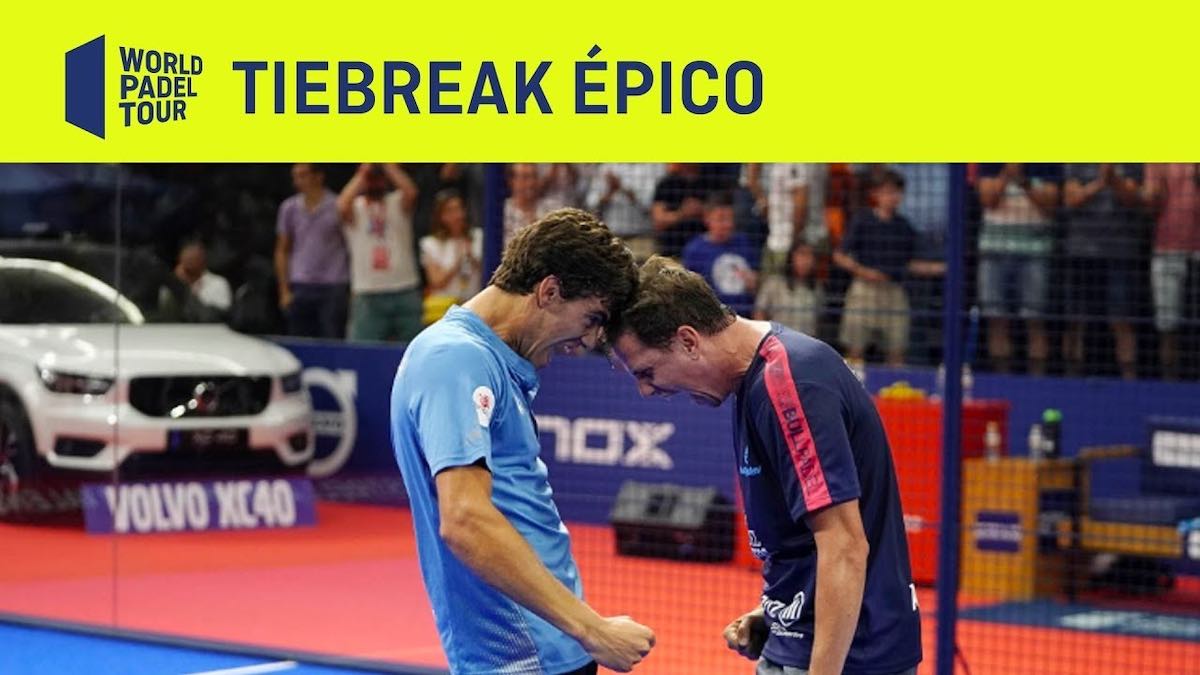
What Is a Tiebreak in Padel?

Padel is highly similar to tennis. There are few distinctions, like how a padel court (33 x 66 feet) is 1/3 of a tennis court.

Tennis is checkers, while padel is chess.

Lee Sponaugle, President of All Racquet Sports

But tennis and padel rules are essentially the same. If you need a full refresher on the basics, check out our beginner’s guide to how to play padel.

Following that, the tiebreak games are also the same. If both teams tie at 6-6 in a set (six games), the tiebreak winner wins with a 7-6 score.

Let’s learn more, shall we?

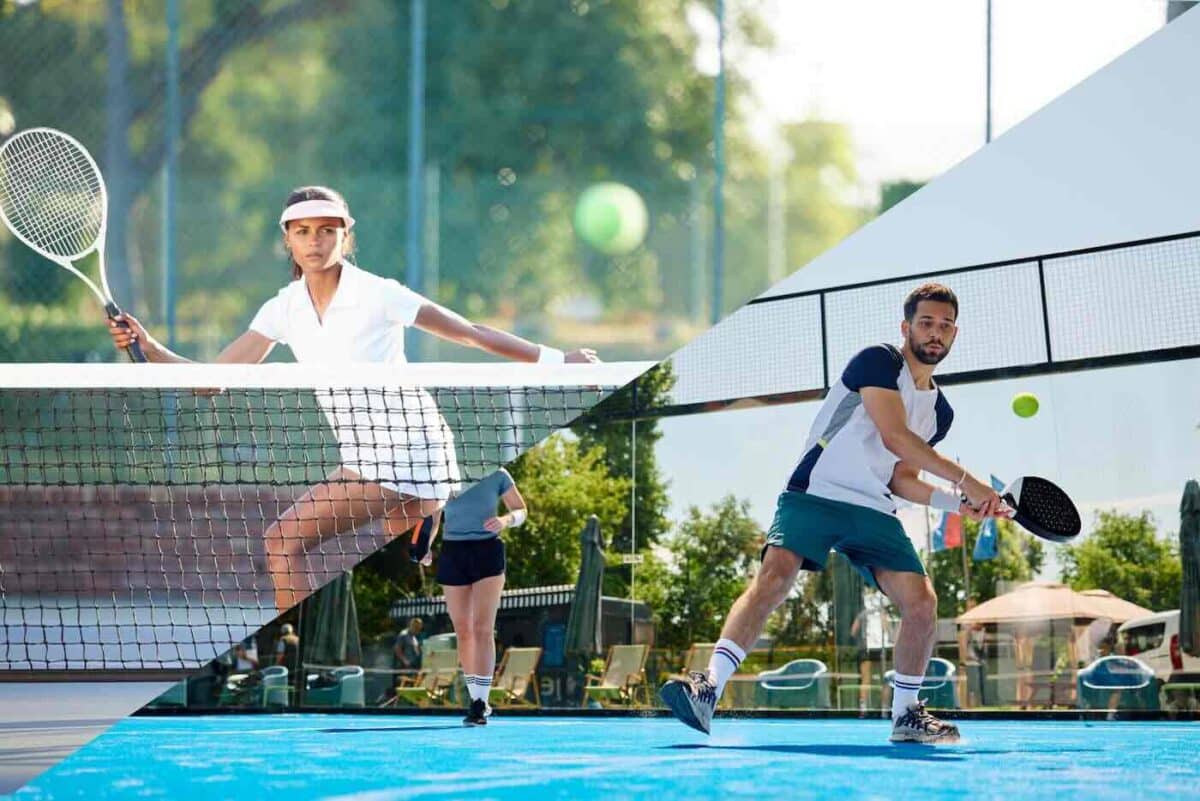
Padel vs Tennis: Key Differences Every Player Should Know

If you come from a tennis background, padel probably caught your eye because it looks familiar. Two sides of a court, a net in the middle, a fuzzy yellow ball. But step onto a padel court and you will quickly realize these are two very different sports. From the enclosed glass walls to the solid rackets, padel has its own identity, its own tactics, and its own learning curve.

In this guide, we break down every major difference between padel and tennis so you know exactly what to expect before your first match.

Sweet Spot in Padel Rackets

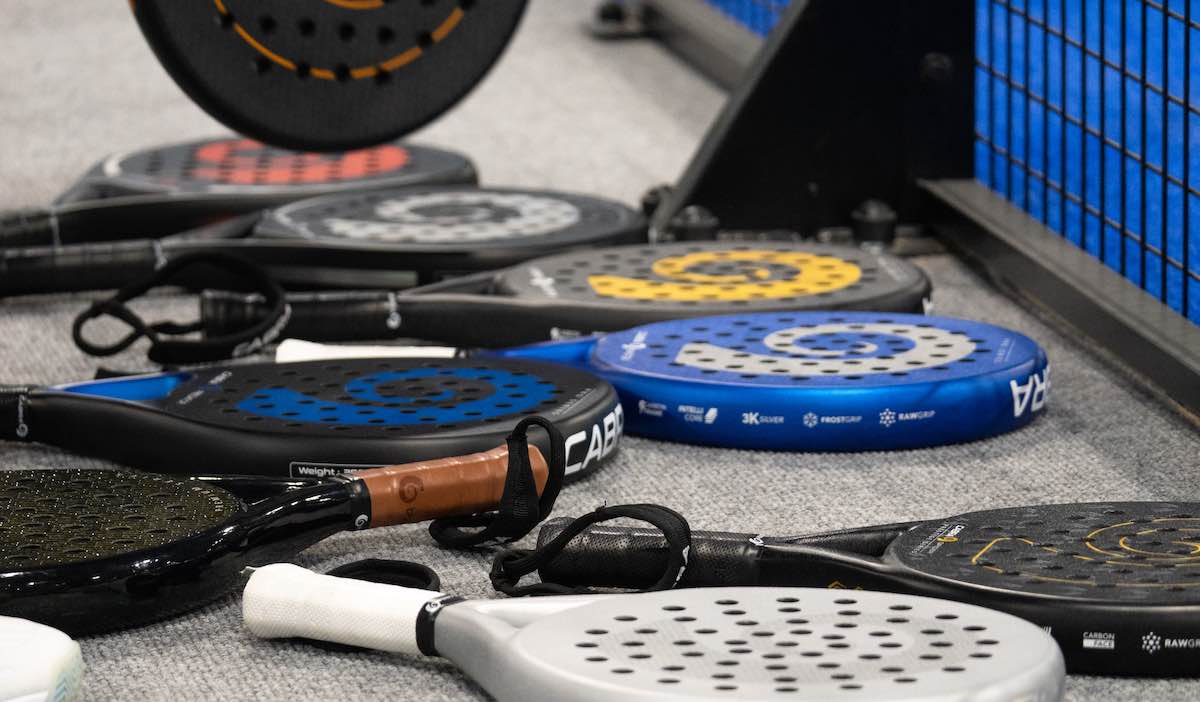
Are you shopping for a new padel racket? Don’t pick up any old padel racket when you walk into the shop!

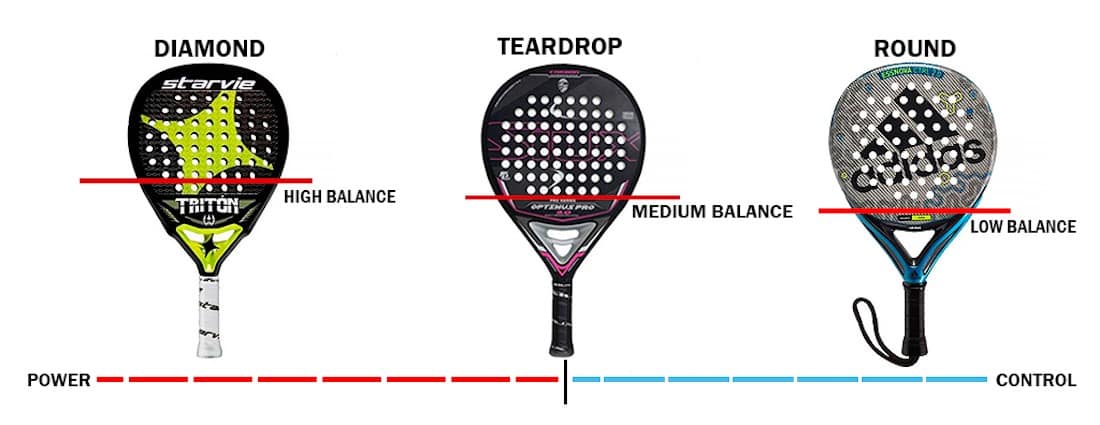
Check the shape of the head first. The shape of the head on a padel racket will determine where its sweet spot is and can give you more control over your shots.

In this article, we’ll break down everything you need to find the perfect padel racket.

When to replace your Padel Racket

Padel tennis rackets are one of the essentials for padel players. The best racket for advanced players is usually made of a carbon fiber racket face, carbon frame, and EVA rubber core. 

Carbon fiber bats offer more power, resistance, and durability. It’s designed for the player to have a good grip plus a nice spin on the ball upon contact. 

On the other hand, beginner padel rackets are made of fiberglass face and frame and a foam core material.

Fiberglass rackets are less resistant and durable compared to carbon fiber bats. Hence, it’s only suitable for occasional practice matches. 

But, no matter what materials were used, your padel tennis racket will eventually lose its shape and show signs of wear and tear.

When the racket loses its shape, it consequently loses its ability to give a good spin and will affect how you play the game. 

Once you feel that it no longer has enough elastic properties to give a powerful blow and start noticing a vibration upon contact, it’s HIGH TIME to change your racket. 

If you don’t know what signs to look for to change padel racket, read on! We’ll explain all these to you in detail.

The Ultimate Guide to Positions in Padel

Positioning is the invisible skill that separates club players who win from club players who struggle — and the good news is it’s entirely learnable. You don’t need a better forehand or a harder smash. You need to understand where to stand, why to stand there, and how to move with your partner as a unit. Master that, and everything else in your game gets easier.

How do you change a Padel Grip? (Quick Tutorial)

Funnily enough, many padel players are beasts on the court with excellent skills and backhand serves — but they don’t know how to change padel overgrips.

It’s understandable, really. Because, in many cases, padel players don’t do it themselves. Or worse, they rarely replace them.

The use of grip sprays and gels is also becoming more common. We recommend the 4on totalgrip spray, it’s an incredible product.

Let’s change that today. You’ll start changing padel overgrips by yourself in no time and see the value of what a fresh padel grip can give you on the court!