
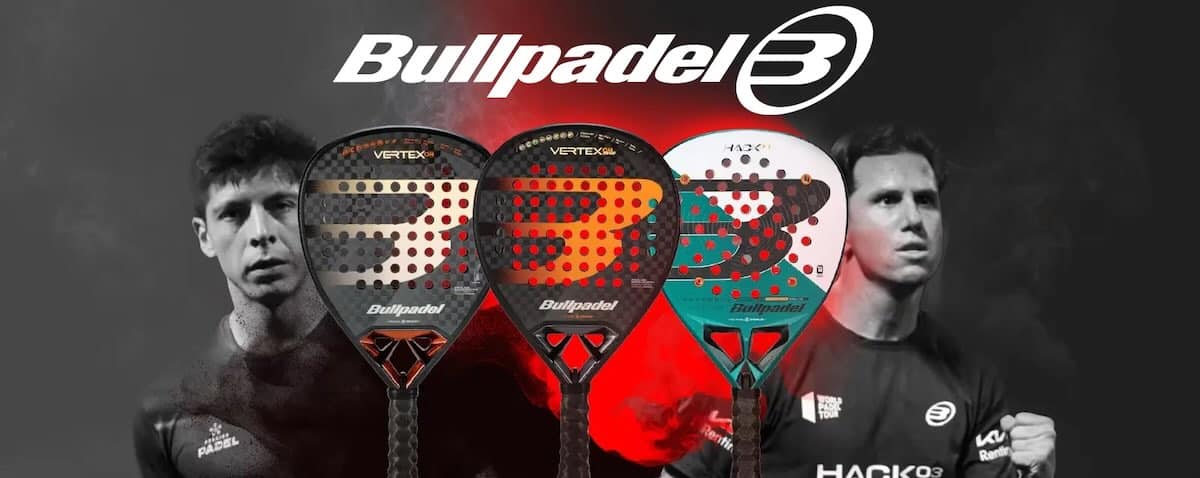
The Bullpadel Neuron is Fede Chingotto’s signature racket — a hybrid-shaped frame with a 3K carbon face and MultiEva core, built for advanced players who construct points with precision rather than brute power.
The Neuron is Bullpadel’s frame for Fede Chingotto, one of the tour’s great point-constructors, and it’s built in his image. A hybrid shape and a medium balance aim for a blend of control and attack, while Bullpadel’s X-Tend Carbon 3K face, MultiEva core and Vibradrive damping give it the dry, precise touch Chingotto favours.
This review covers its build, specs and on-court feel, and who it’s for. See also our best Bullpadel padel rackets guide, or browse all our padel gear reviews.
Bullpadel Neuron at a glance
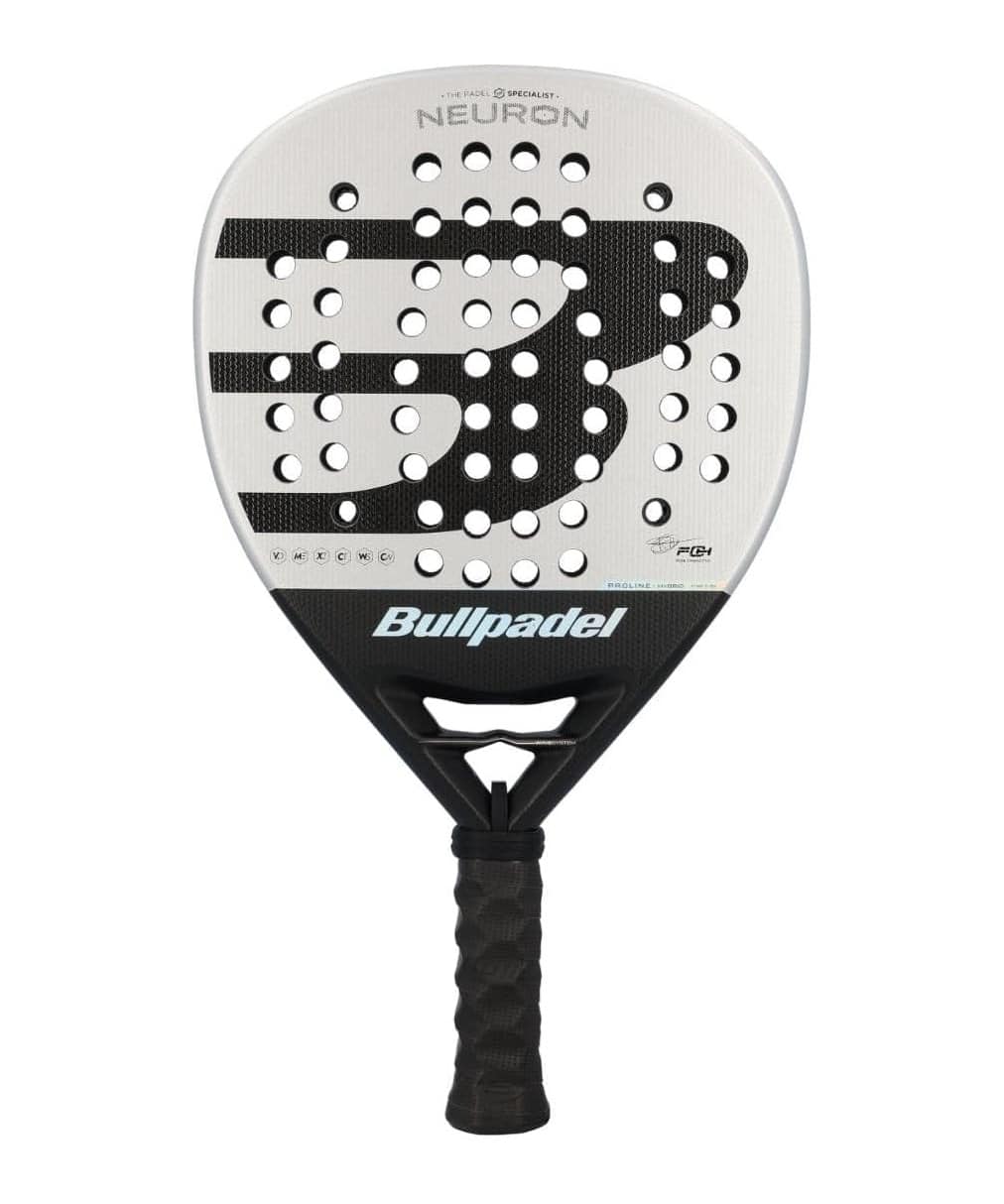
Why it wins: Chingotto’s precise hybrid — a 3K carbon face and MultiEva core give a dry, controlled touch for advanced players who place the ball rather than blast it. (~$200)
- Hybrid shape — control and attack
- X-Tend Carbon 3K face
- MultiEva core + Vibradrive damping
- Medium balance — Fede Chingotto’s racket
Main features of the Bullpadel Neuron
The Neuron is loaded with Bullpadel’s control-and-feel tech:
- Hybrid shape balancing control and attack
- X-Tend Carbon 3K face for a precise response
- MultiEva core for a controlled, dry touch
- Vibradrive + Hesacore for comfort and grip
- Aero Channel + Custom Weight — Fede Chingotto’s frame
Specification of the Bullpadel Neuron
Here are the full specs of the Bullpadel Neuron:
- Shape: Hybrid
- Weight: ~355–375 g
- Balance: Medium (~25)
- Core: MultiEva
- Faces: X-Tend Carbon 3K
- Player level: Advanced
- Type of play: Control / all-round
- Pro: Fede Chingotto
Our review of the Bullpadel Neuron
The Neuron is a point-builder’s racket. The hybrid shape and medium balance give it a controlled, precise feel, and the dry, direct touch from the 3K carbon face and MultiEva core is exactly what a tactical player wants for placing the ball and changing direction. It’s superb on defence and resets.
The trade-off is forgiveness — the sweet spot is on the smaller side, so it rewards clean contact and an advanced level. If you win points by moving your opponents around rather than overpowering them, it’s a brilliant fit; if you want raw smash power, Bullpadel’s diamond Hack or Vertex suit better.
Pros
- Precise, controlled feel
- Excellent on defence and resets
- Dry, direct touch
- Chingotto pedigree
Cons
- Smaller, demanding sweet spot
- Advanced players only
- Not a pure power racket
Who is the Bullpadel Neuron for?
The Neuron is for advanced, tactical players who construct points and value control and touch. Players chasing smashing power should look at the diamond Bullpadel Hack 04 or Vertex 04; see our advanced guide.
How the Bullpadel Neuron plays
On control, defence and resets it’s excellent — precise and dependable for placing the ball.
On smashes there’s pace when you connect cleanly, but the small sweet spot demands good technique.
Bullpadel Neuron vs the alternatives
It’s the control, hybrid alternative to Bullpadel’s power diamonds, the Hack 04 (Paquito Navarro) and Vertex 04 (Juan Tello). Where those finish points with pace, the Neuron builds them with precision.
Is the Bullpadel Neuron worth it?
For an advanced, tactical player who wants Chingotto’s exact control-first frame, the Neuron is worth it — the precise touch and defensive quality are genuinely good. Power players and improvers should look elsewhere in Bullpadel’s range.
Conclusion
The Bullpadel Neuron is a point-constructor’s racket — a precise, controlled hybrid with a dry touch that excels on defence and placement. The smaller sweet spot makes it strictly advanced, but for a tactical player who wins by moving opponents around, it’s one of Bullpadel’s most rewarding frames and a faithful match to Chingotto’s game.
A precise hybrid for tactical players. See how it compares in our advanced padel rackets guide and the full best padel rackets roundup.

Lucas Sánchez is the founder of SimplePadel. Born and raised in Spain, Lucas has been living in the US and UK for the last 20 years and currently calls Miami his home. While he’s never played professionally, the dream is still alive.
Lucas loves nothing more than playing (and talking) about padel, and he considers himself lucky to have a wife and family that share his love for the game.