
Padel has one of the lowest gear barriers of any racket sport — you don’t need expensive equipment to start, and most clubs will lend or rent you the basics for a first session. But knowing what you actually need (versus what you don’t) saves money and stops you turning up without something essential. This guide covers the full beginner kit, what each item does, and a specific pick for every category that’s available on Amazon US.
If you’d rather buy everything in one go, see the best padel starter sets — several bundle a racket, balls and a cover at a combined discount that usually beats buying separately.
Padel equipment checklist
| Item | Essential? | Approx. cost | Notes |
|---|---|---|---|
| Padel racket | Yes | $60–$150 | Your most important purchase — the wrong racket holds you back |
| Padel balls | Yes | $7–$12 / tube | Clubs often supply balls for lessons; buy your own for drills |
| Padel shoes | Recommended | $80–$155 | Court shoes work short-term; padel grip on turf is better |
| Padel bag | Useful | $35–$60 | Protects the racket and carries kit; not essential day one |
| Overgrip | Recommended | $6–$10 | Improves feel, absorbs sweat, easy to swap |
| Wrist strap | Yes — built in | Included | Mandatory for safety — tethers the racket to your wrist |
That last item is worth flagging: padel rackets are solid, not strung, and they fly off the hand with real force if you lose your grip mid-swing. Every racket ships with a wrist lanyard attached — always wear it. It’s a safety rule on most courts, not an optional extra.
1. Padel racket — the most important choice
Your racket decides how the ball feels on contact, how much control you have, and how forgiving the sweet spot is when you mis-hit. For a beginner the priorities are simple: a large sweet spot, a low (head-light) balance, and a forgiving face. Avoid heavy, stiff, diamond-shaped “power” rackets at the start — they punish off-centre hits and slow your development.
- Shape: round-head rackets have the biggest sweet spot — best for beginners. Teardrop is a middle ground; diamond is power-biased for advanced players.
- Balance: low-balance (head-light) rackets are easier to manoeuvre; high-balance adds power at the cost of control early on.
- Core: softer EVA or foam cores are more forgiving and comfortable; hard EVA gives more control but less help on mis-hits.
- Weight: aim for roughly 355–375g for most adults — too heavy and your arm fatigues and your technique breaks down.
Pick: Babolat Contact — best beginner all-rounder
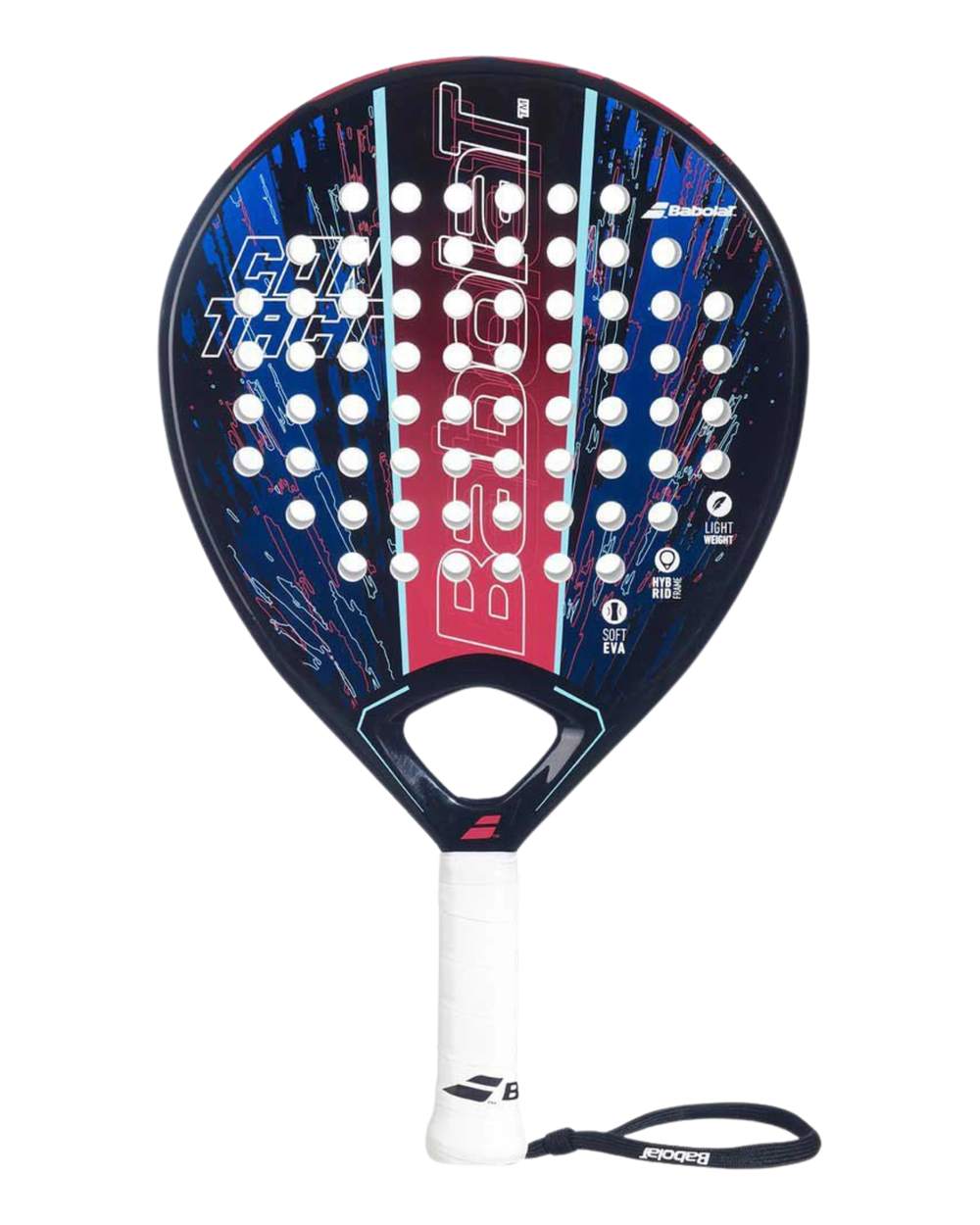
Why it wins: A round-head, low-balance racket from one of padel’s most trusted brands — a big, forgiving sweet spot that flatters a developing game. (~$70–$90)
- Round head for a large, forgiving sweet spot
- Low balance — easy to manoeuvre and react with
- Carbon frame for durability at the price
- Holds resale value if you upgrade later
The Babolat Contact is a dependable first racket. The round head gives you a big sweet spot so off-centre hits still land where you intend, and the low balance keeps it feeling light through long rallies. It’s the racket to reach for if you want one trustworthy choice and no overthinking.
Also consider: Wilson Carbon Force Team
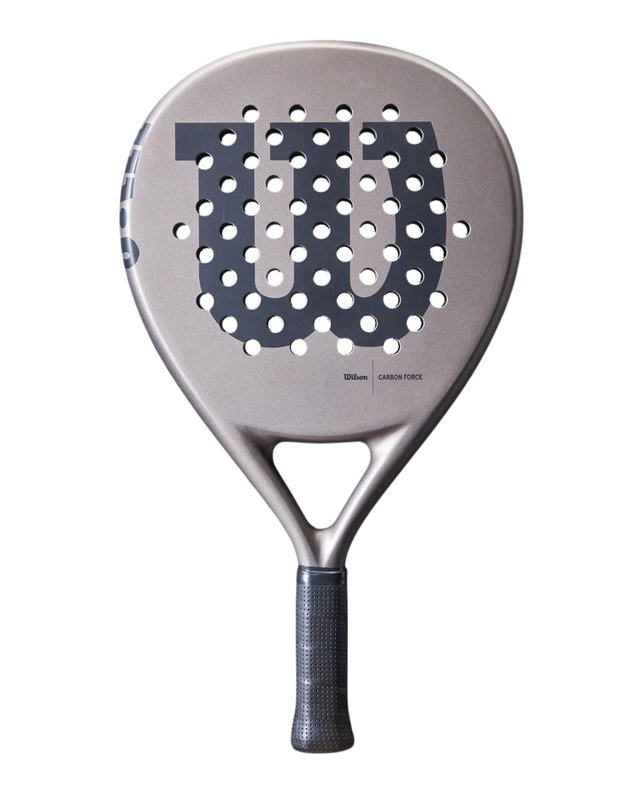
Why it wins: A control-friendly carbon racket a small step up from entry level — a good shout if you want a touch more frame quality without paying flagship money. (~$99)
- Carbon frame at a mid-range price
- Round head for sweet-spot consistency
- Balanced feel suits control-first players
- A natural step up from pure entry level
2. Padel balls — what to know
Padel balls look like tennis balls but are pressurised slightly differently — a touch less than tennis balls — which gives a lower, more controllable bounce. That matters because padel balls constantly come off walls, and a controllable bounce keeps rallies playable. Using tennis balls on a padel court produces a bouncier, harder-to-control game that doesn’t represent real padel, so it’s worth using the right ball even for casual hits.
- Sold in pressurised tubes of three, exactly like tennis balls.
- They lose pressure faster in cold weather — buy fresh rather than stockpiling tubes.
- Most clubs provide balls for organised sessions; you mainly need your own for informal drills and matches.
- HEAD, Wilson, Bullpadel and Dunlop all make padel-specific balls available in the US.
Pick: HEAD Padel Pro S Balls
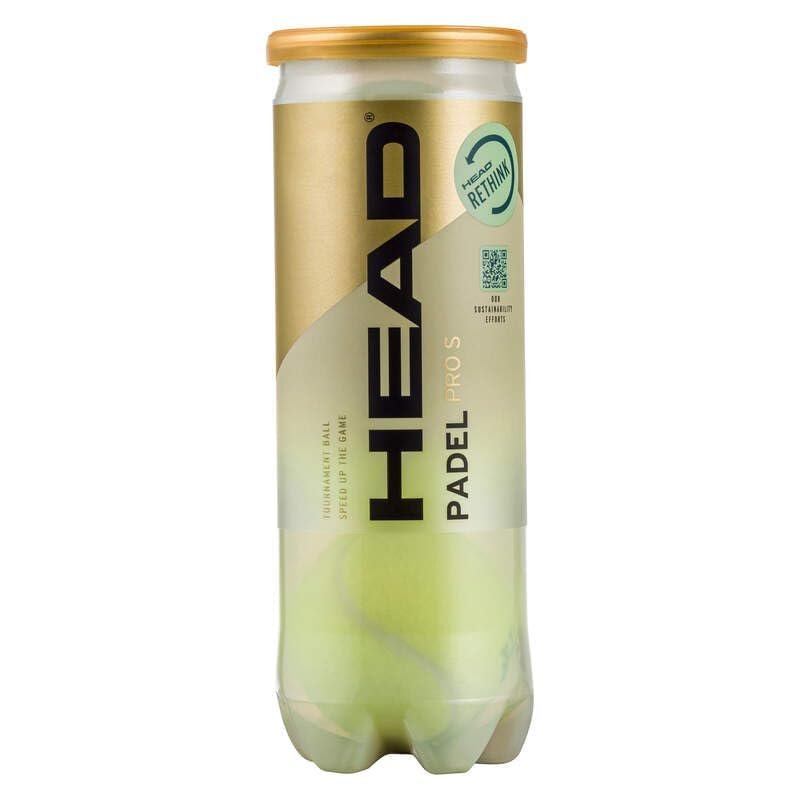
Why it wins: Padel-specific pressurisation and a consistent felt — the right bounce for padel courts, from a brand you’ll see at clubs everywhere. (~$7–$9 / tube)
- Correct padel pressurisation and bounce
- Pro S felt for consistent spin and control
- Durable enough for club and recreational play
- Available in multipacks for better value
3. Padel shoes — do you need them straight away?
Padel courts are usually artificial grass with a sand infill — a surface that behaves differently from hard courts, clay or indoor sports floors. General court shoes grip it adequately, but padel-specific outsoles are designed for the exact traction angles padel demands.
For your first few sessions, tennis or general court shoes are fine. Once you’re playing regularly, dedicated padel shoes make a real difference in lateral grip and stability. See the full best padel shoes guide for options across every budget, or the best ASICS padel shoes if you want a purpose-built starting point.
4. Padel bag — useful from week one
Padel bags are built to carry one or two rackets safely: the main compartment is padded and helps regulate temperature, which protects the racket core from heat damage (leaving a racket in a hot car is one of the fastest ways to ruin it). Most also hold shoes, a change of kit and water.
You don’t strictly need a padel-specific bag to start — anything that protects the face works — but rackets aren’t cheap, and a proper bag costs less than replacing a cracked one.
Pick: adidas Control 3.3 Padel Bag
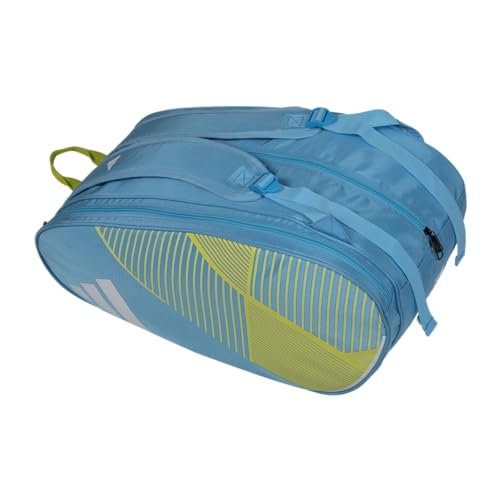
Why it wins: A well-made two-racket bag with thermal protection and room for the rest of your kit — adidas build quality at a sensible price. (~$45–$55)
- Holds two rackets in a padded compartment
- Thermal protection for temperature-sensitive cores
- Extra space for shoes and kit
- Durable adidas construction at mid-range price
5. Overgrip — cheap, and worth it
Padel rackets come with a base grip installed, but most regular players add an overgrip — a thin, absorbent tape wrapped over the original grip to improve feel and soak up sweat. You replace it every few sessions (or whenever it feels slippery) and a 3-pack costs under $10. A good pick is the Tourna Padel Grip 3-pack (~$8) — a dry-feel overgrip designed for padel and one of the most consistently reviewed on Amazon US.
What you don’t need straight away
- Padel glove: popular in some markets but uncommon in US club play — skip it until you know you want one.
- Protective eyewear: no rule requires it and most club players skip it, but the eye-injury risk is real. See padel glasses if you want to weigh it up.
- An elite racket: a $300+ racket won’t improve a beginner’s game and makes mis-hits more punishing. Start at $70–$100.
- Multiple rackets: one is plenty until you’re competing or the face shows real wear.
- Slow training balls: only useful inside structured coaching programmes, not general play.
If you’d prefer to grab it all at once, the best padel starter sets bundle a racket, balls and often a cover for around $100–$130 — usually cheaper than buying each piece separately.
Bottom Line
To start playing padel you need three things: a racket, padel balls and court shoes. The racket is the purchase that matters most — choose a round-head, low-balance beginner model and don’t overspend. A bag and an overgrip are smart additions once you’re playing regularly. Don’t put more than ~$150 into your first racket: if you play often you’ll outgrow a beginner frame within a year, and you’ll choose your second racket far more wisely after some court time.
Frequently Asked Questions about padel equipment
The essentials are a padel racket (sold separately, not strung like tennis), padel balls (lower pressure than tennis balls) and court shoes. A bag and an overgrip are useful additions but not mandatory for a first session.
No. Padel rackets are solid (no strings) with a different shape, weight distribution and a perforated face. A tennis racket cannot be used for padel.
Technically yes, but it plays wrong. Tennis balls are more pressurised and bounce higher than real padel. Always use padel-specific balls for an authentic game.
A solid beginner setup runs about $130–$200: racket (~$70–$100), balls (~$10) and an overgrip (~$8), with shoes extra. Starter bundles can bring the kit closer to $110–$130. You don’t need to spend more than that to enjoy the sport from day one.
Rackets come with a base grip and a wrist lanyard (wear it). They have no strings — the face is a solid perforated composite, so there’s nothing to restring like a tennis racket.

Patricia Nguyen is a former pickleball player who joined SimplePadel as a Content Writer in late 2022. She lives in Texas with her two dogs and is an avid fan of the sport. Her favorite player is Ale Galán, whom she believes to be the best defensive padel player that ever played the game.