Most Common Padel Injuries: Prevention, Recovery & When to See a Doctor

Padel is easier on the body than tennis, but it’s not injury-free. The rapid changes of direction, the walls forcing awkward body positions, and the volume of overhead shots all take a toll over time. Most padel injuries are preventable with warm-ups, proper technique, and the right gear – but the common ones still come up at every club.

The most common padel injuries are ankle sprains, tennis elbow (“padel elbow”), shoulder strains (especially from smashes and bandeja shots), knee injuries, lower back strain, and calf strains. Most are caused by poor warm-up, bad technique, or worn-out equipment (especially shoes). The good news is they’re almost all preventable with a proper 10-minute warm-up, decent padel shoes with a fishbone sole, and taking time to learn good shot mechanics.

This guide covers the seven most common padel injuries, their symptoms, how to prevent each one, realistic recovery timelines, and when you should see a doctor rather than keep playing through it.

What is a padel overgrip, and when should I change grip?

Ask any seasoned padel player what the most overlooked aspect of their game is, and you’ll hear the same answer time and again: grip care. You can own a top-of-the-line racket, nail your footwork, and read the game brilliantly — but if your overgrip is shot, you’re fighting against yourself on every swing. As padel explodes across the US, more players are picking up rackets for the first time, and understanding the overgrip is one of the first things that separates those who improve quickly from those who spin their wheels.

This guide covers everything you need to know: what a padel overgrip actually is, how it differs from a replacement grip, why you need one, when to swap it out, which type suits your game, and exactly how to apply it step by step.

X-Grip Padel vs. Hesacore: Which Is Better?

Great grips changes the entire padel game. You may not think much of it, but the wrong grip will throw you off guard, decrease power, and make you prone to error.

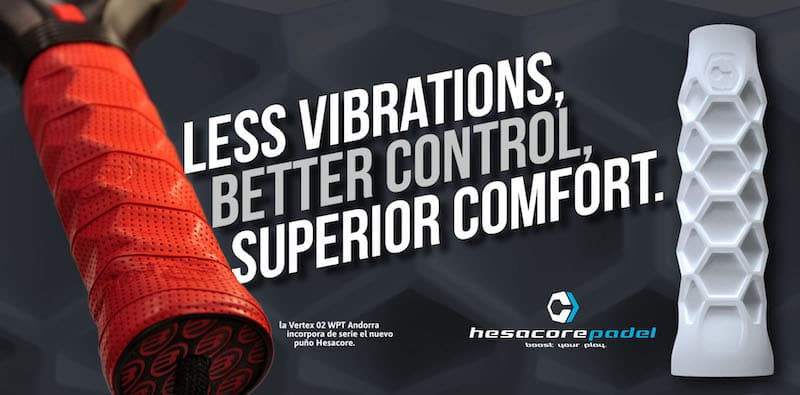
Whether you are an amateur or professional, using a grip is an added help for a better game. The most known ones are X-Grip and Hesacore grip. The question is, which one should you use?