
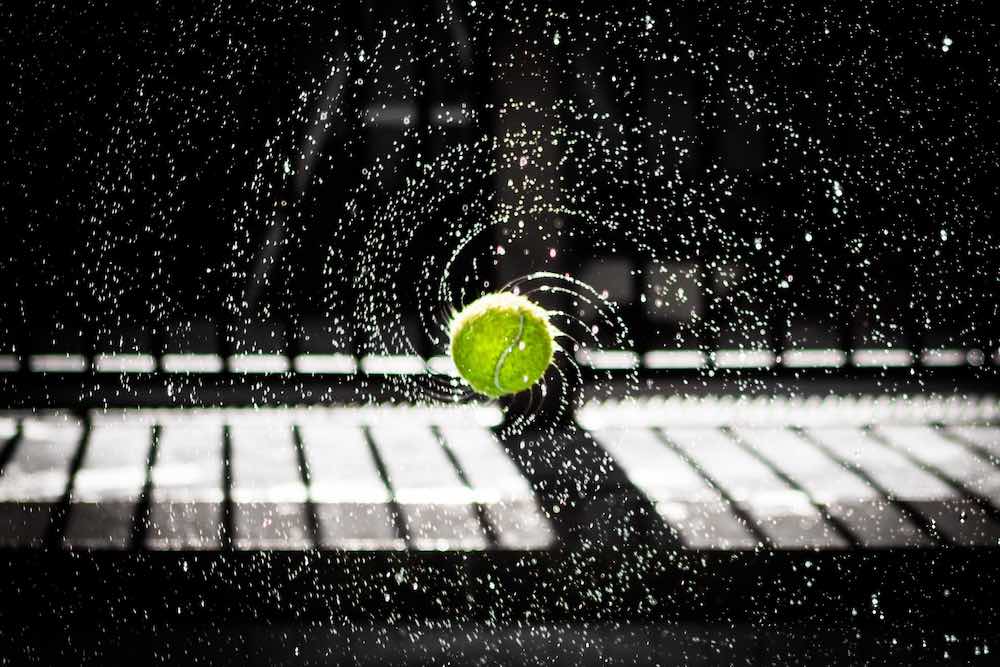
Padel Shot Effects: How to play with spin

Padel is one of the fastest-growing sports in the United States, and as more courts open up across the country, players are moving beyond the basics and asking the right questions: how do I actually control what the ball does? How do I make it skid through low, sit up awkwardly, or kick off the glass in a direction my opponent doesn’t expect? The answer is spin — or as padel players call it, shot effects. Once you understand how different spins interact with the ball, the racket, and the glass, your game makes a quantum leap.

Spin in padel isn’t just a tennis concept transplanted onto a smaller court. It works differently here because the glass walls change everything. A topspin shot that would bounce high and into the back of a tennis court behaves in a completely different way when it hits the back glass at chest height. Understanding these dynamics is what separates intermediate players from advanced ones.

Let’s look at the best ways to achieve a spin effect during a padel game. We’ll look at how to spin a ball coming to you without too much difficulty. We’ll see how the net position and ball speed affect which shot to use — and we’ll give you real drills to practice each type of spin.

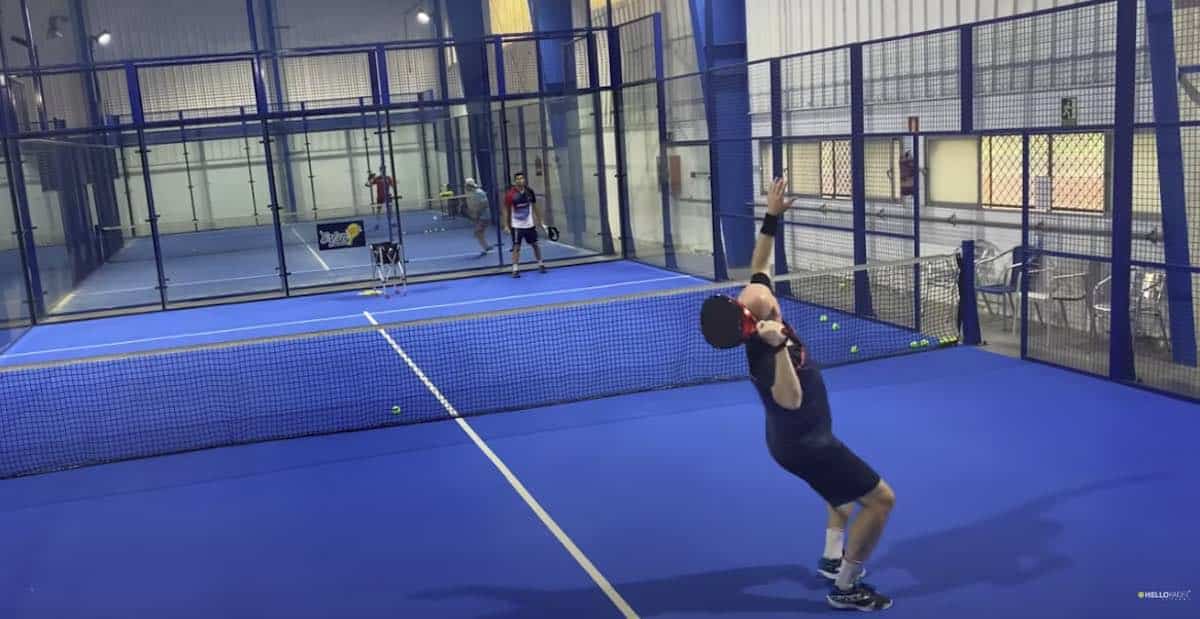
The Different Shots of Padel Explained

Padel is one of the fastest-growing sports in the United States right now — and for good reason. It’s social, strategic, and wildly fun. But if you want to hold your own on court, you need to understand the different padel shots and what each one actually does. Whether you’re picking up a racket for the first time at a new club in Miami or Austin, or you’ve been playing tennis for years and want to make the switch, this guide breaks down every padel shot you’ll need — from the basic serve to the tricky vibora.

Padel is different from tennis in one crucial way: the walls are in play. That means shots that would be out in tennis — balls bouncing off the back glass, off the side panels — are completely legal here. That single rule transforms every shot into a multi-dimensional decision. You’re not just hitting a ball over a net; you’re thinking about where it bounces, how it comes off the glass, and what angle it creates for your opponent.

Let’s go through every padel shot you need to know, how to execute it, and when to pull it out of your bag.

Padel Smash: How to Kick Smash Like a Pro

The kick smash is the most spectacular shot in padel — the only one that can definitively end a point even at the pro level. It’s also the most overhit shot at amateur level. Watch any club night anywhere and you’ll see beginners trying to murder lobs with flat smashes that bounce off the back glass straight back into their own chests. The kick smash is the answer to that. Done right, the ball clears the back glass entirely and rolls into the parking lot. Done wrong, you set yourself up for a counter that ends the point against you.

Most beginners get this shot wrong for one reason: they go for power instead of spin. They watch Galán launch a ball into row Z at Premier Padel Madrid and think the answer is a bigger swing. It isn’t. The kick smash is a topspin shot first and a power shot a distant second — the spin is what makes the ball bounce out of the cage, not the speed. If you’re new to padel itself and not just the kick smash, start with our guide to what is padel for the basics first.

This article is the un-watered-down version: how the shot actually works, when to use it, when not to, and the specific mistakes I see at every US club I’ve played at. No “comprehensive guide” filler.