
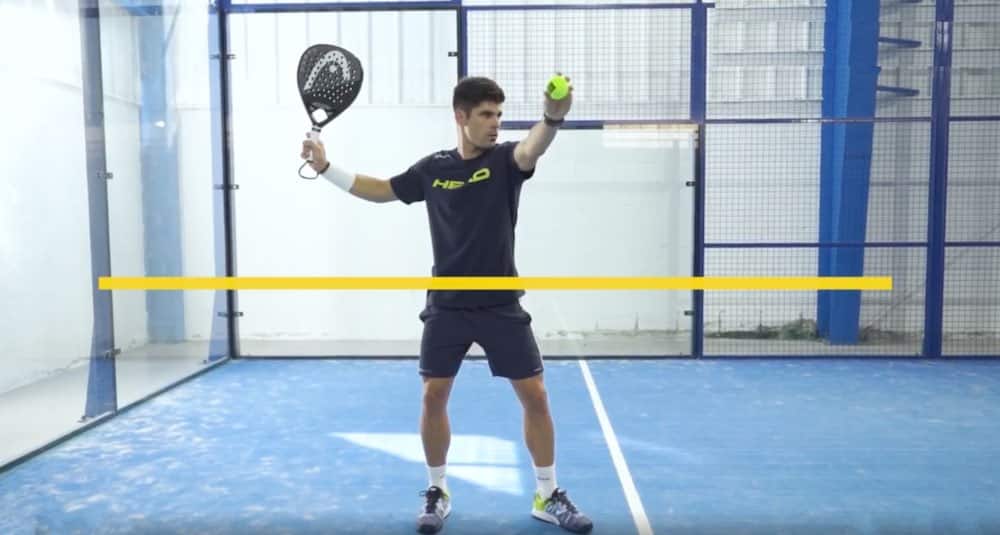
Ace in Padel: How to Hit One (Pro Strategies & Setups)

An ace in padel is rare. Much rarer than tennis. The serve is underhand, the receiving team starts in a balanced position, and the court is enclosed — there’s nowhere to hide a serve from a competent returner. At the pro level, true aces are rare enough that commentators name them. Watching Paquito Navarro hit a clean ace at Premier Padel Madrid 2024 (down the T, off the side glass) was a highlight of the entire week.

But aces ARE possible at amateur level — and your serve doesn’t need to be a weapon to win you free points. A well-placed serve that ends the rally on the third or fourth ball is functionally an ace’s cousin. This guide covers both: the rare, clean ace that ends the point on the serve itself, and the more achievable goal of using your serve as a setup that wins the point quickly.

If you’re new to padel itself and unfamiliar with how the underhand serve works at all, start with our guide to what is padel for the foundations.
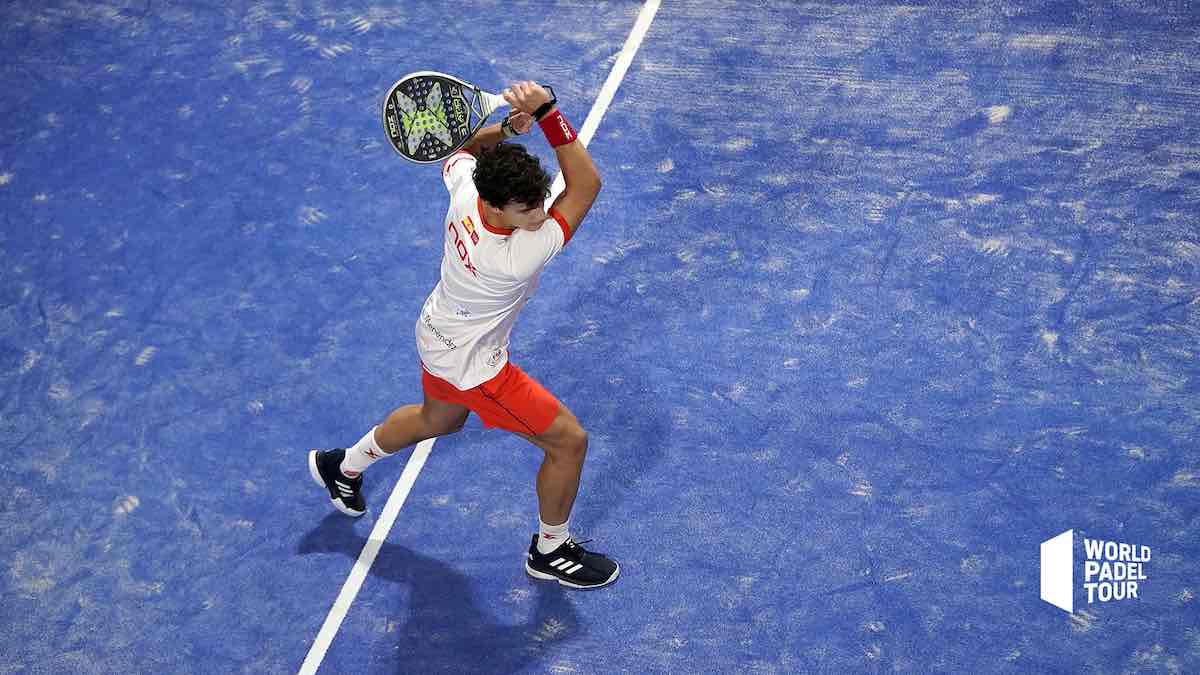
Padel Serve Rules: Complete Guide to Serving in Padel

The serve is the one shot in padel you always start a point with, and the one beginners get wrong most often. Unlike tennis, a padel serve has to be underarm, below the waist, bouncing off the floor first, and landing diagonally in the opponent’s service box. If any of those conditions slip, the serve is a fault.

A legal padel serve is hit underarm, struck below the waist (at or below 1.06 m from the ground under current FIP rules), after letting the ball bounce once on the server’s side of the court, and landed diagonally in the opponent’s service box on the first bounce. The server stands behind the service line, with at least one foot on the ground, and must not step on or over the line before contact. Each server gets two attempts per point. A ball that touches the net and lands in the service box is a let and is replayed.

This guide covers every padel serve rule you need to know: how to stand, what counts as a fault, when a let is called, how the tie-break rotation works, and the 2024 FIP rule changes that clarified the serve height. It also explains the two most common serve variations (underarm and backhand) and the foot-fault situations that catch every new player out.