
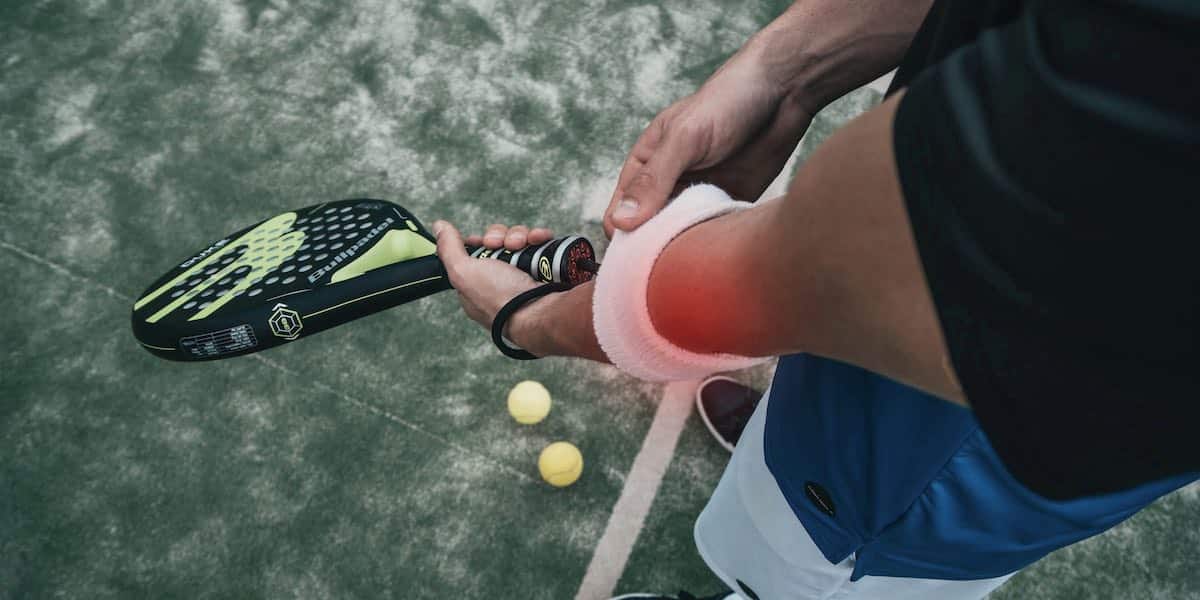
The 4 Best Padel Rackets for Tennis Elbow

If you’re dealing with tennis elbow (lateral epicondylitis) and you still want to play padel, the racket you choose can be the difference between aggravating the injury and giving your arm time to heal while you play. Most padel rackets are engineered for power. The right tennis-elbow-friendly racket is engineered for comfort.

We’ve researched padel rackets specifically suited to players with arm strain, mild tennis elbow, or general elbow sensitivity. The four picks below all share key arm-friendly DNA: soft EVA cores, vibration-absorbing technology, lightweight builds, and forgiving sweet spots. All are available on Amazon US. For the full picture across every level and brand, see our best padel rackets guide.
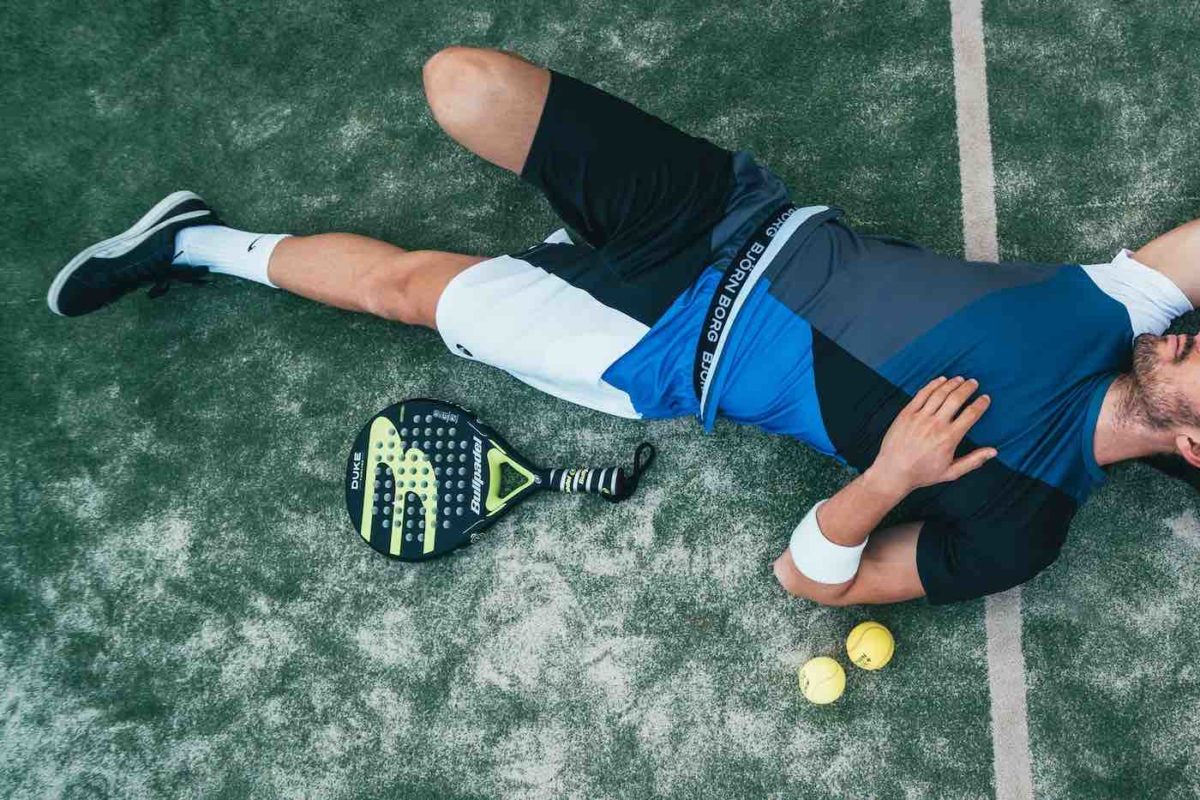
Most Common Padel Injuries: Prevention, Recovery & When to See a Doctor

Padel is easier on the body than tennis, but it’s not injury-free. The rapid changes of direction, the walls forcing awkward body positions, and the volume of overhead shots all take a toll over time. Most padel injuries are preventable with warm-ups, proper technique, and the right gear – but the common ones still come up at every club.

The most common padel injuries are ankle sprains, tennis elbow (“padel elbow”), shoulder strains (especially from smashes and bandeja shots), knee injuries, lower back strain, and calf strains. Most are caused by poor warm-up, bad technique, or worn-out equipment (especially shoes). The good news is they’re almost all preventable with a proper 10-minute warm-up, decent padel shoes with a fishbone sole, and taking time to learn good shot mechanics.

This guide covers the seven most common padel injuries, their symptoms, how to prevent each one, realistic recovery timelines, and when you should see a doctor rather than keep playing through it.